

As a collective landscape, the Northern Lakes of Italy seemed specifically designed as a palette for meetings and incentives. Meetings Today contributing writer Gary Singh spent a week near three of the lakes—Como, Garda and Maggiore—to survey the region.
Lake Como
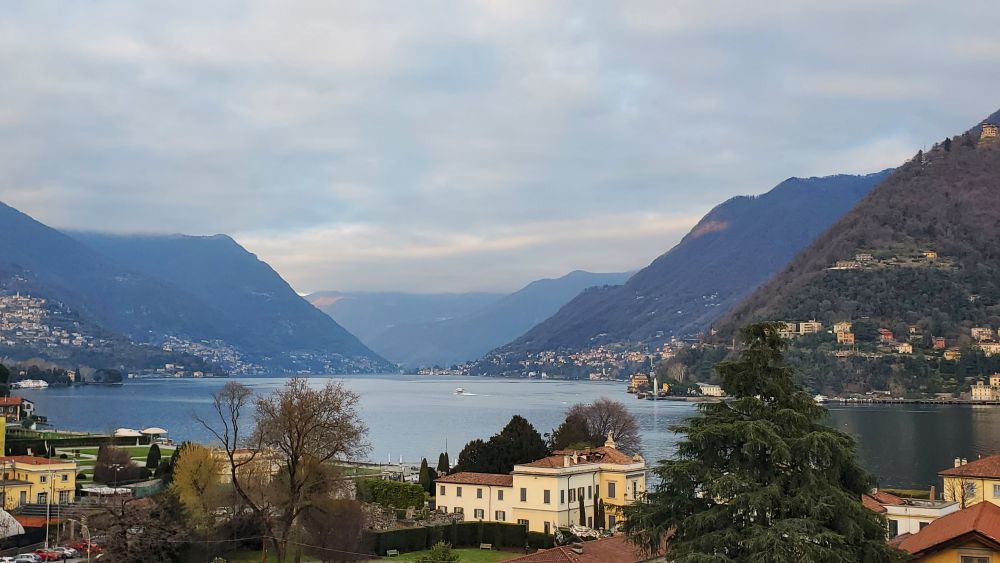
An upside-down Y-shaped body of water several hundred meters deep, Lake Como was not Venice, but it seemed destined to achieve similar popularity. Decades ago, Gianni Versace was one of the first celebrities to cheerlead for Lake Como’s potential. Then George Clooney bought his own villa on the water 20 years ago. During high season, a few hundred thousand now show up every weekend.
Located on the water itself, the historic restaurant Crotto dei Platani was founded in 1855. We even saw the original 19th-century trattoria building across the motorway. Today, the business license is the same one from 100 years ago. As we dined, Francesco Cavadini, the humble proprietor, said his parents bought the place from the original family in the 1970s.
“Thirty years ago, Lake Como was a depressed area with very few people around,” Cavadini said. “I went to school. There was great weather. But there was nothing to do.”
Cavadini learned kitchen duties with his parents, and at a young age, he made pasta with a machine.
“I was a kid, I had to play,” he said. “I had to do something. So, I did that.”
As we dined, he pointed to the white fish tartare with truffles, a dish he designed 30 years ago from trial and error.
“I invented that,” he said, without a shred of arrogance, offering similarly detailed stories behind the design of other dishes as well as the event spaces.
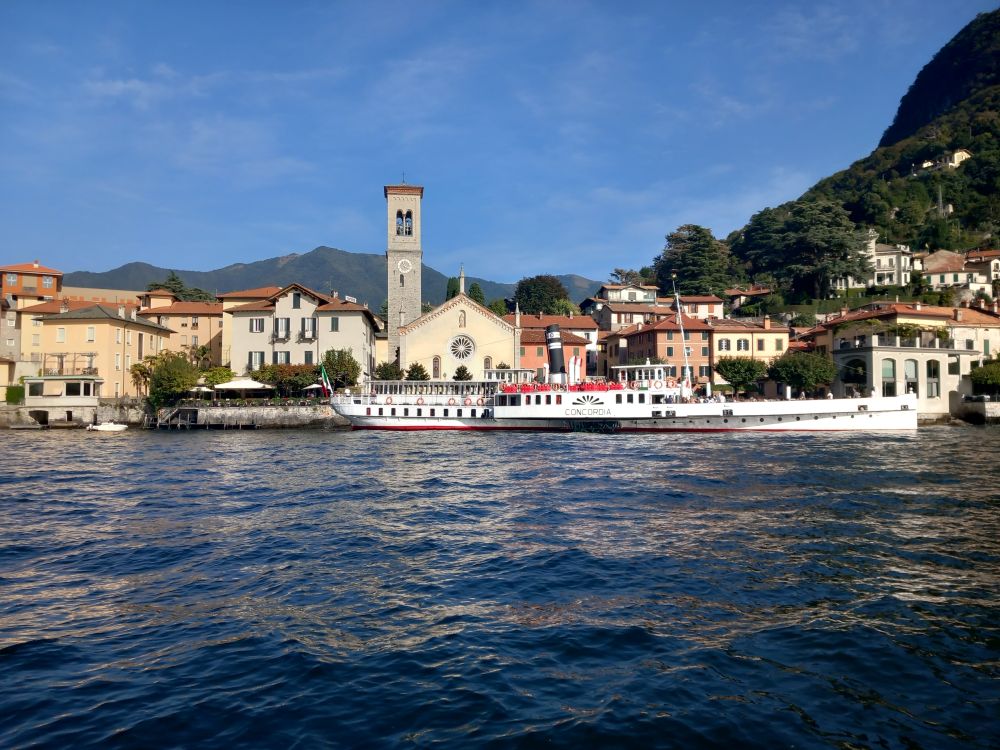
A high-end-yet-human place, Platani is available for all sorts of tailor-made business gatherings, private parties and exclusive events. There are even three boat docks in case anyone wants to arrive by water.
For planners who want a street-level experience of the old Como, with pedestrian alleys and shopping, Bottega Comacini, a cozy bistro inside the 19-room DBH Boutique Hotel across the walkway from the Duomo, provided just the right pit stop.
As we gathered for lunch, tour guide Monica Neroni pointed right out the window toward the Duomo, which seemed inches away. From our table, we could see the marble construction of the building, built centuries earlier.
[Related: Highlights from Tourism Australia’s Incentive Showcase and a Gold Coast Tour]
“That is white marble from the caves of Lake Como,” she said, motioning with her head toward the Duomo. “No Michaelangelo, no Donatello, no Leonardo, just local people. The Comacini, we say.”
DBH General Manager Umberto Butti then told us about new renovations at another place, the classic San Sottardo Hotel, opened in 1926 but shuttered since the 1980s.
“We hope to open in the end of this year, so next year will be 100 years from the first date it opened,” Butti explained, adding that the San Sottardo will be the only five-star hotel with all the services in the center of Como, flagged as a Radisson but under his management. “The idea is that it will be a base for something local, really local.”
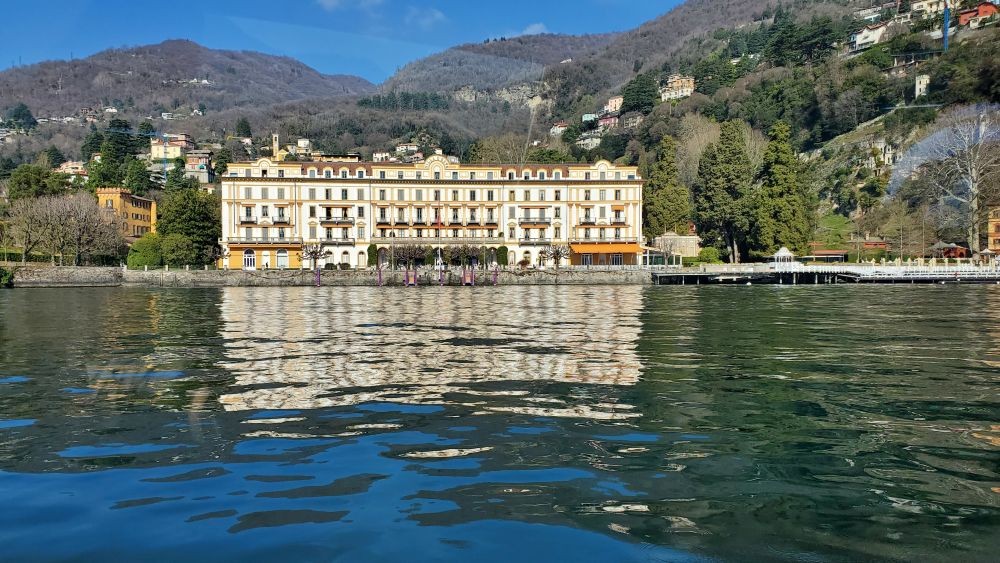
For meetings and conferences, the Hilton Lake Como is the standard. Preserving the facade of an old silk factory, Hilton built an entire business and leisure hotel from the ground up, offering money shots of the lake from the rooftop terrace restaurant, plus an expansive glass-walled lobby-level patio and also one of the best breakfast buffets of any Hilton we’d experienced. The whole complex did not look or feel like a chain property. In the patio, European architecture books and soft Italian furniture complimented display cases filled with the property’s own brands of gin and olive oil.
Various other hot spots surrounded Lake Como on all sides. Up a winding road above Bellagio, the charismatic, cheery celebrity chef Luigi Gandola greeted us at his legendary restaurant Salice Blu. Medals, awards, plates and all sorts of ephemera covered the walls. Gandola took over after his father, who ran the place until 2005.
“I’m 42 and I have 40 years’ experience in the kitchen,” he quipped.
At Salice Blu, Gandola’s wife Camilla is an olive oil sommelier and even his mom is still present all over the property, where any event is possible: Truffle hunting; sunset rowing after lunch; experiences with cows and cheesemaking; seven course tasting menus with garden components; and more.
“If you go on the website, you’ll be confused how many choices we have,” Gandola said.
Lake Garda
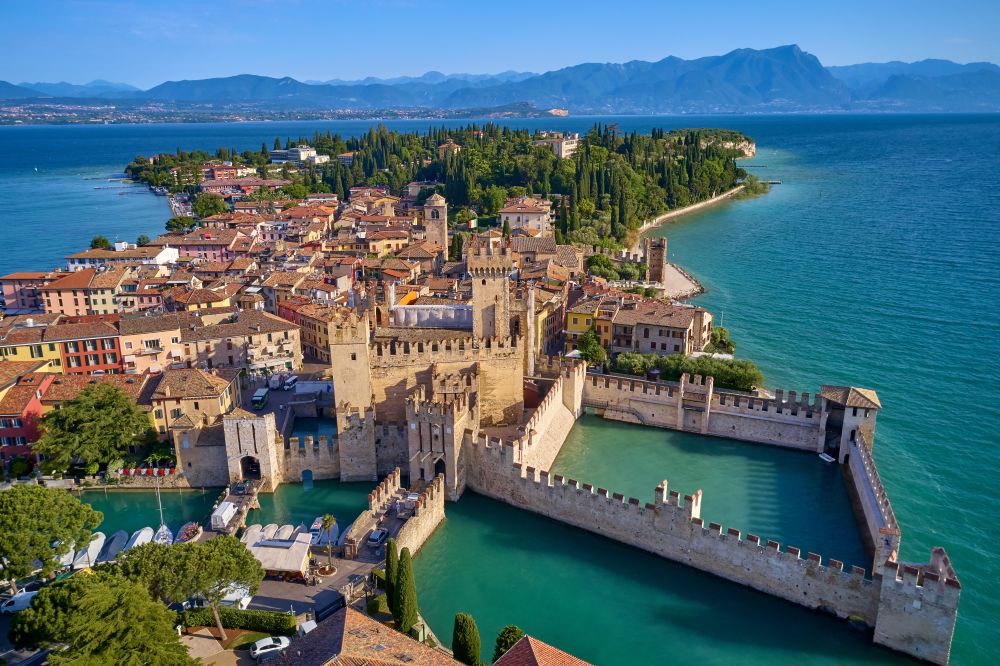
More gargantuan lakes exist besides Como. With tens of thousands of Germans and Austrians flocking to Lake Garda every year, their American counterparts are only just starting to show up. Hiking, cycling and water sports activities blossom all year round, at every price point.
A huge body of water, Garda provides numerous micro-palettes for any planner. Waterfront towns like Salò, Lazise, Bardolino or Peschiera del Garda all carry their own historical mystique, delivering the goods for both luxury shoppers and lakeside drifters.
For groups, we witnessed firsthand the possibilities for olive oil tasting at Madonna delle Vittore, in the Trentino region near the very top of the lake—the most northern area where olive trees could grow, a mountainous microclimate with tremendous potential for outdoorsy incentives.
[Related: Istanbul Straddles Two Continents—and Time Itself]
Later at Zeni1870, a winery operating in Bardolino since 1870, the vibrant namesake Federica Zeni—the fifth generation—livened up everyone’s spirits. Newly elected Bardolino Mayor Daniele Bertasi even showed up. For groups, the winery offers a museum-style section of 19th-century wine press equipment, a rooftop reception space overlooking the lake and a cellar area with a whimsical scent-smelling game. Groups from all over the world arrived for tours. It was peace through wine, one glass at a time.
“We have Russians, we have Ukrainians, we have Americans,” Zeni said. “The people are what matter.”
In nearby Valeggio sul Mincio, a town on the border between the regions of Veneto and Lombardy, the celebrated tortellini destination, Ristorante Alla Borsa, was celebrating 60 years of making pasta. Dozens of Michelin and similar stickers covered the glass doors. Inside, business groups occupied most of the place, and we learned that 44 pounds of tortellini emerged from Alla Borsa every day.
Lake Maggiore
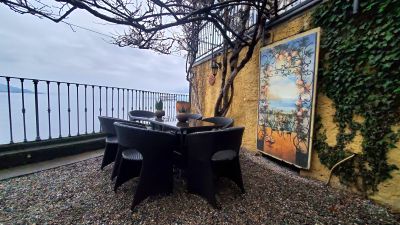
Lake Maggiore is a similarly huge body of water with tons of group activities, curling its way from Italy to Switzerland. The luxurious 28-room Hotel Villa Porta is part of an expansive 200-year-old complex on the lake, nestled in the tiny village of Colmegna, just a few miles from the border.
Julien Montagnini, Villa Porta’s F&B and supply chain manager, gave us a tour of the whole property, including a private beach area, two restaurants, intimate outdoor dining nooks and Limonaia—the ballroom and outdoor events operation.
“This year we’ll have 72 weddings,” Montagnini said. “But we also host a lot of business-to-business (B2B), banking groups, teambuilding and cooking classes where chefs show how to make fresh pasta.”
Villa Porta staged many themed music parties throughout the year, such as Chopin nights with a live piano player and Barber ofSeville parties that include music from the opera and attendees drinking Barbaresco from nearby Piedmont.
Planners would see virtually no difference between the Swiss side of Lake Maggiore and the Italian side. The landscape, people and language are the same.
Nevertheless, the incentive gods seemed to personally design each of the three lakes we navigated—Como, Garda and Maggiore—as palettes within a larger palette. The results were everywhere.