



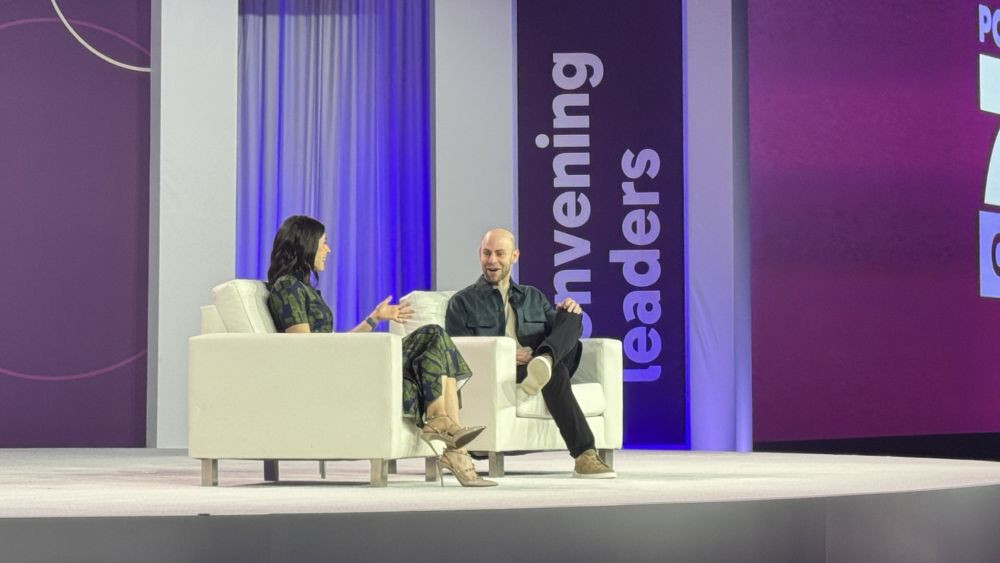
As someone who interviews leaders for a living—on stages, in boardrooms and on my podcast Dare to Interrupt—I’ve heard no shortage of leadership theories. Some are trendy. Some are recycled.
But some land so clearly that they reframe how you see yourself and your work almost instantly.
Adam Grant’s opening keynote at PCMA Convening Leaders 2026 did exactly that.
Rather than offering lofty platitudes about confidence or culture, the organizational psychologist, bestselling author and well-known TED speaker delivered research-backed insights that felt deeply personal, especially for those of us in meetings, events, hospitality and tourism. These are industries built on visibility, performance, teamwork and pressure, and we’re expected to lead boldly while making the impossible look effortless.
[Related: Check out Courtney Stanley's Dare to Interrupt podcast]
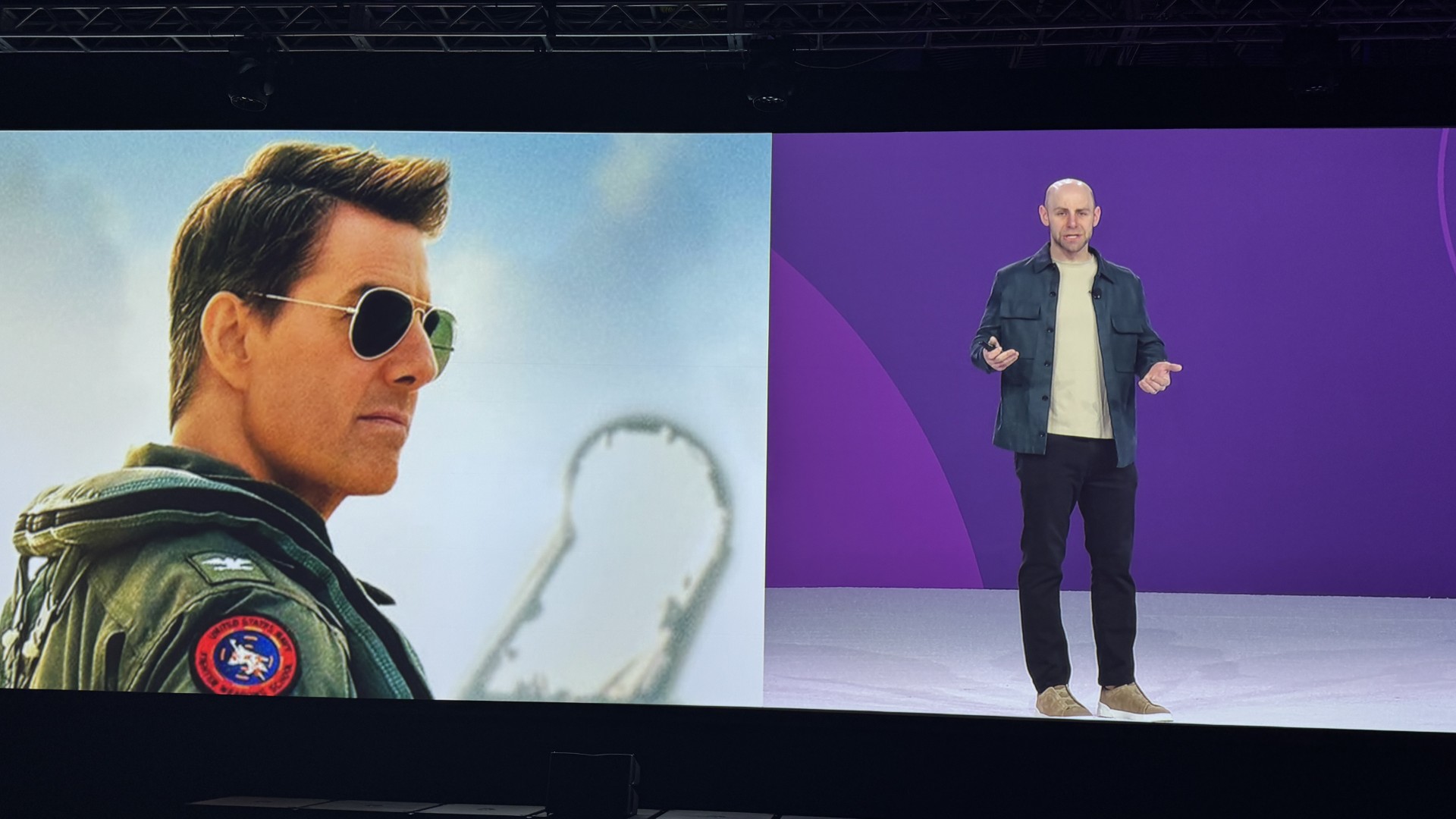
Below are five leadership lessons from Grant’s keynote that stayed with me—not as quotes to repost, but as ideas to practice.
1. Imposter Syndrome Is Often a Signal You’re Growing
Grant offered a more useful way to think about imposter syndrome; one that shifts it from a personal shortcoming to a signal of growth. The more frequently it shows up, the more likely it is that you’re pushing into unfamiliar, higher-stakes territory.
In our industry, growth often means walking into rooms where expectations are high and outcomes are public. Feeling like an imposter isn’t proof you don’t belong; it’s often evidence that you’re closing the gap between where you are and where you want to be. The real leadership work isn’t eliminating self-doubt; it’s refusing to linger in a distorted self-view when others tend to see you far more neutrally.
If the people around you believe in you, Grant suggests, that belief may be worth borrowing.
2. Study What You Do Well, and Turn Critics Into Coaches

One of the most practical insights Grant shared was the power of replaying what you’ve done well. Research shows that when people consistently review their own “highlight reel” at work, performance improves—even months later.
In an industry where post-event debriefs often focus on what went wrong, this is a meaningful shift. Watching your own best moments builds pattern recognition and confidence grounded in evidence, not ego.
Grant also offered a smarter way to engage with critics. Instead of asking for feedback—which can feel backward-looking and defensive—ask for advice: “What would you do differently if you were me?” Advice invites collaboration. It opens the door to learning.
Not every critic will shift, but some will move from attacking to coaching. And coaches, unlike cheerleaders, don’t just encourage; they see potential and help you develop it.
Related: Two Trailblazers Spark a Movement to Address and Combat Sexual Harassment in the Meetings Industry]
3. Confidence Comes After Action, Not Before
One of the most liberating reminders from the keynote was this: Confidence is rarely a prerequisite for action; it’s the result of it.
Too many leaders wait until they feel ready before raising their hand, pitching the idea or stepping into greater visibility. Grant flipped that script. Doing the thing is what builds confidence.
He also challenged our fixation on perfection. A “10,” he explained, represents excellence, not flawlessness. Instead of asking, “Is this perfect?” a better question is, “What’s one thing I can do to get closer to a 10?” Even more effective: Invite your leader to give you a 1-10 score, not for validation, but to recalibrate your own judgment and ground it in reality.
Leadership isn’t about getting it right every time. It’s about reliably getting better.
4. Culture Carriers Are the Most Underrated Leaders in the Room
One of the most resonant moments of Grant’s talk focused on “culture carriers,” the people who quietly shape how values and norms show up day to day.
In meetings, events, hospitality and tourism, these are often the people holding teams together behind the scenes. They notice when morale dips. They onboard others emotionally. They do their jobs and the invisible work of connection. And because of that, they’re also more likely to burn out.
Grant urged leaders to actively identify, protect and recognize culture carriers, ideally through peer-nominated rewards. Interestingly, culture carriers are often the ones submitting the most nominations themselves.
If your team feels cohesive, aligned and human, there’s likely a culture carrier making that possible.
5. Rituals Create Momentum, Especially When They Focus on Contribution
Finally, Grant made a compelling case for rituals over resolutions. Tiny, repeatable behaviors shape culture far more effectively than lofty goals announced once a year.
One idea that stood out was replacing the gratitude journal with a contribution journal. Instead of writing about what went well for you, ask: “What difference did I make for others today?” That subtle shift—from passive appreciation to active impact—can be incredibly motivating.
The same philosophy applies to teams. Grant advocated for hiring for agility over ability, rethinking traditional performance reviews in favor of self-evaluation and assessing leaders on how well they receive feedback. Practice matters. So does continuity. Research shows teams need time—often years together—to develop true rhythm and excellence.
A Final Thought
What stayed with me most from Adam Grant’s keynote wasn’t just the data, it was the permission: Permission to act before feeling confident. To rethink who we listen to. To recognize the people quietly shaping culture. And to redefine excellence as progress, not perfection.
In an industry built on moments, our greatest leadership advantage may be paying closer attention to the habits—and humans—that make those moments possible.