


As most business-event planners know, meetings are successful only when there is a coordinated team effort between the host organization and the host property.
However, good teamwork requires upfront preparation. Here are eight things that planners and hotel staff can do to make sure they are in sync during the planning and execution of a meeting.
1. Define Success and Establish Communication Frequency
If planners and event teams disagree on how they define success, misalignment occurs. Planners' success might involve satisfied and attentive attendees, while the event team might value smooth operations. Defining shared expectations ensures both sides are working toward the same goals.
From there, establish a regular pace of communication. Communicate to the property whether you prefer email summaries, frequent texts, twice-a-week calls or perhaps newsletter-style updates, and plan regular touchpoints to reevaluate the communication cadence. The property team should share news about staffing, changes of policy or facilities and provide critical information such as preferred vendors, menus and rooming lists in advance.
2. Explain the Group's Mission and History
All groups have their own history and priorities. Rather than building from the ground up or relying on assumptions, the property team needs to evaluate the group’s mission, past attendee activity, outlet usage, and traffic patterns to anticipate needs. At Gaylord Hotels, post-con reports capture this history and follow the group across the brand. Still, no two years are the same, and new context requires a fresh perspective from the planner for the next meeting.
3. Use Site Visits to Align People, Not Just Spaces
A site visit is about more than a ballroom walk-through; it’s a chance for planners to connect with the people who will bring their event to life. Pre-conference visits should go beyond the event team, introducing planners to the experts behind AV, security, culinary, front desk, and more. Both the hotel team and the planner bring important knowledge to the table, and each rely on the other for a smooth event. A successful site visit is a two-way conversation; properties should share what they already know to move the conversation along, but questions should come from both parties.
4. Address Gray Areas and Prepare Backups
The biggest pain points are often in the mundane details—signage placement, electrical needs, or load-in rules. Addressing them early prevents frustration. Properties and planners should also coordinate on contingency plans for weather, labor complications, or supply-chain disruptions, giving planners confidence that the team is prepared for any possible challenges.
[Related: More Best Practices Articles from Meetings Today]
5. Ask if There Are Cross-Department Weekly Meetings
Before any event begins, our hotel teams meet to ensure internal alignment. We hold cross-department meetings each week that bring leaders together from every corner of the hotel. Within these sessions, departments will review occupancy, anticipate attendee behavior, and fine-tune hotel operations. It’s how we stay one step ahead and ensure every detail behind the scenes supports a seamless experience for the group.
6. Ask for Consistent On-Site Staffing
Planners lose valuable time when they must repeat details to new contacts. Gaylord Rockies solves this with Teal Coats—on-site event liaisons who stay with a group from start to finish. Acting as translators between a planner’s goals and the hotel’s realities, teal coats provide quick clarity on what’s possible, feasible and at what cost, preventing small questions from becoming major frustrations.
7. Ask for Instant Communication Channels On-Site
When an event is in motion, planners don’t have time to send formal emails or chase down managers. At our property, planners, Teal Coats and production teams set up shared communication lines while hotel staff communicates via property-wide radios. This layered system ensures questions are answered quickly and solutions are implemented immediately so that events stay on schedule.
8. Take Notice Whether Property Leadership Checks In
When a GM or director makes time to stop by during an event, even for a couple of minutes, we know that planners notice. It’s a gesture to show planners they are prioritized and supported at the highest level.
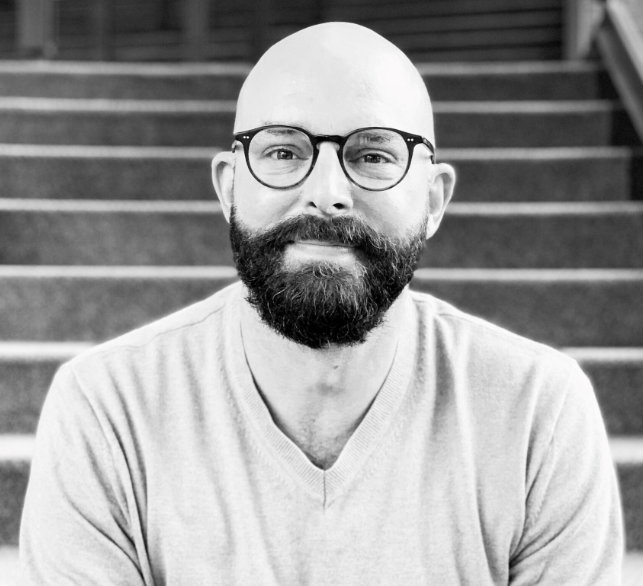
Ryan Lee is director of event planning at Gaylord Rockies Resort & Convention Center, overseeing incoming groups ranging in size from 10 to 10,000. Previously, Ryan managed multi-state events for up to 1,100 attendees at GoWest Credit Union Association. He also directed catering and event operations across multiple properties at Kimpton Hotels & Restaurants/IHG.