


When it comes to corporate-event planning, entertainment is often one of the last decisions made, but one of the main things attendees remember after an event.
The right act can reinforce your theme, energize a room and give people something to talk about long after they've gone home.
The wrong choice, though, can fall flat, missing the audience and feeling disconnected from everything else you've built into the event.
[Read More Best Practices Tips Articles]
The best entertainment decisions aren't made on instinct. They're made on information, timing and trust. Here are six key points for getting it right.
1. Start Earlier Than You Think You Need To
The most frequent regret we hear from planners is that they waited too long. Entertainment availability—particularly for specialty acts, themed experiences or performers with a strong regional following—closes off quickly. Starting a conversation with your entertainment consultant at least six months out gives you more options, more leverage and time to develop a truly customized proposal rather than working with whatever talent happens to be available.
While last-minute meeting bookings are happening more often, early engagement on an event’s entertainment aspect almost always produces better outcomes.
[Related: How to Create Authentic Destination Experiences at Receptions]
2. Know Your Audience, Not Just Your Executive Team
One common mistake we see is selecting entertainment based on personal preferences rather than the makeup of the full room. A CEO who loves classic rock or a vice president who wants a comedian they saw three years ago? These are simply starting points, not finish lines.
Think across your audience: age ranges, professional background, whether spouses or families are attending and the overall energy of the group. A room of creative professionals may respond very differently to the same entertainment act than a group of engineers or financial-services executives. The more honestly you can describe your audience to your consultant, the better equipped they'll be to find something that genuinely resonates.
3. Let the Theme Do More of the Work
Entertainment is one of the most powerful tools you have for bringing an event theme to life, but only when it's intentional. A themed show, a culturally relevant performer or an act that connects directly to your event's message can transform a standard evening into something cohesive and meaningful.
So, think how to make an impact beyond the performance itself. Costumed greeters, interactive elements or specialty experiences tied to the meeting’s theme can extend the entertainment across the full event environment. When the theme runs through every touchpoint, attendees feel like they're inside an experience rather than simply attending one.
4. Match the Format to the Moment
Not every event calls for a dance band, and not every dinner needs a headliner. The most effective entertainment choices are driven by the purpose of the moment they're filling.
A general session that takes up a good portion of the day might benefit from a comedian, mentalist or interactive illusionist who can shift energy quickly at certain intervals without a full production setup. A reception might be better served by a roaming performer or specialty experience station that encourages guests to move, interact and connect. And an awards dinner might build naturally toward a live-band finale.
Think about where entertainment can do more than entertain—where it can transition energy, spark conversation or deliver a moment of genuine surprise.
[Related: How to Plan the Perfect Holiday Corporate Event]
5. Understand the Full Cost Before You Commit
Entertainment budgeting often trips up planners not because they overspend, but because they underestimate. A talent fee is only one part of the picture. Production costs—sound, lighting, staging, backline, catering, travel and accommodations—can equal or exceed the talent cost itself, especially for nationally recognized acts with extensive production riders.
Working with a consultant who understands both sides of the equation is the most effective way to avoid surprises and ensure what you envision is what you can execute.
6. Be Open to What You Haven't Considered Before
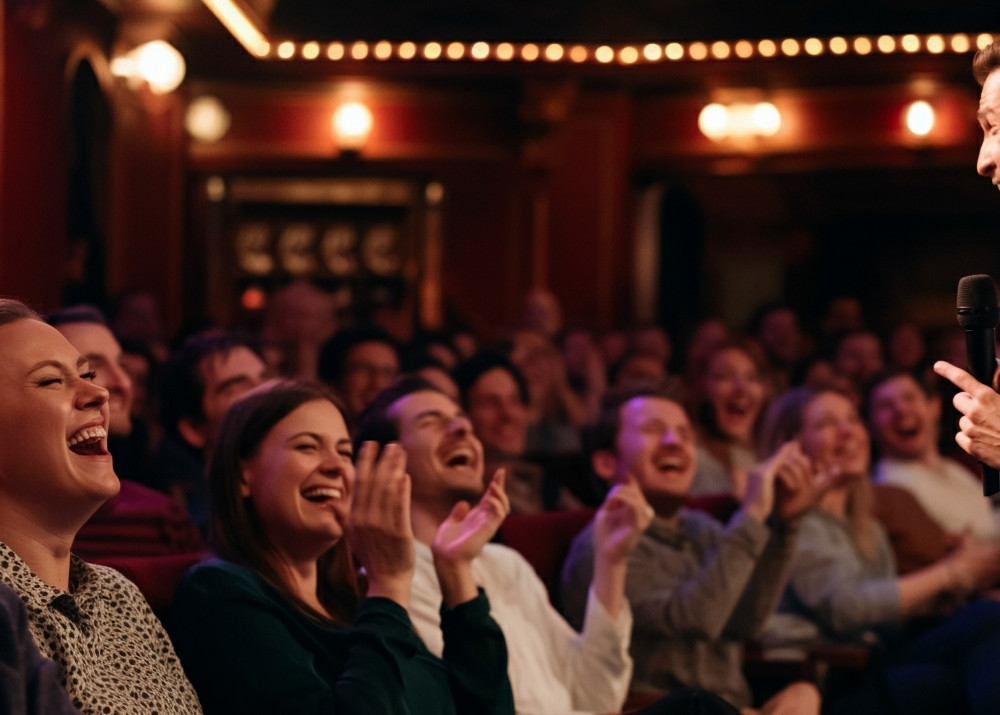
Some of the most memorable entertainment decisions happen when planners move past the familiar. Comedy is consistently underestimated. However, when matched to the right audience, it can be the highest-impact moment of an entire event. Interactive formats create participation that generic entertainment simply cannot match.
Your consultant's job isn't just to fulfill a request. Rather, it's to expand what you thought was possible. Share your goals, your audience, your theme and your budget—then let the expertise take you somewhere better than where you started.