

Likes, Comments and Leadership: Julius Solaris on Facing the Noise and Leading Boldly
Season 6, Episode 12
Guest: Julius Solaris, Founder, Boldpush
Julius Solaris, founder of Boldpush, joins host Courtney Stanley for an honest, vulnerable and perspective-shifting conversation about what it really means to lead in the spotlight. He opens up about navigating the realities of social media negativity, balancing advocacy with diplomacy and finding the resilience to show up boldly in an industry that’s constantly evolving.
Listen now:
Listen to more Dare to Interrupt podcasts: MeetingsToday.com/Dare-to-Interrupt.
Meet Our Guest:
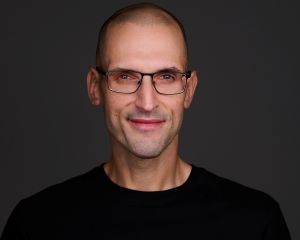
Julius Solaris is the founder of Boldpush. He works as a consultant with Fortune 500, technology and event companies on strategy and founded and sold two businesses: EventMB (now Skift Meetings); and Showthemes, a tech company. Approximately 10 million people read Julius' content in 2025, making him a Top Voice on LinkedIn.
Julius was inducted into the Events Industry Council Hall of Leaders in 2024, the highest recognition given to event industry leaders. He's also a 2025 XLIST Top Experience Maker and has been named as one of the most influential of the past 25 years by Bizbash. He is the recipient of the first Outstanding Contribution Award in event technology from the Event Technology Awards.
Julius has conducted some of the most groundbreaking research for the events industry. Over 300,000 event professionals have downloaded his analyses and reports. Julius has been a keynote for events in 18 countries and for over 250,000 attendees.
Connect With Julius:
LinkedIn
Instagram: @tojulius
X
Website
More About Our Host:
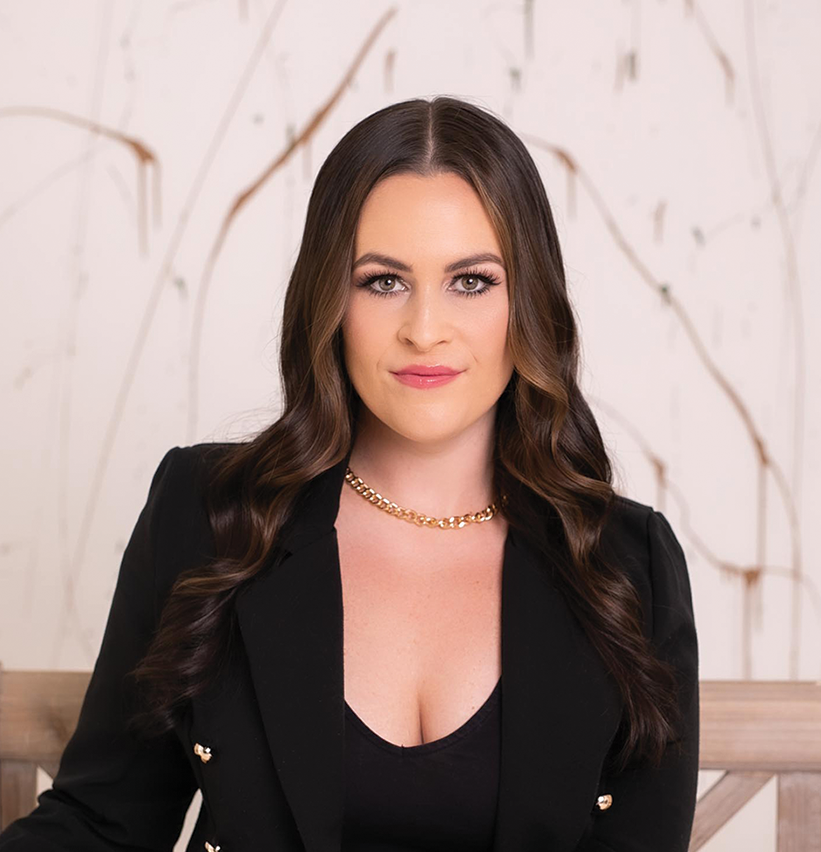
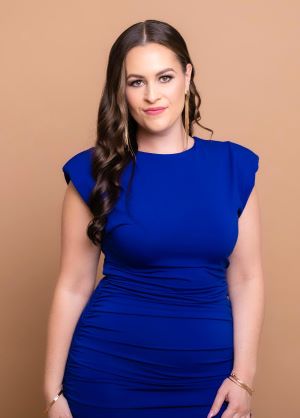 Courtney believes that transforming past experiences into impactful conversations through raw, authentic storytelling challenges the status quo, connects people from all walks of life and results in great change for the world.
Courtney is the youngest member to have ever been elected to Meeting Professionals International’s (MPI) International Board of Directors.
She is the recipient of Smart Meetings’ Entrepreneur Award, MeetingsNet’s Changemaker Award, the Association for Women in Events (AWE) Disruptor Award, the MPI Chairman’s Award and MPI RISE Award.
She was also named Collaborate and Connect Magazine’s 40 under 40 and a Meetings Today Trendsetter.
Recognized as one of the event industry’s most impactful change-makers, Courtney serves on the Events Industry Sexual Harassment Task Force, AWE’s Board of Directors, MPI’s Women’s Advisory Board, is a Meetings Mean Business Ambassador and is the co-founder of the award-winning movement, #MeetingsToo.
Courtney was named as a 2020 Meetings Trendsetter by Meetings Today.
Connect With Courtney:
Website
LinkedIn
Instagram: @courtneyonstage
Twitter: @courtneyonstage
Facebook
Transcript:
Editors note: The following transcription was facilitated by AI program Otter.ai and proofed by our editors. Although it is very accurate, there inevitably will be some mistakes, so please consider that when reading. Thank you.
Courtney Stanley
Welcome back to Dare to Interrupt, the podcast that dives deep into the personal and professional stories of leaders reshaping the events, hospitality and tourism industry. I'm your host, Courtney Stanley, and today's episode is one you'll want to listen to closely because it's a special one.
Once a year we feature a male perspective on the show--someone whose leadership, advocacy and influence truly move the industry forward. And this year, that person is Julius Solaris.
Julius, founder of Boldpush, is a name nearly everyone in the event world recognizes, but very few truly know the human behind the work as a strategist, researcher and entrepreneur who has built and sold multiple companies, shaped the thinking of hundreds of thousands of professionals and earned honors like the induction into the event Industry Council Hall of Leaders.
Julius’ impact on this industry is undeniable, and today we pull back the curtain in this conversation, Julius opens up about what it really takes to stand in the public eye, including navigating social media negativity and balancing advocacy with diplomacy, as well as his candid thoughts on what the event industry can be doing better to move forward if you care about the future of the indus-try and the courage it takes to challenge it, this episode will speak directly to you.
Let's dive in. Welcome to the show. Julius, how are you?
Julius Solaris
I'm good, Courtney, and thank you for having me. It's such a pleasure and an honor to be here with you. So yeah, excited to kick this off. I'm good. I'm enjoying the closing. I don't know when this is going to go out, but it's the closing of the year, so I'm excited to wrap that up and chill for a little bit.
Courtney Stanley
Hopefully. Do you have any holiday plans?
Julius Solaris
No, I'm just going to be here. I've been traveling quite a lot, so honestly, I don't want to travel more, so I'll stay here. I feel like a lot of people in the events industry kind of choose, because we're always out and about.
Courtney Stanley
I definitely do, yeah, same, let's just sit, let's be home for a minute. That sounds great, too. Okay, how do you typically unwind? Because you are a busy guy. We see you at all of the major industry events. You're doing things outside of the industry, too, which are really special. How do you just, how do you chill? What does that look like for you?
Julius Solaris
Yeah. I mean, we're here, you know, obviously follow what you do and the podcast as well. We're here with sort of honest, truth and transparency. I don't unwind. Courtney, I haven't been able to unwind properly in the past three years. I feel it's part of a combination of being in this industry and running a business, starting a business in a current environment, business of one.
And so, it is extremely difficult for me to get completely off time, you know, where I can literally just, yeah, chill. I did have a couple of few days during Thanksgiving that was helpful, when everybody else is unwinding. So, it was like, if that dies down, it's good. But yeah, if I, if I do that, I just go to the gym and just work out.
I try with like, mixed results, just try to do that and watch sports. I'm a big soccer fan, so I do watch a lot of that. I do watch a lot of my teams. I follow a lot of YouTube creators. Now that's the TV that I watch. I subscribe to Youtube Premium and I watch a lot of my teams, sort of independent creators that just go after any match, like they spend an hour and a half talking about what happened in the match.
So, comforting is like listening to a podcast, right? Just listening to someone, it's almost like you're sharing a moment with someone, even if you're not,
Courtney Stanley
Who's your team?
Julius Solaris
My team is AC Milan. I mean, you know, it's we have the captain of [team] America. I was like giving us a lot of satisfaction these years the American Men's National Team captain, Chris Pulisic, is our top player right now. So, we come from a lot of pain in the past two, three years. It's like, it's always like, always also like, you make a choice to go for that pain of like, losing and like, yeah, it's almost like, cathartic, and it's. So I like that.
Courtney Stanley
Okay, I love that. Well, I'm not, not the biggest soccer fan. I do enjoy watching the World Cup and the Euro Cup and things like that, but I am a Detroit Lions fan, and so I do understand quite a bit about pain and then, oh my god, having a great run.
Julius Solaris
So yeah, like, you know, that's gonna be a big one in 26 right? With FIFA World Cup coming to the US. So, yeah, if Italy is able to qualify, which is obviously the team I support, yeah, we haven't been able for the past two editions, so my son hasn't been able to watch any Italian World Cup ever, which is mind blowing for us. It's almost like, you know, it's like USA not playing basketball at the Olympics. It's just like not happening, right?
Courtney Stanley
Yeah. How old was your son?
Julius Solaris
He's 14.
Courtney Stanley
Wow. Do you have other kids too? I didn't even know you had a son.
Julius Solaris
I don't talk about that a lot online. You know, I don't share a lot of family and stuff. Yeah, it's good. It's, he's a swimmer, as a competitive swimmer, so, which is interesting as well, right? I got to learn a lot about, you know, the volunteer driven sports in America, which is incredible, like every twice a month, all the hundreds of people come together, a complete volunteer driven effort to bring these kids and get them to swim, they officiate, they organize, they put up, like, you know, store, they raise money. It's just crazy. That side of events is just like the sports events, like it's organized here in the US. It's incredible.
And so, yeah, my first job is driving my son to swim meets and stuff, and then I do the event stuff. Wow.
Courtney Stanley
Okay, is there? What is the reason behind what it sounds like is your intention to maybe keep family offline.
Julius Solaris
Yeah, listen, I mean, I made a conscious decision when I started. I've been, you know, you know this, we've been around for a while, yeah, you know? And I started with social media in 2006 so, you know, it's been almost 20 years now. And so I feel that, you know, it's for me. This is not, you know, virtue signaling by any means, or like saying this is right and whatever other people do is wrong. It's just me.
I feel that whenever you give pieces of your life away, it's a vicious cycle, like you feel, especially when you're like, you pack that with your business. You have to keep on giving away and giving away, and it's and sometimes, you know, also exposing parts of your family and so forth that are not necessarily willing to be there. They don't have the even conscience to make a decision to be there. I feel like it has to be their choice. Has to be their decision.
And so also, yeah, again, you know, I already have a lot of haters and drama just talking about business, if I bring my family into that, could be extremely disruptive, and on a mental health perspective, incredibly tough to deal with.
Courtney Stanley
Yeah, no, that completely makes sense. And I want to talk about that. Your comment about having haters, and, you know, there being drama, and so, of course, I know it comes with the territory, right. Like, you are quite a big success in our space, so I personally admire and love you. But of course, I'm sure there are people who don't feel the same way. Know what I mean?
Can you give me some examples of what type of shade you've received over the years? Like, what does that look like?
Julius Solaris
I just posted about that last week. There's not a lot of people that actually like, come and say it out loud. But like, have a lot of friends like you in the industry that you know come to me and say, ‘Oh, you know, they're saying this. They're doing this.’ So, there's a lot of stuff in the back, and then there's, like, actual comments on LinkedIn. I've been essentially questioned.
I have no non-linear path in the industry. I came from talking about the industry. Came from creating content about the industry. And so, for the first part of my career, the fact that I was writing about events without working in events directly, has been a matter of discussion for a lot of people. Despite the fact I was working in events. I had experience in events. I was doing research in events, and so I had a lot of different points of view without never, sort of asking for the right to say or like, you know, the making the assumption that I was right on anything.
I was interviewing a lot of people. I was reviewing a lot of events. So, I've always had that perspective. But like, you know, my experience in events, it's always been an issue. And then the past four or five years, you know, working directly with events, with event technology companies, even that hasn't been enough, because it wasn't enough, good enough companies. People questioning, yeah, but fortune 500 is a big list. What kind of companies in Fortune 500 in the comments like you're making stuff up. You're not qualified to speak about event technology. I don't think you understand events that well. I don't think you understand event strategy. I don't think you understand event marketing.
I can go on and on. I've had a lot, a lot through the years. I mean, it's just part of nothing nasty or anything. Yeah, crazy, it’s just people questioning my professional background and where I come from, and how I come up with stuff, and so, yeah, there's been a lot of that.
Courtney Stanley
How does that affect you?
Julius Solaris
It is difficult when there's other elements going… I think it's more difficult when it comes from industry friends. So, there's a lot of industry friends that, and I'm here quoting here for people listening, obviously, that have done a lot of that, people that hug you and like, ‘Oh, Julius, how are you? Oh, my God, I'm so amazing. What you're doing for the industry and what you're putting out…’ just to hear, like, literally on the side, from someone else saying, you know, these people are saying behind your back, that experience has been almost shocking to me, because I feel that, you know, we shared a lot of these years with so many people that have been there for many, many years, and we meet every time at these events, and when I hug someone, I truly mean it.
I truly mean someone, you know, what you're doing. I mean, maybe I'm not the best to keep in touch. I'm not the best to keep up with everything someone else is doing, because I'm literally not even having the time to breathe. But yeah, I really mean that conversation, that moment, with everybody, and sometimes in the industry I've seen also with people like poaching, trying to poach my people, you know, trying to hire them on the side, you know, these type of things from very well established industry champions that's been massive, as well as for many, many years and still to date.
You know, true sort of ostracism is that the word that you use, like, you know, being sort of a persona non grata, sort of blacklist of many associations, you know, don't want me to be around, like they want me to stay as far, you know.
If you think about it, I spoke in 30 countries all over the world, hundreds of events. I never spoke at a main event for the biggest two associations. Why do you think that is? You should ask them, not me. I speak at a lot of local chapters whenever there's volunteer, and this is not, by the way, by any means, they feel that I'm not a fit. But like, you know, you know all it is, it's just like, it doesn't click, period.
I feel like I've been annoying to a lot of them for many, many years. I've been just like, especially in the past three years, as I'm independent, and I just, whenever do my thing without any attachment of sorts, I say it as it is. I think, like, associations did an extremely poor job of protecting us during Covid. I'm not forgetting that I put it up again and again whenever there's a conversation. I think that conversation doesn't go well with a lot of them, because they feel they have and I feel they're not.
And so I think we have a basic disagreement at the bottom of it.
But, you know, I feel like a lot of the industry is resistant to that type of conversation, which I don't mean it. I don't mean as in a disruptive way, because I've been disruptive in the past. I realized that, and sometimes I've been too much, sometimes I've been too out there... I've realized that, you know, I have to chill. Sometimes I have to. Things are not black and white. You have to, you know, find a balance.
But we never had those conversations, and I see a lot of people in pain constantly. Hundreds of messages on LinkedIn, on the comments, direct messages of people that say, I'm out of work. I don't know what to do. I've been looking for a job for two years. I feel like there's no one looking out for us. Thank you for what you do in the industry.
I'm like, I'm. Not here. Like, I'm not the person to do this. What are these people doing? Why there's so much concentration on commercial side of things, instead of, I've been called like, to focus on commercial side of things when I run a business of one, when on the other end, we've seen a lot of different things.
So, yeah, that's, that's kind of like the gist of it, I believe, without being incendiary, I mean, oh, my God, I'm digging a hole from No,
Courtney Stanley
you're definitely not.
Julius Solaris
No, but What? What? Because I so you and I have known each other for a long time now. I mean, I think at least a decade. You were a baby when I met you, yeah, yeah.
Courtney Stanley
You watched me grown up, grow up in this industry.
Julius Solaris
You really have, I mean it from an age perspective. I don't want people to age us.
Courtney Stanley
No, we're both fresh. We're both still quite young, quite young, still rocking. Yeah, for sure, there's a long pathway ahead of us in this industry and outside of this industry, too. But one thing that I have always really respected about you is your decision to be candid and to be truthful and to be outspoken and to advocate for different parts of the industry, depending on what the industry is going through at that time. How have you been able to navigate that level of advocacy with still being somewhat diplomatic in running a business and having fruitful relationships.
Julius Solaris
It's been interesting, right? How you know, from on the one end, I've always worked mostly with event technology companies as supporters of my content, right, from a sponsorship perspective. And honestly, tech companies don't care that much about all that conversation. They’re just in for, like, something innovative. They want to see the industry change as well. Because they're frustrated. They've been frustrated.
And like, you know, I've been hated by some event technology companies, because I've been direct and honest with them as well, right? You know, it's not that I've held back. There's many CEOs that, there's many companies that don't even, you know, talk to me. They don't want nothing to do with me from an event tech perspective. So it's not that there hasn't happened, but like, I think in that pool, there's way more people that think that way, but also like I didn't, I never made it an ideology, ideological sort of standpoint of like, I have to be the voice of disruption, of the, I don't feel that way.
I feel more like I feel the pain of the people that share these faiths. So it's comes from empathy with a lot of, you know, things that happen in the background that a lot of people don't see, the quantity of the messages, direct messages, emails that I got, and I always got, even during covid, right during covid, I remember, you know, I was getting emails from people saying, tell us what we should do here, because we don't know what to do, and we're losing our business and, like, we have nothing, we don't know where to go, and so we're doing events where, like, 12,000 people registered, like crazy stuff. But I've always liked being the catalyst of that voice, which has always been kind of left out because they weren't good enough to be hosted buyers. They weren't good enough to be influential planners or like Mega head of events, designing stuff.
But the core of the events industry, the core of people moving things and showing up and losing their lives, you know, burning out, you know, losing their businesses, being completely left devastated with trauma because of what we went through the past five years, and even before then, you know, 2008 2009, so I've always been exposed to that I can just like, sit still on that like, you really have to be like, you know, made of stone, in a sense, to just like, have, you know, this volume of messages and just do nothing about it. I feel like, you know, a lot of the time I try to be a conduit of that.
And again, at the beginning, I was just enraged. Now it's more like, Okay, this is like, certain things that need to be pulled like, there's certain ways that we look need to look at problems, because this, these are recurring. They're not new. And so I know that when people are like, saying, This is what is happening, those are the buttons that I need to push without insulting or upsetting anyone.
But at the same time saying the things that need to be said. I see a lot of people that see my examples, but they go out with way too out their attacks. Those are not good, because it's not like the people in associations are bad people that are like, greedy, like, you know, it's not that they're not trying to do things. They are. They have their own issues, their own concerns and stuff you.
So, it's just like it's complex, and we need to work it out together. On one end, by saying things that we haven't said for so many years, and on the other end also being understanding that things are not as easy, as straightforward as we like to think.
Courtney Stanley
What do you what do you think it is in the industry right now that needs to change the most. Where, where are we going wrong?
Julius Solaris
I don't think we're going wrong, per se. I think like we're in a good direction. I think we're finally seeing a lot of change that we've asked for so many years. Like, right? If you look at the tech side of things, if you look also at the event design, you know, side effects, I think, like the generational change that has happened in past three, four years in the industry post covid is accelerating a lot of that change.
So it's exciting time to be in the industry, because either you react to that change by doing something, or you're like, literally, your event is going on there. Like, if I have to look at all my clients the past three years that I've worked with, they came with like that. Need to do something about a declining environment or, like some challenges that they've never faced before. So it's an exciting time to be there, but I feel at the same time, we really need to protect, protect our people. And I'm looking specifically at the more senior people that have dedicated 10, 15, 20 years of their lives to this industry. And that, you know, I don't think we learned the lesson well during Covid In terms of protecting the industry, making sure that the case for business events is out there, making sure that we have boundaries in terms of who can call themselves an event planner or event professional, because everybody seems to be one, especially now, and so I don't think there are clear boundaries in terms of what that means and what is a career progression to attract more younger people to make a choice about working in events.
Seems like you still happen to be in events, still kind of like, like it for the wrong reasons, like you want to get in because you see a lifestyle that probably will happen for the first two, three years, but by year 10, you got to be completely burned out by it. So a career progression as an independent meeting planner, whatever, but also as a corporate event planner, as an event marketer, I feel like within companies, there's zero being done, in that sense, to codify and certify who is a person that understands marketing and events and is able to do that within a corporate environment. I feel that is the one of the most exciting growth path for the industry, and the one that is not being overlooked right now.
Courtney Stanley
Yeah, I find myself nodding along quite heavily to your statement about the excitement of the lifestyle, the industry, the travel, the big events in the first few years, and then after a decade, you're just completely fried. And that's, I feel like, that's where I landed as well.
You know, it's been 15 years since I entered the industry, and I came into the industry because of those really amazing opportunities to travel, to meet people, and it's been amazing. Don't get me wrong, it's been, I wouldn't change any of the beautiful gifts and benefits that come with this space.
But it does come at a cost. It does come with fatigue and burnout, and like we were talking about in the very beginning, you have a break and you just, you just want to be home. Like you just need to sit for a minute.
Julius Solaris
You do. You truly do. And like, you know, the inability to sort of, yeah. I mean, whenever I post, you know, gets me a little bit mad and upset, you know, because whenever I post about, you know, these memes or whatever, these funny things that you need to, unfortunately post on LinkedIn, otherwise you lose all of your algorithm. And when you're posting something meaningful, three people are going to see it.
And so for me, relying on like far engaging content is a means to get into the attention of people so that they can see the content that matters. This is something that people need to understand. I hate to put out, Oh, you're an event planner when you know, it's just dries me up inside. But unfortunately, this is like, what people are reacting to when I see the comments are like, oh, people saying, yeah, yeah. I feel that. I feel that when you say, like, you know, oh, you've done a million changes, and the bus shows up because they had a shower thought, and they want to change the whole event.
You know, I see like, you know, the fun part of it, let's say like me, too. I feel it. I feel part of this. I've seen this, but also the sadness of it, of people that are like complete, always disrespected, always treated as like, subpar, like some sort of below the level type of business professional that it's kind of like more of a, you know, wedding planner on steroids, of sorts, you know, with all the due respect, with weddings, but, yeah, they're not business events, right? So there's always this, like confusion about mixing consumer and business together, parties, weddings with corporate and you know the fact that the industry, though there's a big part of the industry, also enjoying that part, enjoying the party part of business events, that scares me, because I've seen so many cycles, and you see, after five years, how they get kicked out constantly, of the industry because they haven't been able to have a business case. They haven't been able to be, you know, focused on doing business, and this is what business events are about.
I come across as dry and sort of ROI oriented and less human in some cases, but that comes out of concern a lot, because I see a lot of people that shift the conversation on other topics that are known business. I don't want to pick on one. Otherwise, you know, the person that wrote that book or that thing is going to come back to me and say, why you're saying this.
But like, I want to say that, you know, if we don't have business first mindset in business events. What are we doing? You know, that's a problem that I feel right now today, especially in a lot of people that I see out of work today, they lack the core skill that's something that has to be said because they go back in their LinkedIn posts and because they write to me and I go back, and they're like, all about was amazing. It was joyous. It was fantastic, with an incredible time, and now you're out of work, and so, I mean, the issue in many, many cases, is a boss that doesn't really understand events.
I subscribe to that 100% but in many other cases, is a complete lack of business and of how business works and how events play a role in the wider business environment. And I think this is also due to association universities not shaping up the generation to be ready to make clear ROI conversation with whoever you know, nobody's going to say, oh, no, ROI is bad from a business perspective.
Nobody, if you show the impact of your event from a business perspective, then there's more than that. There's ROO, there's NPS, there's ROO, there's emotions, there's joy, there's belonging, there's all these beautiful things that make events special. And I truly like you know, embrace that from a unique perspective of how our industry is unique, that human component is so important, connecting humans and all that.
But if we skip that first part, then it becomes worthless and it becomes incredibly difficult to protect your profession. So, I see it full circle now. And again, it doesn't come from judgment, or from, you know, my conviction or something like that. It comes from looking at every single case. You know this, I look at comment on every single comment, and every single one gets an answer from me. I read every single comment, I read every single email. You reply to me, you get an answer from me immediately. You know, I always look at it. So, I tried to interpret that and make it available for everybody else.
Courtney Stanley
This conversation about the business of events is one that I'm hearing more about, which is a good thing. The last conversation, the last podcast that we had for this show, was with Nicola Castner, who's the CEO of ELx, and her, I mean, I would say that was what she felt most passionately about in that conversation, was that we as professionals are not making the case that this is part of the business, instead of just being kind of this fluffy extra arm of marketing, if even that in some circumstances.
And then on the other side, looking at, you know, people who are starting out in this industry. I recently saw that there's been a new initiative from three women in Canada who are bringing more awareness around the fact that hospitality and event programs in universities are disappearing. They're shrinking, and so there is this need for more education around, again, what the business aspect of this line of work is, especially starting out.
But what was interesting is that when I was looking at one of their posts on LinkedIn, there were comments from other notable people in the industry who've had successful careers. I will say some of them could be considered a bit more disruptive when it comes to the way that they engage in these conversations. But there was one comment in particular that said people don't need formal training around events. Anybody can do it. And this is someone who's been in the industry for probably about 30 years. What? How would you respond to that?
Julius Solaris
Oh, I would respond to that. You know, I first off, like, I, I write and delete comments on LinkedIn constantly, like, I just write them to let it out, and then I delete it because I don't want any drama in my life anymore. And, you know, whenever I comment on something like, it gets to a different stage.
So, let me see. Where do I tackle this from? I feel that first off, like there's one problem, and this is, again, a gap. I don't want to go back to associations, but like associations should really, should really be out to tell us the truth, the snapshot of our industry, because otherwise it becomes like an opinion game, anecdotal opinion game on LinkedIn, which is what the industry has been made of right now.
You know, I can tell you millions of examples when I go out with something and someone in the comments say, Oh, this doesn't happen for my event. Or this is not true. And like, you know, because, again, they're reconciling their own individual experience, and they're making it felt, you know, the truth for everybody. I try to base my observations on research.
First, we do a lot of research, and that usually standardizes things. Is not, you know, 100% source of proof, because it's still sort of can be biased. And then my observations, the hundreds of comments, you know, hundreds of events I attend, or, like, work on, so I try to, like, make it as balanced as possible. And so people are going to say, I had someone saying, Oh, this influencers. People, when they say influencers, people, usually they're referring to me, you know, they don't even tag me on the post saying these influencers.
People say registrations are happening late, but our event sold out like six months before. I'm like, you shouldn't listen to influencers. That was my answer. You should live, you know, should read research. And research has been saying for five years that now, like late registrations are the biggest issue that people are dealing with; every single client that I had came for that, you know, there's some form of it.
So how, like is? Why? Why? Anyway, going back to the comments, there's an agenda, there's an agenda, and there's frustration right now on LinkedIn, and that's a problem with social networks as well. There's a lot of people that you know have been trying to get their content out for so many years, and they still struggle with it. And so, if they can find an opportunity to say I'm valuable and I matter, and like I'm not seen enough compared to Julius that it's like out there pointing out funny memes.
You know, here's my comment to say I exist, and I think it should be taken by that, and should be taken by that. You know, this is a podcast that goes out to a lot of women, I think first, and I feel it's important that especially women, don't get into that narrative, especially when it's coming from men that have to kind of like mark the territory in some way, because they've been in the industry for 30 years. I've seen a lot of people that have been in the industry for 30 years, and they like, they do poor events, they don't understand the industry. They don't know what they're doing.
And, yeah, I mean, they're getting along, good for them, but like, they still don't understand a lot of the basic dynamics of things, right? So, experience by itself, especially, like, you know, with the changes that we have in five, five, past five years, like your previous 25 almost irrelevant from a strategic perspective now. So, like, you know, we can have conversations about that as well. So yeah, always take it with a grain of salt. Then there's some troublemakers. They're just out to make trouble. You know, there's a couple of people on Canada. What's the deal with that? But like, you know, people in America as well, and yes, there certainly are, like, I know, one or two. They're just out there to, you know, stir the pot and create issues. And like, you know, go out with, like, these blank statements that do not mean anything, just good for themselves and their ego.
Courtney Stanley
I keep going back to this part in our conversation where we were talking about haters, and the way that I look at haters is that haters are just confused fans. And I really believe that I really feel like people who talk about other people, people who throw shade behind your back or in the comments or whatever it may be, I find that they are… there's a chance, I theorize, that they perhaps are envious of somebody who has audacity, somebody who has the audacity to speak their mind, to start a new project, to have the audacity to actually be successful and to walk the path that you've created for yourself. What do you think of that?
Julius Solaris
I mean, I love that perspective. It would make me at peace with many, many people. Immediately, I feel like, Yeah, I'm trying to get better and to see the other angle of, you know why? You know somebody would show up with such rage and such, you know, willingness to like, Why? Why would you take the time to write something negative to someone on social media?
That's the first part. Like, I never, never, ever showed up in 20 years to show up on a post some maybe, if I've done it, I may have done it because I was like, I don't know, drunk or under a lot of stress, may have happened. I don't exclude it in 20 years. I'm honest. I'm not making a joke here. You may have happened. But like the level of energy that it takes to show up on someone else's post and say something negative towards them. It's really bad in a business environment. It's really like, it really takes a lot of courage to do that. And there's a bunch of reasons.
Sometimes, yeah, I mean, sometimes these are people that are just like, you know, we're not clicking, we're not connecting. I'm saying something that is not landing right with you because you're in a specific moment. We just don't understand each other. I had a lot of fights with people that were haters that then turned out to be incredible friends and, like, you know, supporters of each other.
But we started with the wrong foot many, many times, because the communication online, especially if it's Britain, it's dry, it's like, it's a you have to start with a hook, right? Nobody reads the actual post, but the hook is important to get out the message.
And so there's always an art of, like, writing that without being too out there, but like, still getting the interest of people with good intentions in mind, right? With never the intention to sell. Like, if you check my post, I don't sell anything. I have nothing to say. I don't pitch my consulting. I don't pitch my paid for community. I just pitch my newsletter. And that's that from time to time, that's what I do. But again, which is a free resource for people. But like, Yeah, I mean that part, you know, sometimes creates friction, and sometimes it's just misunderstanding with people that we act passionately, especially if you're touching some subjects, right? You're touching some subjects, some people like, just go immediately ballistic. So, you got to be careful with what you talk about as well.
Courtney Stanley
Yeah, if somebody were to say, I would like to be, and I'm sure a lot of people have thought this before, I would like to be as successful as Julius is in his thought leadership and in his influence in the industry, what advice would you give to them?
Julius Solaris
Yeah, um, so that's, that's a lot of that's another source of hate, like the frustration with, you know, the perception that you have, or someone has to say, I have valuable things to say there are smarter than what Julius is saying, but I'm not getting the same attention that he's getting, and that's driving me nuts, Because I think I can see it better. I know that I can see it better than Julius.
This is great, but like you know, a lot of people got to know me in the past two, three years for LinkedIn, that has accelerated and exposed a lot more of what I would but I've been writing content since 2007, every day for almost 20 years, every single day. So, people don't understand this, and so sometimes they feel it's just like, you know, I found some magic formula. I'm cheating in some way to get to that result. And so, I've been in media, right, for a long time, and I know how to get a message out there. And I spent so much time researching and learning about what, how planners behave, how planners and react. You know, I've covered every single topic, every single topic you can think, from sexual harassment to sustainability to alcohol at events, like all the most controversial ones.
So, I know I learned what resonates and how people react and what to talk about, what not to talk about, like I learned it on my skin, like I have it on me. And so, I think that people need to understand this is not something that you can start today, despite what people are saying on social media and those like, selling Ponzi schemes of like, how you can build a business in a in a year, and, like, become a millionaire by sharing content.
It's not going to happen. It does not, not in our industry. At least may happen in like, if you find a breakthrough on TikTok from some consumer war type of thing. But like in our industry, in B to B, it's so difficult, and so I think like showing up with your point of view on stuff, it's important you have to have a point of view. You have to be able to communicate it in a way that people understand it very quickly, without paragraphs of your life, choices and whatever nobody has the time to read nobody reads my posts. Nobody reads my newsletter, right? They skim through it. They got a couple of things, and nobody has the time.
We like to think that people have the time to care about us, but they don't. And so, this is the sad truth and reality of it. I get the comment that drives me craziest. This is like whenever someone comments on my post, saying, I've been saying this for years? Well, if you've been saying it for years and people are not reacting to that, you haven't said it right? You have to find a better way to say it so that people kind of can relate to that, which doesn't mean copying what Julius is doing. You're not going to get the same results.
I see people taking my graphs and making their own graphic or framework like you know that comes out of years and years and days and days like every single day, every single day, weekends, included, of the past three years, strategizing about how to make better content. So, unless you put the same amount of effort, and you wake up tomorrow and say, this is going to be my thing, and this is the conscious decision that I made back in 2023 January. I said, because, like, I was laid off in 2022 and, you know, I started doing some consulting. I created a report about event tech. I sold it for like, $750 crazy. I keep selling some of it, but my wife was looking at me, saying, This is not a business. Like, we're not, you know, supporting the family here, like, what are we going to do?
And so I'm like, okay, so I made a conscious decision to invest in LinkedIn on January 23 and I spent hours and hours cornering. I'm talking about thousands of hours to date, reviewing, learning how to do stuff, looking at others. People post, looking at others who post outside of the industry. How do I take some of it to just, you know, we the main objective of creating value. Because at the end of the day. Yes, you have to develop a point of view. Like, yeah, I mean, another point of view, okay, but what's in it for me? What am I getting out of this? How are going to make my events better? People don't understand that. I don't talk about myself in my post. Whenever I have to do it, I have to really go outside of my persona to do it, even to tell the story about how I get hate on LinkedIn, which is the post that I put out. It's just like to make other people feel recognized in their journey. That you know during imposter syndrome is like, it's common.
Even with me, with 80,000 people following me, I still have the imposter syndrome. Every single day I have a dreading, pushing a post on LinkedIn every day. I hate it. I hate it with all myself, because I know there's going to be comments. How is the post going to perform? Is going to be people, like, upset with this? What if I do this? What if I do that every single day? I have to deal with that.
So it's a monumental effort that people don't see and they're thinking that I'm some sort of, like, I don't know, having the moment of my life, and, like, just putting out some funny things to have this. There's behind this. There's a ton of work. And so, yeah, that's what I would say. Start working on it. Make a conscious decision if you feel this is your way, go for it.
But this is not going to support, like, another business, like three other businesses, this is going to be very, very difficult and hard to do.
Courtney Stanley
I really appreciate that you talk about having imposter syndrome and that it's something that you face every single time you go to post something. And I actually did see the post that you shared recently about the imposter syndrome that you have had in the past. I think it was something about how people didn't want to pay what you what your market value was, and it was just this whole conversation. But I really appreciate you sharing that, because we don't often hear that type of honesty and self awareness from men. To be honest, it's a conversation that women have a lot.
Julius Solaris
Yeah. I mean, you know, it's, it's shocking to me, you know, I have to, I work in a women-dominated industry. My audience is women. It's not men. There are some men. I tend to attract those when I talk about technology and stuff like that, there's a little bit more men. They're different. And type of men, even the men, you know, I'm not talking about the leadership and so forth. I'm talking about who's doing the work, like even the AV people, which I feel are part of our industry, you know, I think there's, like, you know, did they share a lot of the same attitude that women have, I think, like, very united in a way of looking at the word that things.
And so it's a completely different audience from the testosteronic. Let's go, you know, let's dominate the world and like, whatever hustle, wake up at 4 am and do this and that, like, you know, type of mentality out there. And so, but at the same time, I'm also a man, running a business, an entrepreneur and doing my thing. So it's a difficult conversation to have, because you always think, okay, what is going to happen if someone sees this? That person sees that, like that person that we're working on a project right now, and you know this? Yeah, I mean, there's a ton of people that are going to say, Oh, this is awesome for me. I can't relate to this. Some other people saying, you know, should we work with this guy? You know, there's a lot of like, even when I'm doing a video at IBT, I'm I was dancing in the video, I'm thinking like, my clients are going to see this, right? I'm working with global brands right now that, you know, you know, we have to provide references before working with them and all of that.
So it's, it's, it's always there. And I feel that, you know, when I had to start working consulting, I always have this coordinate, this attitude about me. I know I went to present the first time on stage as a speaker in 2009 I was called in in Amsterdam from London. I was living in London at the time, and it was the first time I was presenting in English as a non-native speaker. I was way more overweight than I am today, which was, you know, a deal for me personally. I know it's shouldn't be a deal, but it was for me personally at that time to show up and present, you know, not necessarily comfortable with my body image at the time. I always had the attitude saying, you know, whatever, I'm gonna effing do it. I'm just gonna go for it and just do it. Just do it. And always add that attitude about that was a way to surpass the imposter syndrome, like whatever I'm just gonna like, even with consulting with brands like, you know, I've been asked to consult when I quit my job, and I have worked with many companies that we did some consulting before, but I never been a true consultant, and so I have to learn it, you know, in the past three years, like we without, you know, being work, having worked at Accenture or instant young before, I had to come up with, you know, stuff that people found valuable at the end of the day.
And they were spending a lot of money on that as well, while being convinced of what it was bringing, because it was spending the time researching things. And I'm like, whatever is going to happen, even if I suck at this consulting work, what gives me peace of mind is the fact that I know I'm going to die to give you value. There's you're not going to outward me on that. It's not going to happen. I'm going to spend nights and hours of work to make sure that that final presentation and the insight that I'm bringing is like the best effort that I can give. The same way I show up with calm.
That's always my internal fallback, even if I suck, even if people are laughing at the way I look, they hear me speaking in this accent, and they're like, oh, where is this guy coming from? Whatever, which is an issue even these days. You know what? Whatever. Oh, I saw him in a video. Whatever is the funny guy.
Whatever, I show up with a lot of value for people. I'm like, I'm convinced of this. I'm convinced that this is going to be valuable to you, because I obsess over it, and that if you have that on the back of your mind, then you can just put all yourself out there. If you know you have that ethics, that you're gonna do the work. I feel like you can make mistakes. You know, I made a lot of mistakes and but like always, people appreciate it the way we showed up. For sure.
Courtney Stanley
Yeah, yeah. Oh, Julius, this has been such a good conversation. I'm like, looking at the clock, and I'm like, no…
Julius Solaris
I know I speak too much.
Courtney Stanley
No …but I love that you continue to speak with the dialog that feels like when you have a thought, you just run with it because it creates a space for us to go in the directions that we didn't expect, and then we can dig deeper into things that are even more interesting and exciting and meaningful.
So I've loved our conversation today. I do have one final question for you. It's the end of 2025. We've covered many different topics in this conversation, but if there is one piece of advice that you would like to give our listeners as they step into the new year, what do you want to leave them with?
Julius Solaris
I feel like everybody should share the positive itch of being extremely nervous about what's going on around us from a positive standpoint, which means keeping yourself informed, keeping yourself on top of things, keeping yourself like…not chilling. This is not the time to chill on whatever happened in the past three, four years and say, oh, right, where it's this much, this incredible growth or whatever.
No, I think like now is the time to protect your position. Learn about new things, make sure you're in tune with whatever else is happening around us, with what the market is happening, which means being at the core of it, being curious, keeping yourself curious about stuff, learning about new things, keeping yourself out there.
Do not close yourself in bubbles, even in communities. Do not close yourself into many communities, because I'm a little bit concerned about that as well, even running the community myself, always go out, always experience different things. And, you know, follow that instinct inside instinct to that inside voice, because that's going to protect you for whatever is going to come next in ’26.
Courtney Stanley
I think that is such good advice. And oh, thank you again, Julius, this has been such a great conversation. I knew that it would be, but again, was just so excited to be able to dig in and get to know you better as a human being. And this has just been everything. And more.
Julius Solaris
Let me say before we wrap up and we appreciate the work that you've done for the industry with these podcasts, with giving voices to women in the industry. Specifically, I feel honored to, I don't say yes to any podcast anymore, but when you reached out, immediately, I did, because, you know, I want to support … I think some conversations do not need more men to be involved with. Sometimes they do. But whenever I'm asked, I always jump in for these type of opportunities, whatever they are, to show that I truly care and support, you know, the collective movement of women within the events to get more leadership positions, to be out there, to claim what sometimes, somehow has not been given.
But also, like, you know, celebrating also the men in our industry that are being their allies, that they do show up with positivity and support. So I think it's part of the same conversation. I think things need to be rebalanced, and I'm here to support the path.
Courtney Stanley
I feel very touched and very honored that you said yes. So, thank you as a friend, and thank you from our listeners, because I know that this is going to be a really meaningful conversation for them. And audience, of course, thank you all for tuning in. We hope you had a great 2025, and we hope you have the most excellent start to 2026.
Share what you learned from this episode with us on social media by following at @meetingstoday and
@Courtneyonstage, and be sure to never miss an episode by subscribing to Dare to Interrupt on any major podcast platform.
Stay curious. Follow your instincts and keep daring to interrupt, my friends, until next time.