




The epochal launch of ChatGPT in November 2022 catapulted the world into a new digital era, with artificial intelligence at its core. ChatGPT shattered user adoption and usage records, becoming the fastest-growing consumer application in history. Three years on, the chatbot sees 700 million users every week—and that’s just one platform.
While just as eager to adopt AI, companies and associations have taken a more cautious approach, integrating AI into their practices and policies over time and analyzing how it can impact their image, message, productivity and performance.
The 2025 DestinationNEXT Futures Study—a global survey released every other year by Destinations International (DI) in partnership with MMGY NextFactor—researched how AI is impacting destination marketing organizations (DMOs) in particular and discovered that “the foundations of destination marketing are being profoundly reshaped” largely due to generative AI.
But the report also noted that “at the same time, authenticity is more valuable than ever, as travelers seek real, human-centered experiences and stories they can trust.”
There’s a fine line for DMOs to walk as they figure out how to balance the benefits of AI with something technology can’t replicate: the human touch. Here’s how two DMOs—Visit KC and VisitNorfolk—are thoughtfully embracing AI and authentically reimagining their destination marketing efforts.
[Related: How Visit Milwaukee and San Francisco Travel Add a Human Touch to AI]
Visit KC
To Derek Byrne, director of content strategy at Visit KC, which represents Kansas City, Missouri, the introduction of AI has established an interesting dichotomy: The technology provides quick, thorough answers to questions and offers solutions and information at the click of a button. But at the same time, it’s brought about a heightened demand for authenticity.

“The expectations of sincerity and accuracy on a human level have never been higher, and we [DMOs] have to navigate that on a daily basis,” Byrne said. “I think we’ve seen a lot of DMOs get it right, and I think we’ve seen quite a few get it wrong as well, because it’s really uncharted territory.”
When Visit KC started its AI adventure, the DMO struggled with the amount of information being aggregated through AI platforms, such as Google’s AI Overview and similar search engines, which are scraping the Visit KC website incorrectly and then giving information to users out of context.
“A lot of DMO work up to this point has almost been putting out fires: responding to inaccuracies, responding to things that have caught us by surprise and needing to take care of that before we start taking more proactive steps,” Byrne said.
An example of this happened to Byrne’s colleague, Makenzie Wolters, communications manager at Visit KC, not too long ago, when a newsworthy event occurred at a casino hotel in the Kansas City area. A fact sheet for the hotel on Visit KC’s website included a box with Visit KC’s media contact information, which is Wolters’ contact information.
When people Googled the name of the casino hotel in search of its media contact after the newsworthy event happened, the AI Overview provided Wolters’s information, scraping it from the Visit KC webpage on which both the hotel’s and Wolters’ information coexisted.
“It didn’t have the human context to say, ‘I’m on the Visit KC website that is providing this fact sheet as a resource,’’ Byrne said. “And she got, I believe, multiple phone calls from media saying Google told them she was the media contact for the hotel.”

As DMOs continue to monitor their need for AI damage control, they’re also further familiarizing themselves with the technology. Byrne said he’s seen a lot of DMOs implement chatbots that are used effectively and are able to meet the needs of potential visitors.
“We’re working with a company right now to integrate a pretty sophisticated model on VisitKC.com that lets us have a lot of control in terms of where it’s drawing the content from, which will hopefully help us find that sweet spot there,” Byrne said. “We have human-generated content on our website that we are the experts on and have the authority over, and then it’s being presented quickly, accurately, in the right format for travelers or planners who are looking for it in an AI context.”
Visit KC has also made a greater effort to avoid using AI for messaging and has instead doubled down on showcasing firsthand experiences unique to Kansas City, and ensuring those stories are represented in human-centric ways.
“Some of the new content we’ve published on our website is reflective of that, especially for meeting planners,” Byrne said. “We wrote a story about ways to integrate our three major Kansas City traditions—jazz, barbecue and fountains—within your meeting experience, and that’s just something that you aren’t going to get from AI.
“You can ask AI how to give your attendees KC barbecue, and you’ll get some names of restaurants, but how much confidence is there going to be behind those answers?” he continued. “You’re not going to get someone who can say, ‘Hey, Arthur Bryant's has done meetings for 400 people at the convention center. They’re an approved vendor.’ So, we’re trying to really dial into that level of granularity; it’s increasingly important to us.”
[Related: Geopolitics, Tech and Community Input Impacting DMOs]

VisitNorfolk
“At VisitNorfolk, we’re approaching generative AI as a strategic tool rather than a creative replacement,” said Sarah Hughes, VP of marketing and communications for VisitNorfolk. “We’re using it to better understand how travelers discover information about Norfolk and to identify content gaps that may influence how AI platforms present our destination—like when an AI-generated itinerary misses a major attraction, signaling we need to reinforce that content.”
Hughes said she’s seeing generative AI influence destination marketing in “very tangible ways,” one of the biggest being in website traffic and analytics. Planners and business travelers can now get quick, AI-generated responses to their questions without having to click on a destination link, which is challenging DMOs to rethink how to inspire deeper engagement.
“It’s prompting us to find new ways to ensure our content is not only surfaced by AI tools but compelling enough that users still choose to click through and learn more,” Hughes said. “At the same time, we’re intentional about where we draw the line.
“We avoid using AI for creative work that should reflect the authentic character of Norfolk,” she said. “Our storytelling is built around real voices and real experiences, and we continue to rely on local artists, photographers and videographers to capture the city firsthand. AI can strengthen the foundation of a destination’s digital presence, but it shouldn’t replace the human creativity and lived experiences that ultimately define and differentiate a place.”
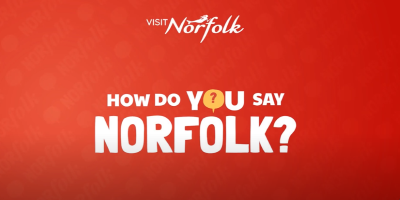
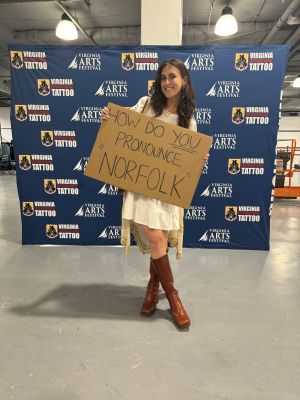
One way the city has embraced its digital presence is through VisitNorfolk’s “How Do You Say Norfolk” campaign, an ongoing initiative that plays on the long-running debate over how to pronounce the city’s name—a debate many could turn to AI in an attempt to solve. Instead, VisitNorfolk turned the attention back onto the people who call Norfolk home.
“With so many transplants here—from the largest naval base in the world, the Port of Virginia and the North American headquarters for NATO—each pronunciation tells a story,” Hughes said. “The campaign highlights what visitors can do in the destination, connecting our city’s unique character to real experiences, all while inviting locals to participate in a lighthearted, engaging way.”
“That’s where keeping it authentic comes in,” added Paige Hawsey, communications manager at VisitNorfolk. “AI is a great tool from a research standpoint, to figure out what people are looking for, but once you’ve got all that data, it’s our job [as DMOs] to say, ‘I know my city. I know how to appropriately and effectively market this.’…The people that live in the city, the community members in the area, they’re going to be the ones who know Norfolk best and can really showcase what it’s like to be here. They’ll tell the Norfolk story better than anybody else.”