



In today’s meetings landscape, attendance goes beyond simply being in the room. It’s about creating moments that capture attention, spark emotion and deliver measurable outcomes.
Event production and technology have become the force multiplier that makes those moments possible. When thoughtfully integrated, it can transform meetings from simple line items into business drivers with lasting impact.
At Encore, we’ve seen this approach firsthand. When the American Academy of Neurology (AAN) sought to invigorate its annual meeting, the goal was to transform a traditional event into an immersive journey. By blending strategic storytelling with layered AV elements, the experience didn’t just capture attention; it also inspired attendees to engage more deeply with the organization’s mission.
The result? Stronger connections and measurable increases in engagement.
So, how can meeting planners make a bigger impact via production and technology? Here are four practical strategies.
[Related: 4 Ways to Design Experiential Events That Activate Minds]
Start With Intentional Design
Event production and technology should be aligned to the purpose of the meeting, not deployed for its own sake. That starts with clear design. Before adding screens, sound or lighting, define what you want participants to do or think differently when they leave. Whether your goal is learning, networking or inspiration, technology should serve the experience, not the other way around.
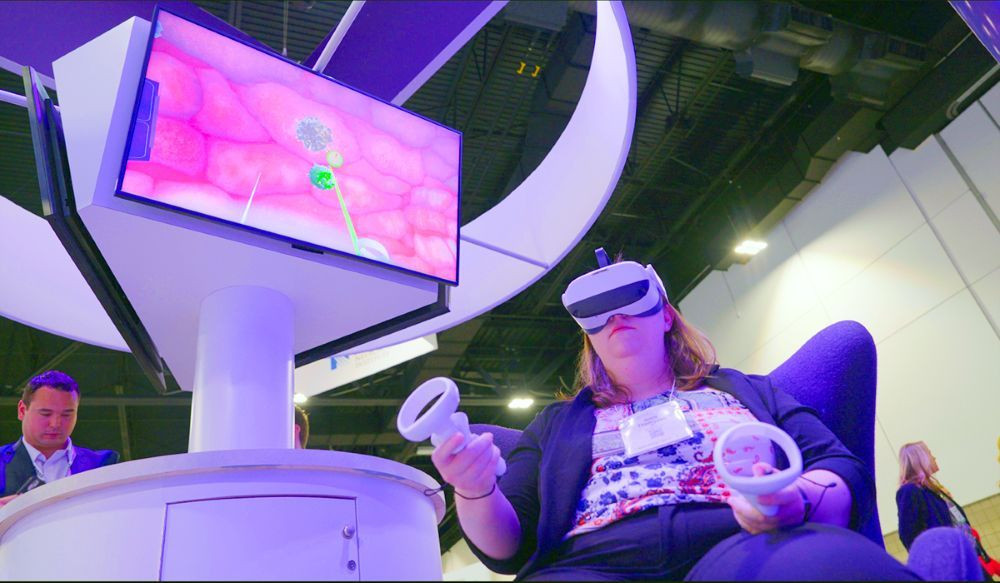
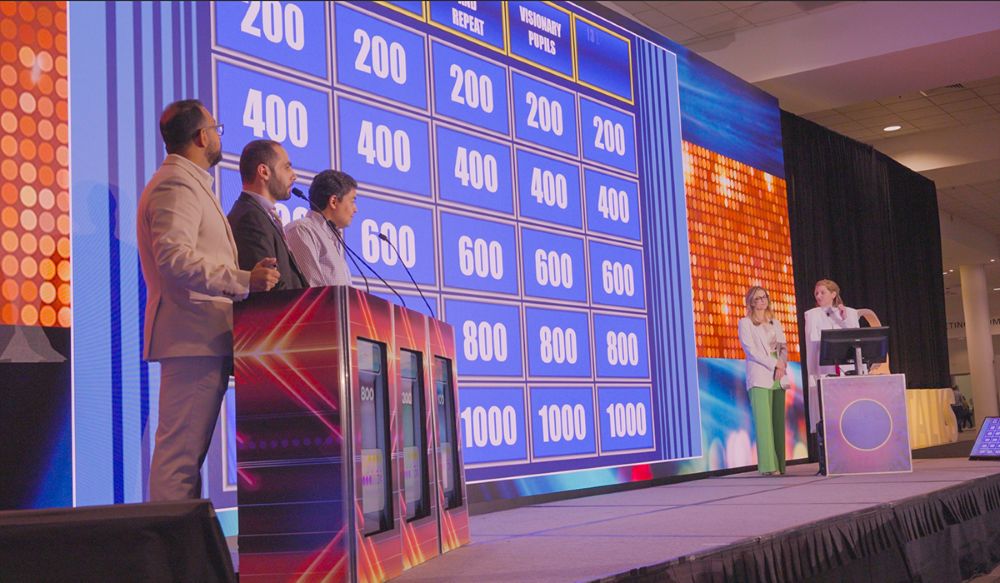
Tip for planners: Partner with your event production team early in the process. Our team worked with AAN to identify their objectives, then reverse-engineered the event to map the right solutions. Hands-on activities and educational opportunities were critical to our client, so we created eight interactive hubs where attendees could explore neuroscience innovations through hands-on training, scientific learning and networking. We accentuated these hubs with technology, including custom AV, interactive displays and branding elements that supported different learning modalities. From LED walls displaying live content to intimate areas for small-group learning, each hub was tailored to its unique purpose.
[Related: Read More Audiovisual Content]
Engage Through Multi-Sensory Environments
Our research shows planners want to deliver more interactive, creative and immersive experiences.
Technology makes this achievable. Intelligent lighting, spatial audio (including surround sound) and projection mapping transform standard rooms into memorable environments.
These sensory layers make a strong impression and improve retention. Research consistently shows that the more senses you engage, the more memorable the experience. Even small adjustments, such as walk-in music or focused uplighting, can dramatically change the energy in the room.
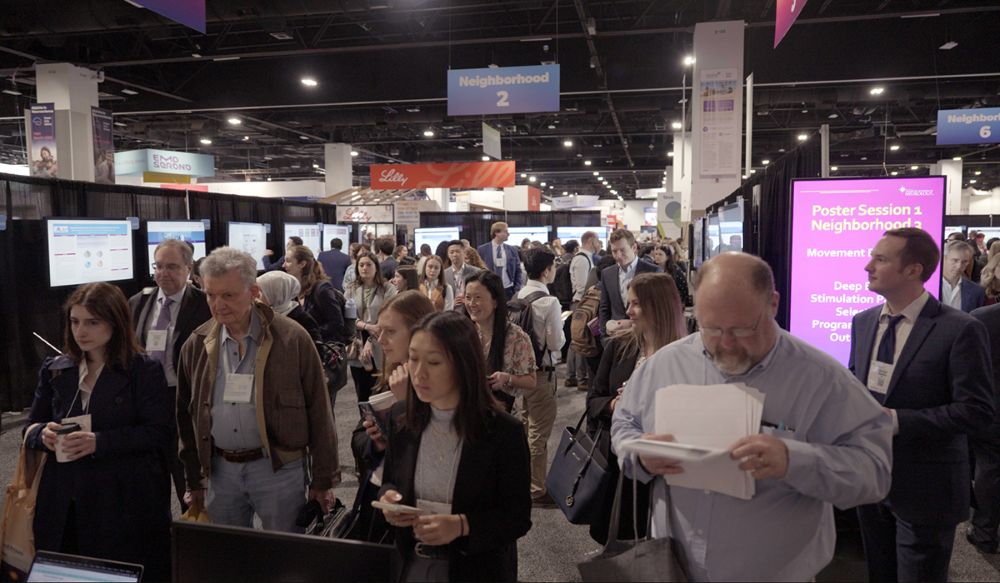
Tip for planners: Think beyond the stage and layer in elements to focus attention and evoke emotion. Use environmental technology such as soundscapes, lighting cues and interactive displays to immerse participants from the moment they enter. At AAN, this included using color-changing lighting that shifted between sessions to reflect different scientific themes. AAN also created a “fashion show” segment of the conference, which required our team to use multicolored moving lights to transform the room into a catwalk.
[Related: State-of-the-Art Immersive Environments That Will Blow Your Attendees’ Minds]
Use AV as a Storytelling Engine
Traditional AV delivers content. Strategic event technology tells a story. Rather than think of AV as equipment, think of it as a storytelling partner.
For AAN, instead of a flat backdrop, we incorporated a panoramic LED wall that visually reinforced key messages and turned complex neurological concepts into compelling visuals attendees remembered. This intentional use of technology doesn’t just deliver messages; it elevates them into memorable stories.
Whether it's incorporating audience feedback in real time or incorporating floor-stand LED banners to reinforce content around the room like an exhibit, the technology applications are endless.
Tip for planners: Treat your event production partner like a co-author of the story. Share scripts, key messages and brand goals so they can suggest technology that amplifies, not distracts from, your content. Your event partner can be instrumental in finding ways to enhance the meeting during the design phase by providing technology-related ideas, cost-saving measures and money-making opportunities. Plus, your partner has knowledge of the facility and the experience to navigate labor-related rules.
Look at Your Space Differently
Meeting planners are always tasked with transforming environments into engaging and exciting spaces. Turn to your event production experts to identify ways to impress your audiences.
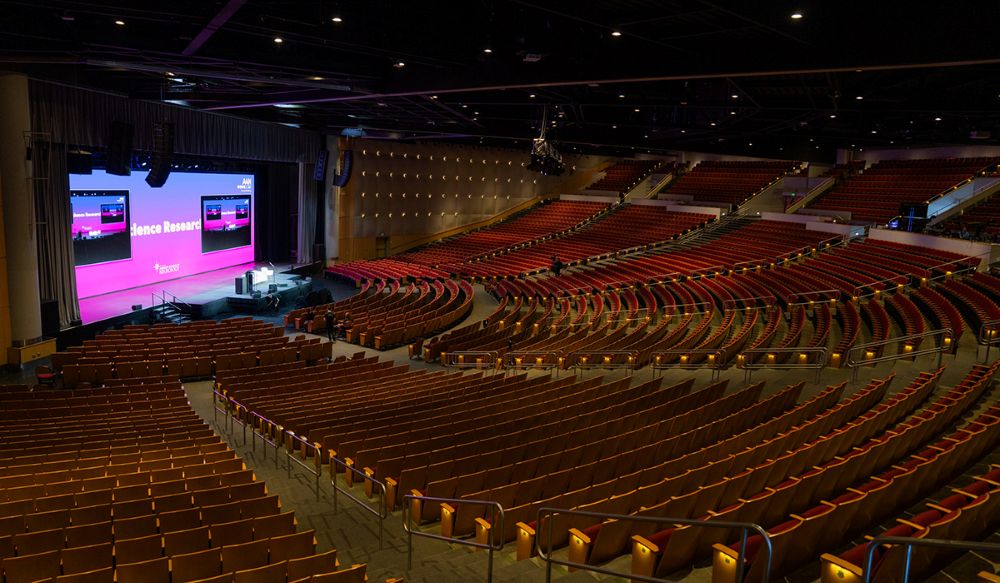
The general session of the AAN meeting was held in a theater, so we utilized creative AV integration to transform the stage by adding a floor-to-ceiling LED screen that spanned the theater’s proscenium. This technology created a cinematic canvas that blended content, brand identity and live video seamlessly. Moreover, it reimagined a standard venue into an immersive experience.
Tip for planners: Don’t get stuck with blank-slate ballrooms. Bring in your event production partner early to reimagine the venue. With the right production partner, even traditional theaters or conference halls can be elevated into immersive storytelling spaces. Also, think of the attendee flow throughout the event space. This will help you decide where to create your “wow” moments, schedule education and plan networking hubs, and which production tools to use to accentuate. Avoid placing anything near a high-noise area, like a kitchen or freight elevator.
Event engagement is simple: Technology amplifies human connection. When deployed with intention, event technology creates immersive environments where people feel, learn and act differently. And when participants leave not just informed, but inspired, that’s when meetings deliver their biggest business impact.