


St. Louis upped its meetings and conventions offering in a major way with the long-anticipated expansion of downtown’s America’s Center Convention Complex, adding a new 72,000-square-foot exhibit hall, among other major features, in 2024 and hosting MPI’s World Education Congress last June.
But while the spotlight is certainly on St. Louis’ downtown convention core, meeting and event planners may want to think of it as a springboard to experience the city’s many vibrant neighborhoods and expansive public spaces for offsite activities.
“When I was first moving to St. Louis, I went out, saw the neighborhoods and I was like, ‘You know, there are some things that I didn’t know about St. Louis,’” said Ed Skapinok, chief commercial officer for Explore St. Louis. “I knew everything there is to know about the Arch and the Cardinals before I ever showed up, but going out and just seeing some of these really unique neighborhoods, to me, that’s the soul of the destination. So, we’ve started focusing on that in our sales outreach, to try and sell more than just the iconic sites. It’s actually helping customers take their programs offsite and into these places.”
[Related: Continued Growth and Infrastructure Projects Put St. Louis in the Spotlight]

Below are three St. Louis neighborhoods, as well as its world-class park, that will allow attendees to experience the more unique aspects of The Gateway City, along with comments from Catherine Neville, vice president, communications for Explore St. Louis, that illustrate their appeal for meeting and event groups.
“What makes St. Louis a great place for a meeting planner to leverage the idea of neighborhoods is that each one of our neighborhoods has such a unique character to it,” Neville said. “People really are interested in much more than going from the airport to the convention center and back. If you have the opportunity to go to a new city, you want to explore it.”
Neville added that the Explore St. Louis convention services team can help planners arrange for transportation from the convention district, as well as venue rental and catering.
That said, let’s take a wander...
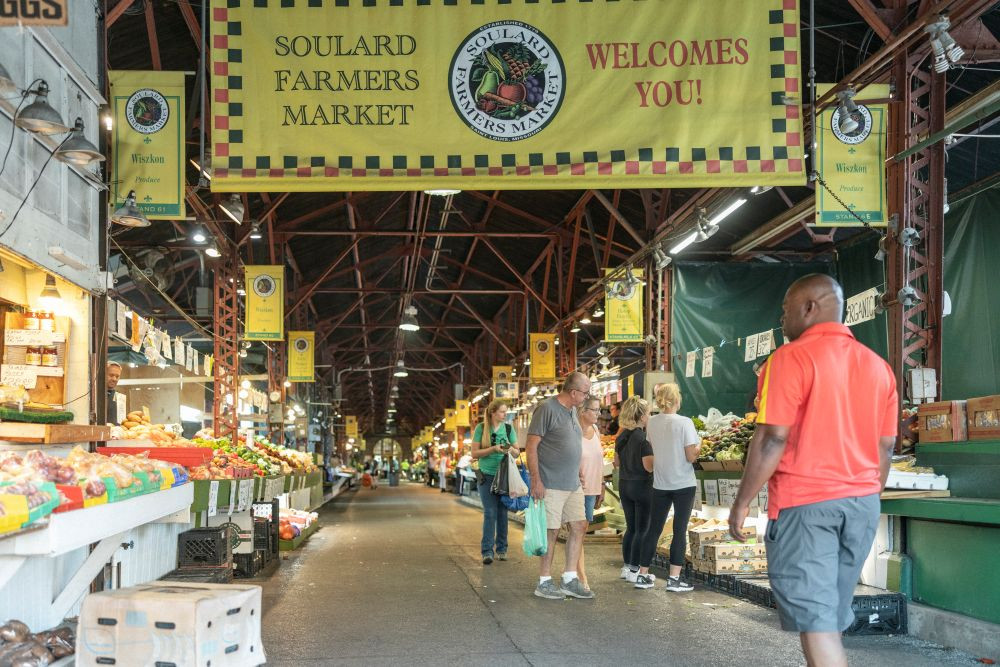
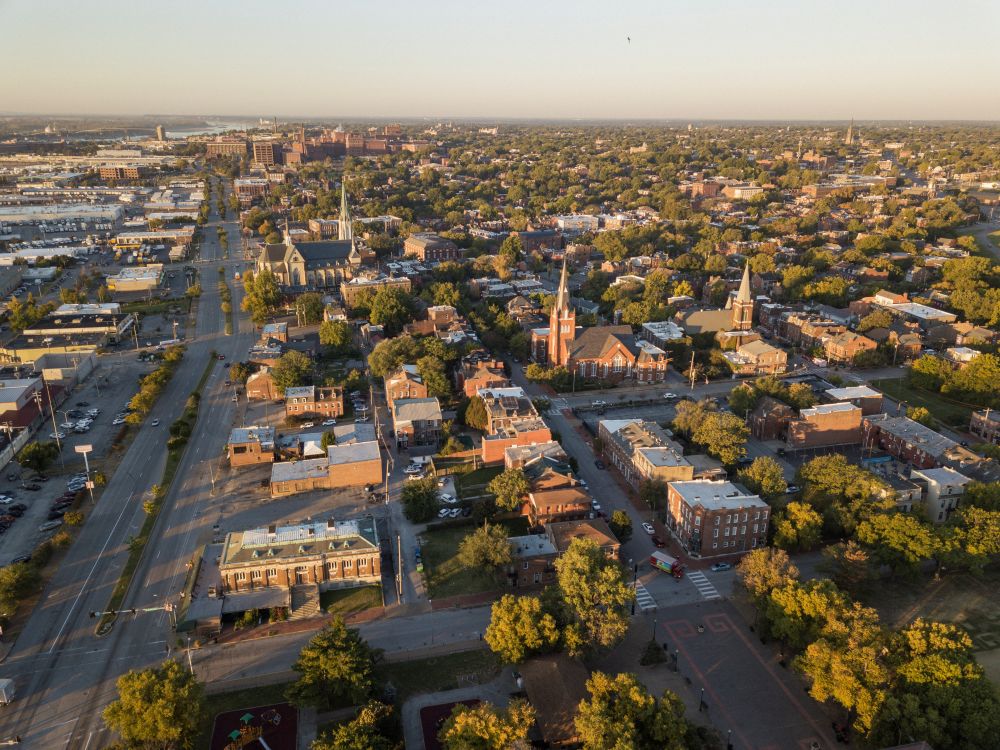
Soulard
What makes it special: Historic brick buildings beckon in one of the oldest St. Louis neighborhoods, which is filled with restaurants, live music venues (blues, in particular, is a major attraction), a farmers market and a vibrant dining scene often sporting a casual, Cajun flair.
“There’s really beautiful 19th-century brick architecture in this neighborhood that’s very close to downtown but feels very, very different in terms of its character, and has a lot of great St. Louis history to it,” Neville offered. “Obviously, Anheuser-Busch is a very well-known brewery—it’s on the National Register of Historic Places. It’s an immense, gorgeous campus just south of downtown inside of the Soulard neighborhood. You could do an event there—they have fantastic catering and various events venues—but then afterwards you could take your attendees into Soulard itself and enjoy all the different pubs.”
[Related: What’s New at This Year’s MPI World Education Congress in St. Louis]
Forest Park
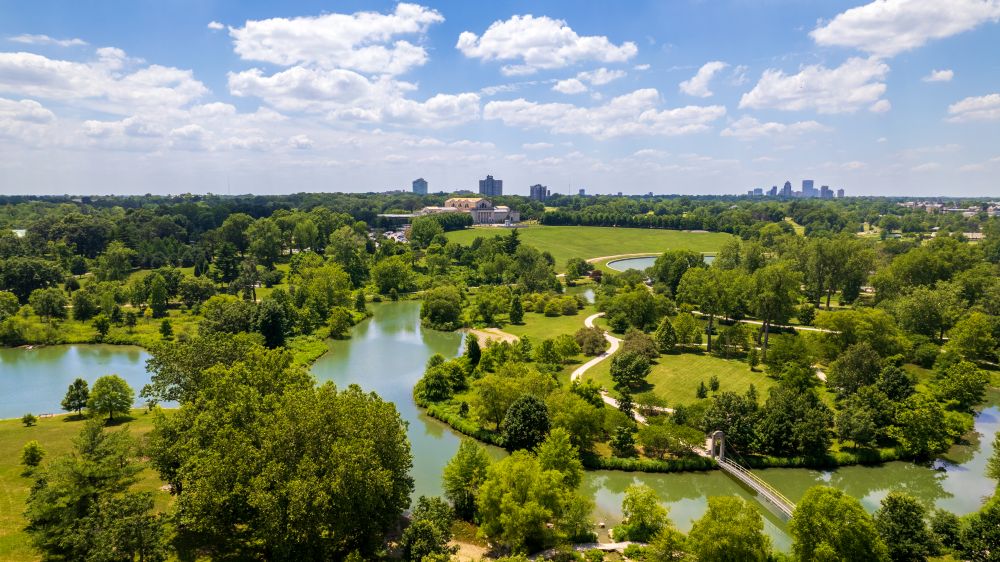
What makes it special: The crown jewel of St. Louis, Forest Park is one of the largest urban parks in the U.S. (eclipsing New York’s Central Park by 500 acres) and is home to an astounding number of free attractions such as the Saint Louis Zoo, Saint Louis Art Museum and The Muny outdoor theater.
“If you have a group that really enjoys outdoor activities, Forest Park is on the western-central edge of St. Louis and is a huge, beautiful green space,” Neville said. “There are various venues inside Forest Park, such as the Saint Louis Art Museum, the zoo and the Science Center, all of which can host events as well as breakout sessions or other meetings.
“But if your attendees are really interested in having something outdoors, there’s the World’s Fair Pavilion that sits on top of a hill that overlooks this beautiful, expansive park,” Neville added. “It was built just after the World’s Fair at the beginning of the 20th century and threads the needle between inside and outside because it’s covered, so if there’s inclement weather, they have sides they can bring down.”
[Related: New Developments Prepare St. Louis for a Strong Business Travel Comeback]
The Delmar Loop
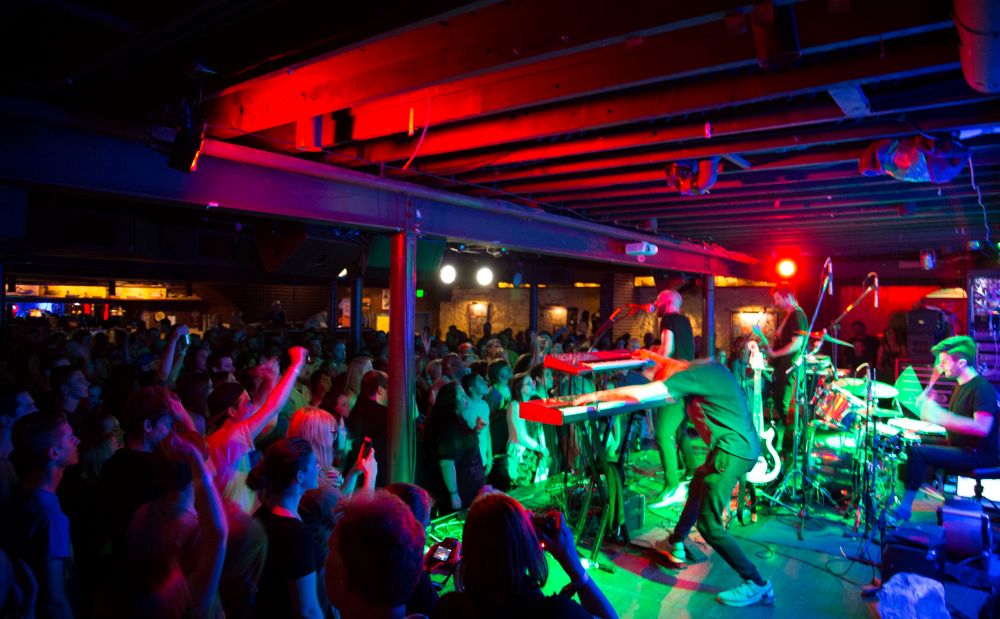
What makes it special: This eclectic neighborhood bordering University City (home to the prestigious Washington University in St. Louis) was spearheaded by local entrepreneur Joe Edwards, proprietor of standout music club Blueberry Hill (where Chuck Berry frequently performed) and the Moonrise Hotel, among other innovative venues.
“The Delmar Loop is eclectic. It is vibrant. It has fantastic live music venues like The Pageant and Delmar Hall as well as Blueberry Hill,” Neville said. “The Moonrise Hotel is right there and has a rooftop where you could have a private event overlooking all of the great energy. There is such a great indie-shop culture—it’s always bustling, with lots of international restaurants there as well.”
Delmar Maker District
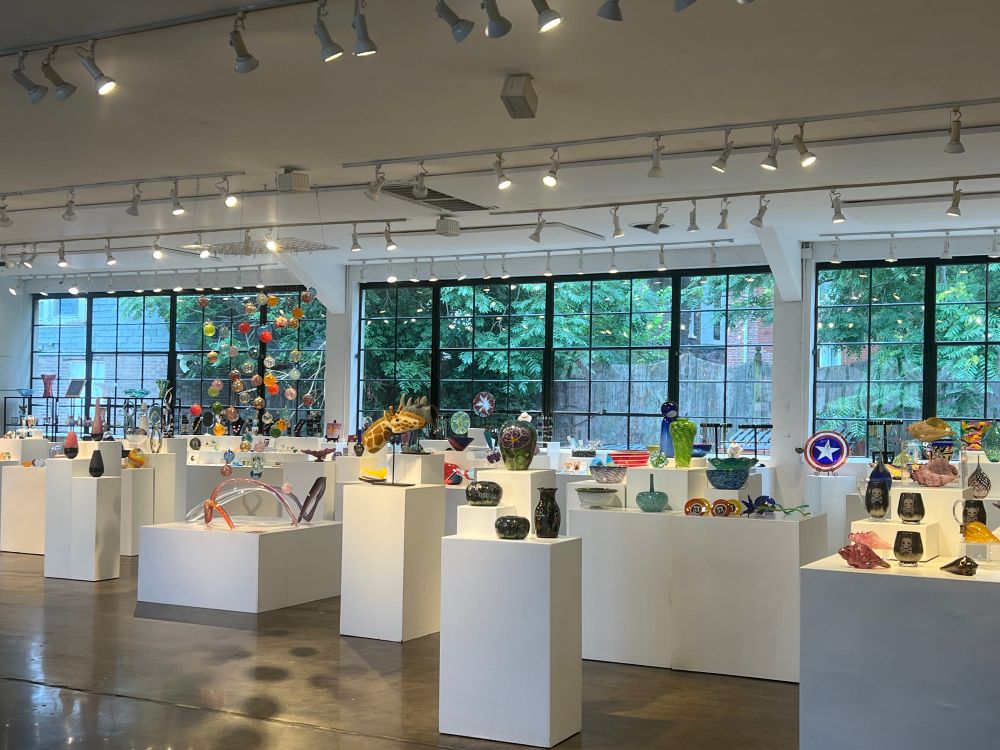
What makes it special: DIY innovation is celebrated in this emerging neighborhood just east of The Delmar Loop, where Craft Alliance and MADE Makerspace join other venues dedicated to projects produced on a personal scale.
“This is where Third Degree Glass Factory is located, and that’s a great venue that’s built for meetings, but then it’s also built for immersive experiences,” Neville said. “I’ve had events there where you have this wonderful reception and then at the same time these glass-blowing demonstrations are taking place and people can watch all of this art being created.”
Q&A: Ed Skapinok, Chief Commercial Officer, Explore St. Louis
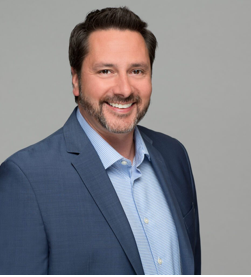
A little over a year after Ed Skapinok assumed the new chief commercial officer position at Explore St. Louis, Meetings Today’s Tyler Davidson got a chance to sit down with him at ASAE’s Annual Meeting & Exposition to detail what’s new and on the horizon in The Gateway City.
Tyler Davidson: I’m guessing MPI WEC was an ideal opportunity to show off your expanded convention center?
Ed Skapinok: The timing worked out well. We added 72,000 square feet of exhibit space, and so we were able to activate what we call Hall 4X, the new space. Now we’re at 474,000 square feet of total exhibit space, and we used most of it for MPI WEC. We had their marketplace in Hall 4X, which worked out really well, but then just on the other side of the hall is the new [40-bed] culinary gardens we have at America’s Center; this is essentially an urban farm. It’s a great part of our sustainability message at America’s Center because that’s thousands of pounds of organic food grown every year that will never [need] a truck.
Davidson: What else is new in town for meetings and events?
Skapinok: There’s $2 billion being invested in downtown St. Louis. The U.S. National Geospatial-Intelligence Agency headquarters is being built and about to open just a mile from the convention center. That’s going to transform that industry and put St. Louis on the map—no pun intended—in a very big way. We’re seeing groups that are involved in that industry wanting to do conferences with us, and similarly, there’s a group that’s investing over a billion dollars in a development just south of the Arch called the Gateway South Project. They want that to become, essentially, the construction and engineering headquarters for the United States.
Davidson: Your position as chief commercial officer is new. What does your job entail?
Skapinok: It’s new, and that actually was what was appealing to me. For the last 10 years or so, I was kind of a thought leader in creating commercial strategy in the hotel world, which in that space really tied together sales, marketing and revenue management to eliminate those silos and really think in a much more focused, customer-centric, business-oriented way. Having somebody with an operations mindset who embraces commercial strategy and can make our space more customer focused and eliminate those silos is a good thing. I told the board, “If you’re looking for somebody to come and babysit a box of meeting rooms, I’m not your guy.”