



This past December, a LinkedIn post from an employee at a major medical-device manufacturer demonstrated how deeply patient stories can affect those who work to improve patients’ lives.
Given the traditionally buttoned-up culture within the life-sciences industry, the LinkedIn post was notable. Specifically, it detailed parts of the company’s annual winter program for employees, which had a large in-person audience plus virtual attendees from around the world.
“We heard several inspiring patient stories that remind us of the impact of what we do, not only for the patients themselves, but for their families and loved ones,” the employee wrote.
These included a diabetes-sales territory manager who uses the insulin pump he now helps physicians and patients understand and navigate. “Thanks to this device, his mother no longer calls him every morning to make sure he made it through the night and woke up,” the employee noted.
Another patient story came from a teenager who was born prematurely and would not have survived without a tracheostomy tube. “At the age of 13, she was finally able to have it removed and went to the beach for the very first time,” the employee wrote.
Also on stage was the patient’s mother, who said the thing she most looks forward to is her daughter’s ability to be independent—to start living like a normal teenager.
Patient Stories Impact Everyone
Stories such as these are essential not just for life-sciences employees, but also the healthcare professionals (HCPs) who prescribe medications and devices from life-sciences firms.
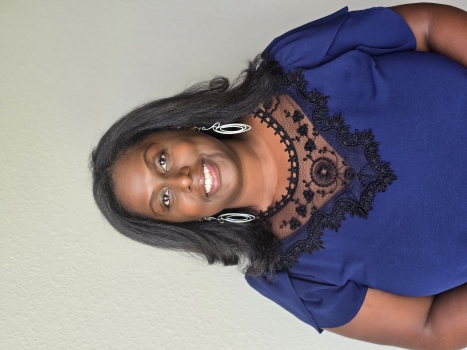
“The patient’s perspective is very compelling to both audiences,” said Meredith Garcy, account manager for McVeigh Global Meetings & Events (MGME), who coordinates patient programs, speaker trainings, investigator meetings, advisory boards and other events for life-sciences clients. “At internal meetings, patient stories let the people in medical affairs, marketing and commercial affairs see the end result of their work,” she added. “It energizes and motivates them. Those stories also become part of the messaging that commercial reps deliver to prescribers.”
And for HCP attendees, “Patients are living testimonials of what the medication does and what it allows patients to do in their lives,” Garcy said. “A patient’s message focuses on a medication’s results: Here’s how people are living day in and day out with these illnesses and how the medication is helping them. It can also make HCPs think about the potential for different treatment approaches, which maybe grows the usage of a medicine.”
One caveat with patient stories: Especially for the HCP audience, the primary goal should not be to stir emotions, according to Pat Schaumann, a veteran life-sciences meetings strategist who is president of Schaumann Consulting Group and author of Breaking the Code to Healthcare Compliance.
Rather, the stories should sharpen HCPs’ ability to diagnose and care for patients and boost their ability to engage with patients and caregivers about medication compliance and ongoing care plans, she said.
[Related: Straight Talk from 4 Med/Pharma Planners on Their Top Challenges]
Preparing Patients to Speak
Given that most patients are not professional presenters, they should be guided on sharing their health journey in a way that meets a specific audience’s needs, noted Alan Gilstrap, senior director of advocacy and engagement for life-sciences firm Lilly in a division called Akouos, which conducts gene therapy for hearing disorders.

“We typically use an external partner to coach our patient advocates on telling their stories in a way that resonates with whomever they’ll address: physicians, other patients or the FDA,” he said. “Physicians are most interested in the diagnostic process the patient went through to determine their ailment. The FDA is interested in whether a patient participated in a clinical trial and how that drug impacted their life. And fellow patients want to hear everything about that person’s physical, psychological and emotional journey. So, a patient’s story needs to be flexed in different ways.”
However, it’s the host organization who must support patients’ emotional needs.
“These folks have gone through a lot and might not be healed yet, so let them know in rehearsals that it’s normal and OK to get emotional on stage,” Schaumann noted. “There should be a dedicated person stageside who’s ready to assist—to call for a momentary break in the session or to slow the pace of audience questions.”
To make it easier for patients to tell their stories, event hosts could pair them with a moderator in a talk-show setup, making the session a conversation amid comfortable seating. And to get even more value from patient stories, the host could pair a patient on stage with a doctor, preferably their own.
“I’ve seen it work really well when a physician provides the medical side of the patient’s story, especially if they know the patient’s full medical history,” Gilstrap said.
Once the patient finishes their story, having the accompanying doctor summarize key points is beneficial, said Schaumann. “With an HCP audience, the doctor could connect the story with the guidelines and path of care; there should be specific takeaways for the audience,” she said. “Also, ask HCPs to reflect on what they would now do differently back at their practice, and have them talk among themselves about that.”
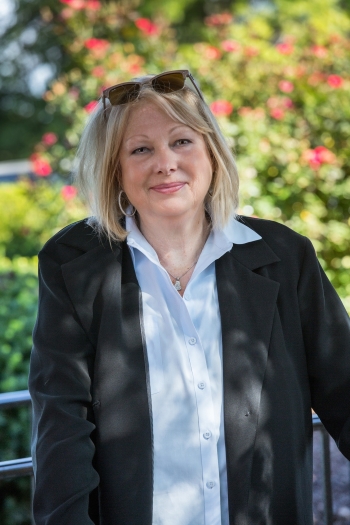
And with patients who have sufficient energy, a post-session meet-and-greet could make a strong impression on HCPs. “Perhaps a small reception afterwards, an opportunity for physicians to ask questions they might not in the general session,” said Schaumann. However, as with the general session, a patient support person should be nearby to ensure patients’ welfare and comfort.
“If a patient advocate is up for that, it would be a very positive thing for physicians to ask questions one on one and get to know that advocate on a more personal level,” Gilstrap concurred. “But you must tailor the experience to the capabilities of each patient advocate in a way that’s reasonable and respectful.”
Supporting Patients’ Personal Needs
Accounting for each patient’s capabilities also requires meticulous planning of the transportation, lodging, F&B and onsite experiences that patients—and often their caregivers—will have.
“Generally, there will be somewhere between three and 15 patient advocates presenting during a three- to five-day conference,” said MGME’s Garcy. “It’s important that our clients know they probably have to spend additional money for the necessary accommodations to make patients comfortable. You need to treat them like VIPs and understand that each patient will have specific needs you might not think of. Detailed communication ahead of time with patients is essential.”
When planning patients’ travel itineraries, Garcy tries hard to ensure that patients are away from home for only one night if they are coming from out of town, to minimize the burden of an altered daily routine.
“That often means they’re arriving in the morning, so we might need a hotel room ready for them early,” she noted. “You need to know if they require a refrigerator in their room, and whether they have a service animal.”
“Having an always-available point of contact for each patient from the minute they step off the plane or out of the car is critical,” Schaumann added. “And if they need a team member to accompany them for part or all of the time they’re in town, you do that. Other patients want to bring a family member. Make things work so that each patient feels comfortable.”
During the event itself, a dedicated lounge is home base for patient speakers.
“It’s somewhere quiet for them to sit and relax while the rest of the meeting is happening,” Garcy said. “It’s important to take into account what types of food and refreshments each patient needs and have it there. Also, how far is it from the meeting space to the lounge and back to their guest room? Patient mobility is an important consideration.”
On the whole, life-sciences firms should approach the task this way: “Care as much for that patient as you care about the outcome you're trying to accomplish,” said Gilstrap from Lilly. “Manage the whole experience in a way that honors each patient and shows appreciation for the value their voice brings to the meeting.”