


Event menus haven’t changed much in the last decade. Selections follow the same patterns: portions are still generous; dessert is automatic; snack breaks skew to being sweet and carb-loaded; and hosted bars are built on assumptions about attendee preferences that no longer reflect reality.
However, a major twist to this formula has recently been thrown into the mix: the GLP-1 weight-loss drug. A recent poll from KFF Health Tracking indicates that 12% of adults are currently using GLP-1 drugs such as Ozempic or Wegovy, and a recent push by the federal government to lower prices for these types of drugs for weight loss should translate into even more attendees joining the regimen.
[Related: GLP-1 F&B Advice for Meeting Planners]
According to the International Food Information Council’s (IFIC) 2025 Food & Health Survey, 51% of Americans are currently trying to lose weight, while another 28% are focused on maintaining their weight. The top four benefits Americans seek from their diet include energy and reduced fatigue (40%), weight loss or weight maintenance (40%), healthy aging (37%) and digestive or gut health (37%).
Notably, energy and reduced fatigue has held the top spot for four consecutive years, signaling a sustained shift toward eating patterns that support how people feel, not how much they eat.
Catch Our Free Meetings F&B Webinar With Tracy Stuckrath
The GLP-1 Wave
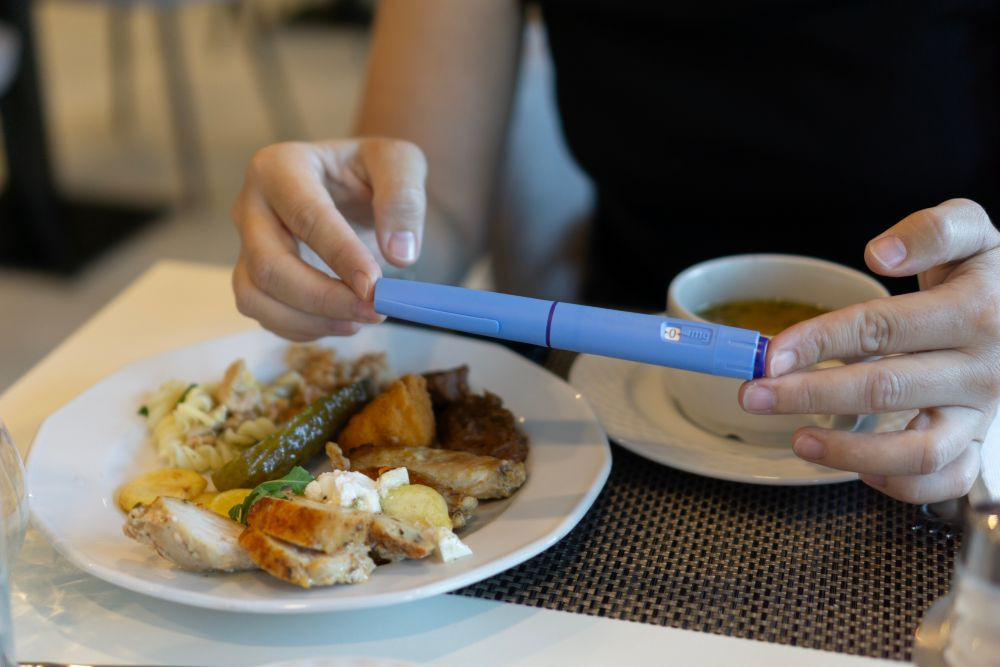
 Against this backdrop, GLP-1 medications—used to manage diabetes, heart disease and weight—are accelerating this shift. Their use is associated with smaller portions, fewer indulgent foods, reduced alcohol consumption and greater intention around protein and vegetables.
While GLP-1 use is not universal, its impact is already visible across restaurants, grocery stores and foodservice operations. And for event planners and catering partners, that shift raises an important question: If a meaningful portion of attendees (roughly 12% currently and potentially 15% to 30% in coming years, based on recent polling) are eating differently, shouldn’t event menus evolve to meet people where they are?
This isn’t about creating “GLP-1 meals” or adding another accommodation category—we planners struggle enough with managing food allergies. Most people taking these medications don’t want or need special treatment when it comes to meetings and events menus. Instead, this is an opportunity to rethink menu design in ways that reduce waste, protect budgets and create a more inclusive experience for everyone at the table.
[Related: Tracy Stuckrath's Essential Meetings F&B Checklist]
Why the GLP-1 Wave Matters for Events
Research and reporting across foodservice and retail show consistent patterns among people taking GLP-1 medications:
- They feel full faster and eat smaller portions.
- They are less interested in sugary, fried or highly processed foods.
- Many have reduced their alcohol consumption.
- They still enjoy food and social dining, but differently now.
 Not every GLP-1 user experiences these changes to the same degree, but the overall pattern reinforces broader shifts already underway around wellness, portion sizes and alcohol consumption.
These shifts aren’t happening in a vacuum. The IFIC 2025 Food & Health Survey report states that 79% of Americans say they notice nutrition information when eating away from home, and more than half use it to decide what to order. Guests are already scanning labels and calorie counts in restaurants and retail; event menus that mirror that level of transparency simply meet them where they are.
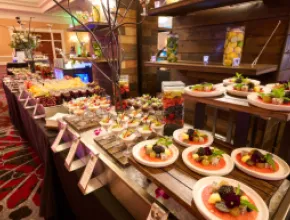
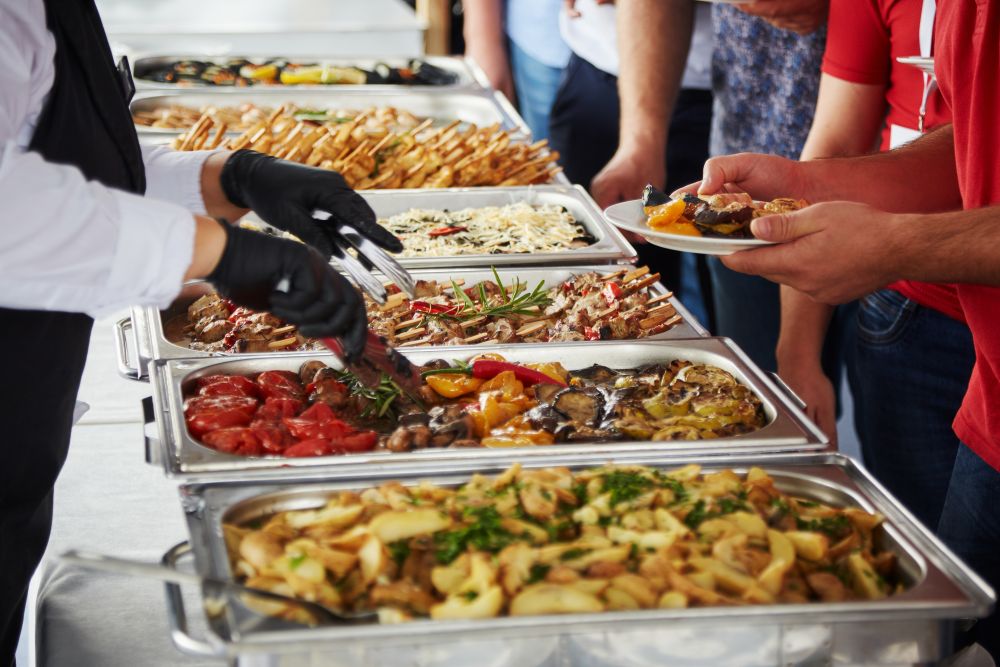
Restaurants are already responding with smaller portions, flexible ordering and mini-format offerings to reduce waste and meet guest expectations. Events, however, often remain locked into a model of abundance that assumes every guest wants, and will consume, the same amount.
The result? Plates coming back half-full. Desserts untouched. Snack tables barely grazed. Bars overstocked. The common denominator: a lot of surplus food. And that surplus represents budget already spent—food purchased, prepared and served—without delivering added value to the guest experience.
GLP-1 use didn’t create these issues, but it’s making them harder to ignore.
Read More Tracy Stuckrath Meetings F&B Content
What This Is, and What It Isn’t
Before jumping into best practices, it’s important to be clear:
- This is not medical guidance. GLP-1 experiences vary widely, and attendees should follow advice from their healthcare providers.
- This is not about accommodations based on medication use. GLP-1 use alone does not typically require a special meal, nor does it fall under ADA dietary accommodation in most cases.
- This is about menu strategy. Specifically, how planners and our catering partners can design menus that align with how people are eating today.
[Related: 8 Tips for Meeting Planners to Collaborate With Chefs For Exceptional Group Dining]
Best Practices for Event Menus in a Changing Eating Landscape
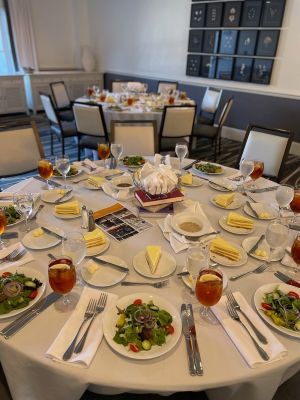
- Design for flexibility, not fullness. Instead of building menus around maximum consumption, build them around choice.
- Offer composed plates that feel complete but aren’t oversized.
- Use build-your-own formats (grain bowls, salads with proteins, breakfast plates) that allow guests to self-regulate portions.
- When possible, provide a “lighter portion” option of the same entrée that was originally offered.
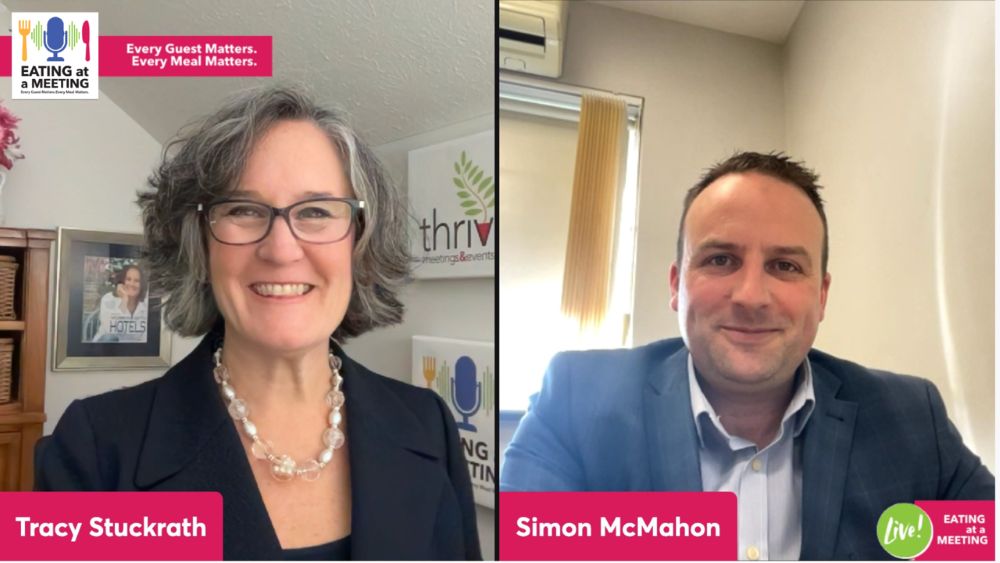
Simon McMahon, director of operations at Wyboston Lakes Resort, said during my Eating at a Meeting podcast (Episode #196), “We were doing some of our dishes on our menus and, when we calorie‑counted the meal, we were horrified….That dish either needs a change of recipe or it needs to come off altogether.”
Flexibility allows guests to eat what works for them—without asking for anything special.
[Related: More Meetings Today F&B Coverage]
Right-Size Portions and Production
About 62% of attendees say they replace traditional meals with snacks or smaller meals at least occasionally— up from 38% in 2020, according to the IFIC 2025 report. If all attendees are eating less overall, traditional portion sizes may be overshooting actual consumption.
Here are some strategies to deal with that:
- Pilot slightly smaller plated portions, especially starches and heavy sides (attendees can ask for more).
- Reduce automatic bread service.
- Offer fewer items on the buffet.
- Have catering partners plan for less food per person; for example, one pound per person that includes all of the food on the buffet instead of the 2–4 pounds per person that some properties are still providing.
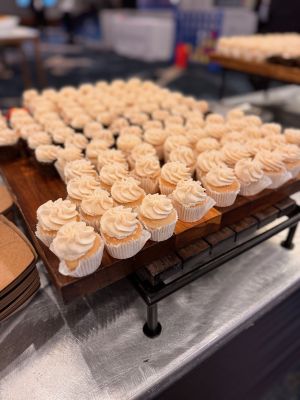
- Make dessert mini-portions rather than full slices, or use dessert as an afternoon break instead
Track plate waste and refill rates to inform future F&B guarantees. Even modest adjustments can significantly reduce food waste and cost.
[Related: 8 Allergens That Need to Be Identified and Labeled for Group F&B Programs]
Rebalance the Plate
There is no single “GLP-1 diet,” but consistent nutritional guidance emphasizes protein, fiber and nutrient density.
For events, that means:
- Ensuring a clear protein option at every meal and break (including plant-based protein).
- Treating vegetables and plant-forward dishes as center-of-plate, not afterthoughts.
Dialing back sugar-heavy breakfasts and snack breaks (the IFIC report found that 62% of Americans are concerned about their sugar intake, and 75% are trying to limit or avoid sugars in their diet).
Balanced meals don’t just support GLP-1 users—they also serve diabetics, attendees across all age groups, and guests seeking sustained energy and focus during long program days.
Publish Menus Early and Transparently
One of the simplest ways to reduce last-minute, off-menu requests is to share menus in advance:
- Post menus in the event app or website.
- Include sample menus in pre-event communications.
- Use descriptive language—grilled, roasted, plant-forward, no added sugar—rather than restrictive labels.
- Clearly identify the top nine allergens, as well as gluten-free, vegan and vegetarian options.
When guests can plan ahead, they’re empowered to self-manage quietly and confidently.
[Related: Learn 9 Prime F&B Takeaways From Events Experts]
Rethink Dessert and Snack Culture
Data shows reduced interest in sweets among many GLP-1 users, and among younger attendees more broadly. Consider:
- Fewer dessert options, but higher quality
- Mini-desserts or one featured item instead of buffets
- Snack breaks that pair protein and fiber with traditional offerings
Less food doesn’t have to mean less hospitality—it often means more intention.
Reevaluate Bar and Beverage Strategy

GLP-1 use is associated with reduced alcohol consumption, and many attendees are choosing to drink less for a variety of reasons. The 2025 Hilton Trends Report shares that “1 in 4 global travelers have reduced or stopped their alcohol consumption” in the past year, prompting Tempo by Hilton to create its non-alcoholic “Free‑Spirited” program.
Best practices include:
- Expanding premium non-alcoholic options, including for beer, wine and spirits (not soda).
- Treating adult non-alcoholic (ANA) beverages as intentional menu items, not afterthoughts.
- Considering smaller pours or half-cocktails where appropriate.
These changes support inclusion while often reducing beverage spend, without negatively impacting guest satisfaction. On a recent episode of Eating at a Meeting, Kevin Morgan, vice president and brand head of Tempo by Hilton, shared that over 25% of cocktails ordered are now the Free‑Spirited (non‑alcoholic) versions. That suggests robust demand for thoughtfully crafted zero‑proof options, not just during “dry” initiatives but year‑round.
Clarify Accommodations vs. Preferences
Design your registration forms to distinguish between medically necessary dietary needs—food allergies, celiac disease, religious requirements, ADA-related accommodations— and those that are preferences.
At the same time, design core menus that work for a wide range of appetites and preferences. Inclusive menu design reduces the need for special requests altogether.
Don’t Overlook Non-Food Needs
For some attendees, the most relevant GLP-1-related request isn’t about food, it’s logistical. Certain medications require refrigeration but not all hotel rooms include mini-fridges. Planning teams should be prepared to address these requests discreetly, just as they would for other medical needs.
Takeaway: A Smarter Path Forward
GLP-1 medications are unlikely to be a passing fad . Their use is expanding across multiple medical conditions, and their influence on how people eat is already reshaping the food industry.
For events, the takeaway is simple: Menus designed around abundance alone no longer serve every guest—or our budgets or waste goals—well.
By focusing on flexibility, balance and intention, planners and catering partners can reduce waste, protect budgets and create dining experiences that feel welcoming, without calling out any group or creating new layers of complexity.
When menus work for more people by design, everyone benefits. Because every guest matters—and every meal matters.