
Small to mid-size events often have the biggest impact because attendees in these intimate settings tend to be focused and strategic.
These meetings often include influencers, decision-makers or passionate advocates—a powerful audience. They can amplify their personal experiences back into their networks, driving business impact that far exceeds the event size.
For meeting planners, this means every detail carries more weight. Here are four tips for using technology to turn these intimate gatherings into unforgettable brand moments that make your smaller events ripple far beyond the room.
[Related: How Event Technology Transforms Meetings Into Business Drivers]
1. Start With Purpose, Not Props
Before you think about color palettes, logos or stage design, begin with purpose. Define the feeling and message you want attendees to carry with them long after the event ends. Ask yourself: What story should this experience tell? What should people remember a week later and what action should that inspire? Clarity around those answers guides every production choice, looking backward from your intended outcome.
For Maritz’s Elevate 2024 client event in Vancouver, British Columbia, purpose drove every decision. The core brand themes, including envisioning and enabling change, belonging and sustainability, weren’t just buzzwords. These themes shaped the experience from start to finish.
[Related: 4 Ways to Design Experiential Events That Activate Minds]
Attendees explored Stanley Park and the Dr. Sun Yat-Sen Classical Chinese Garden, participated in Indigenous Peoples’ cultural tours and enjoyed an evening at the LEED Platinum-certified Vancouver Convention Centre, where sustainable design itself became part of the narrative. By rooting the event in place and purpose, the design felt authentic and emotionally resonant.
Planner Tip: Define your core message early and build it collaboratively. Like Maritz and its design sponsors, review what worked well in past events and identify opportunities to strengthen the theme. Consider how your venue or host city can inspire that purpose, allowing every scenic, lighting and content choice to naturally align with it.
[Related: Read More Audiovisual Content]
2. Make Design Intentional, Even on a Smaller Scale
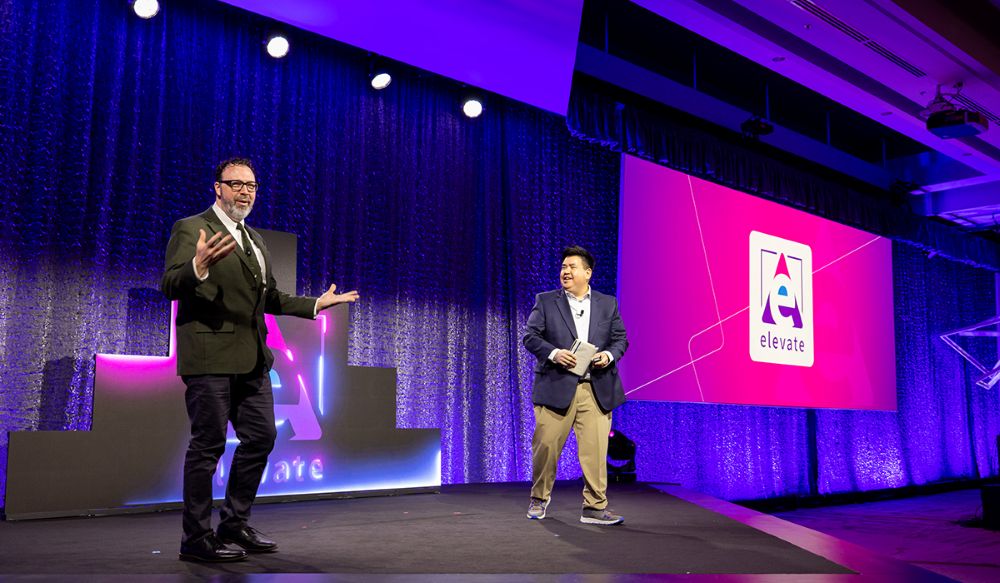
Small doesn’t mean simple. It means every element must be intentional. For Elevate, we built scenic elements around the Elevate triangle logo by mirroring that shape throughout the stage design, lighting and branding. Even in a modest footprint, these cohesive touches created visual harmony and brand consistency.
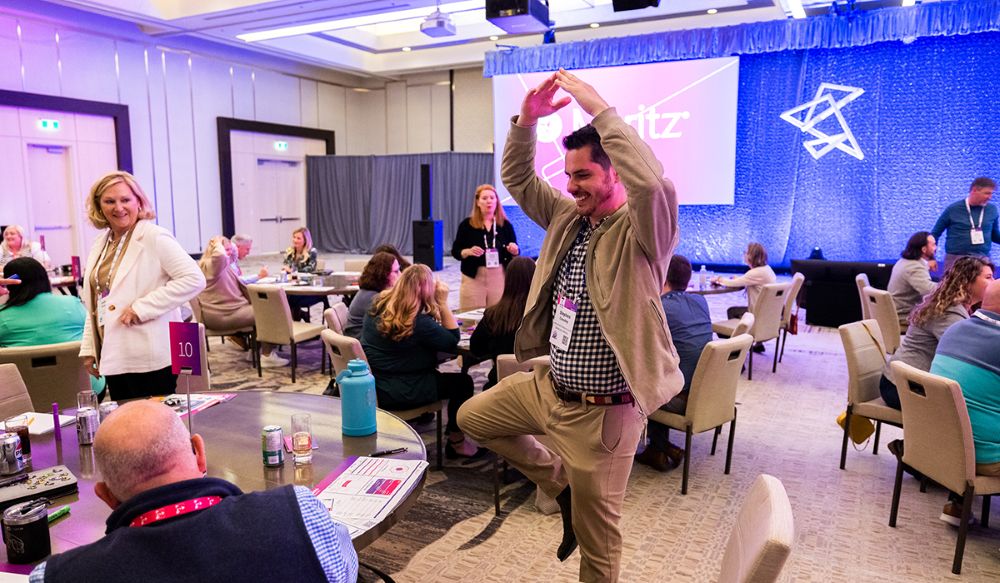
We also placed two satellite stages within the audience so every attendee had close proximity to presenters at least once. Additionally, we strategically positioned four screens across the back wall of the long and narrow space, making sight lines clear for everyone. This design encouraged engagement and made the event feel more personal, even with hundreds in attendance.
Planner Tip: Don’t fight your room’s limitations. Instead, use them to your advantage. Work with your production partner early to transform space into an experience, not just a visual. Incorporate interactive or immersive elements, like co-created personalized welcome walls or dynamic tech moments, that invite attendees to engage with your brand story and build lasting connection.
[Related: Top 10 Questions Planners Should Ask Their AV Company]
3. Create Choice and Comfort
Inclusivity is a design decision. Our team collaborated with Maritz to ensure every participant had a choice in how they engaged throughout the event. We introduced closed captioning as a new standard for all Maritz brand experiences and built a sensory friendly space for the closing reception to offer individuals a less stimulating environment. We were intentional in making creative choices that reflected representation, such as featuring female voices and incorporating imagery showcasing diversity across race, age and gender.
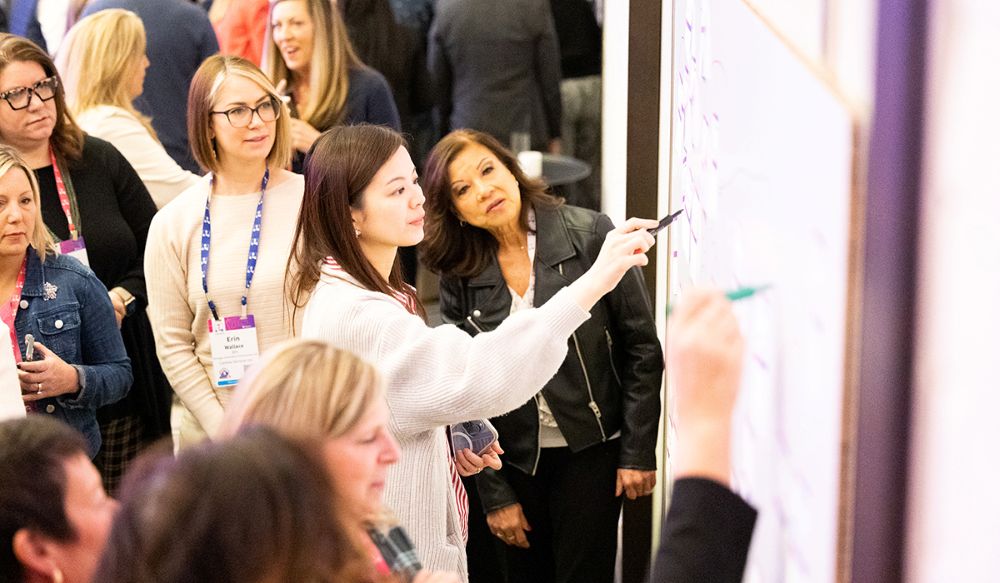
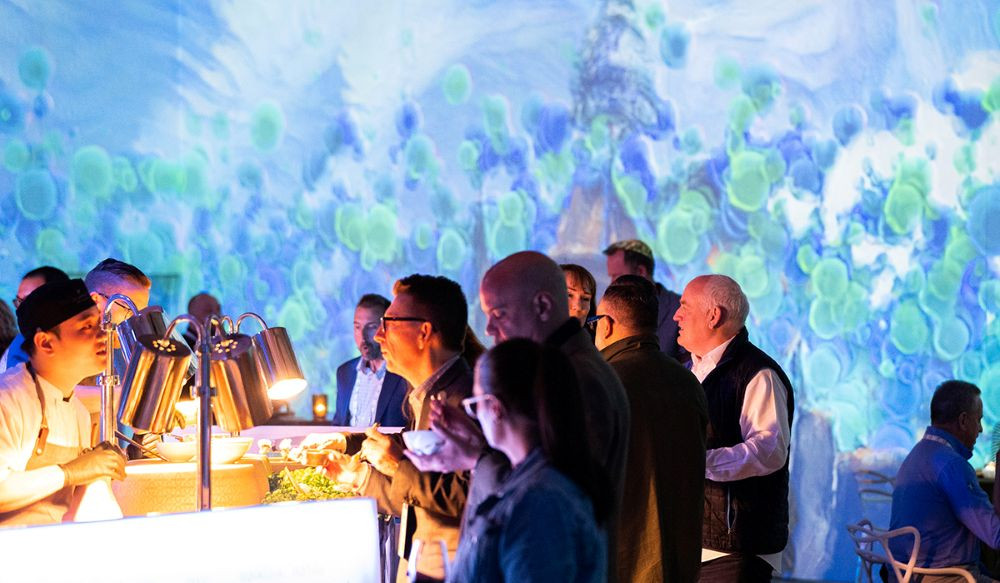
The closing reception was fully projection-mapped, transforming the room into an Emily Carr-inspired art installation that immersed attendees in color, light and movement. The design invited everyone to feel part of something unique and collective, creating a shared experience that fostered a sense of camaraderie and belonging.
Planner Tip: Design with inclusion and engagement in mind. Offer meaningful ways for participants to connect through accessible content, diverse representation and shared experiences that make everyone feel seen, valued and part of the story.
4. Collaborate Early With Venue and Production Partners
Big ideas need practical support. For Elevate, collaboration with the hotel was essential. Not only did this collaboration between an in-house partner and the hotel make planning easier, but we were able to integrate technology for efficiency. For example, we quickly and easily combined projection mapping with catering and decor without disrupting visuals. Early site visits allowed us to assess rigging points, power and Wi-Fi bandwidth, avoiding costly surprises.
Planner Tip: Bring your production and venue teams together from the start. Ask for renderings, power maps and previous examples of similar setups. Utilize tools online to calculate your own bandwidth report. The more aligned your teams are, the smoother, and more creative, your event can be.
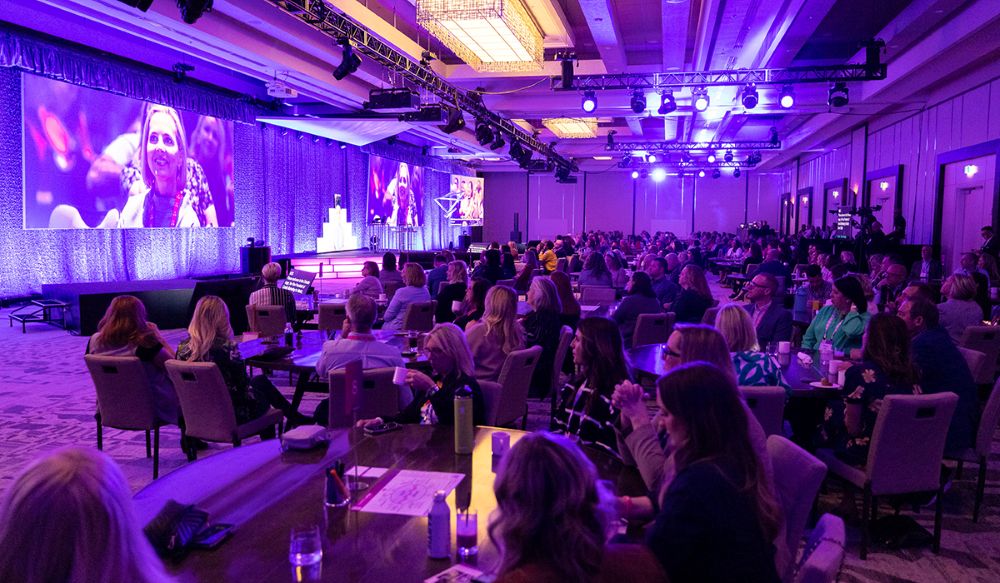
Smaller meetings aren’t about scale. They’re about significance. When designed with precision, they deliver deeper connection, stronger brand storytelling and measurable business impact. The magic happens when every detail—visual, emotional and technical—works together to create moments that move people.