



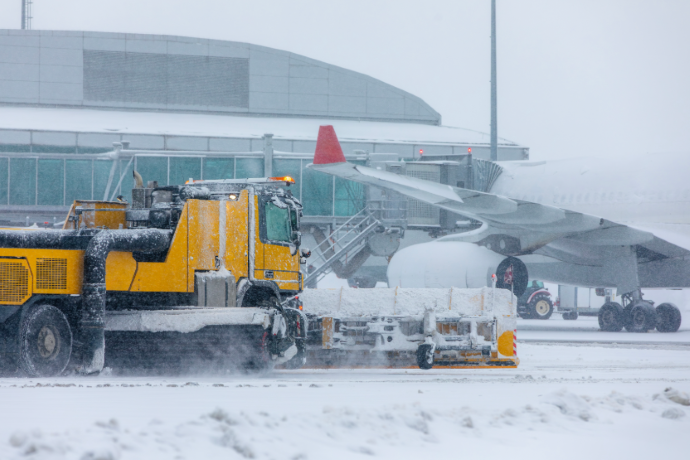
A winter storm for the ages came through the Northeastern U.S. in late February, shutting down most of the region on both February 23 and 24.
Heavy snowfall and gusty winds in Philadelphia (17 inches), Atlantic City (17 inches), New York (21 inches), Hartford (16 inches), and Boston (21 inches) brought airport closures and power outages.
But the epicenter of the storm was Providence, Rhode Island, which received an incredible 38 inches of snow between late February 22 and early February 24, the most ever for that city by at least five inches.
For the business-events industry, the good news was that none of these destinations had a citywide event in its convention center between February 22 and 24. However, there is no doubt that several hotel-based meetings in each of those cities were unable to take place due to the impossibility of travel—a force-majeure event that every meeting contract should account for with specific wording.
But that’s not all in terms of meeting disruption from this Nor’easter storm. From Boston to New York to Miami to Chicago to Dallas and elsewhere, more than 5,000 flights—about 22 percent of the entire U.S. flight schedule—were canceled on February 23. Another 3,000 were canceled on February 24.
Even into February 25, problems still remained.
In the New York area, JFK, LaGuardia, and Newark airports still had cancellations and delays on February 25, as did Philadelphia, Providence and Boston. JetBlue, with its national hub located at JFK and a major carrier into and out of Boston, was still canceling hundreds of flights on February 25.
Further, with so many airplanes stuck in the Northeastern U.S. for two days, airlines were scrambling to complete flights that did not involve the Northeastern U.S. Hundreds of cancellations and delays occurred on February 23 and 24 in Fort Lauderdale, Miami, Orlando and Tampa, while Atlanta, Chicago and Dallas each saw a few hundred cancellations.
The likely result: Travel headaches not only for attendees but also for planners nationwide who have meetings that start on the typical late-week pattern of midday Wednesday to Saturday morning.