

Many sports stadiums and arenas have multiple areas for business groups to host a memorable experience, with non-game days providing a setting for on-field activations, receptions or meals in upscale lounges and restaurants and even locker-room access.
As the 2026 World Cup of soccer is proving in the U.S., sports is such an effervescent cultural experience that it grabs the attention even of folks who are not fans. The quality of the arena, the theme and setup of an event, plus the sociable approach of the team’s ambassadors can provide memorable experiences for all attendees.
Here are some options in North America and elsewhere that can get your meeting group in the game.
[Related: 3 Big Ten Universities That Double as Meeting Venues]
Universal Appeal
“Stadium experiences work because there’s something inherently emotional about sports and being on what feels like hallowed ground, even if it’s not your team,” said Joelle Morgan, chief experience officer for Bishop McCann, one of the largest corporate and experiential-event agencies in the world. “There’s an awe that comes over people when they first step onto a field and look up at the surroundings and imagine the energy that’s generated there during a match.”
Naturally, many business-event planners might think that their group is too small to use a stadium or arena for a private event. However, “a group doesn’t have to use the whole facility. We can right-size their presence so that it feels right and is priced right,” noted Anna Nash, senior vice president of market development for Legends Global, which manages hundreds of sports stadiums and arenas as well as convention centers.
“For instance, you could take your board of directors into the home team’s locker room and have a gourmet dinner in the Hall of Fame Club with a team historian or former player, and then everyone receives a personalized jersey,” Nash said. “There are many different experiences possible, and we have different areas for those in each stadium and arena.”
Morgan added that right-sizing the space to the group allows for a powerful bespoke experience. “When we combine the emotional aspects of what stadiums and arenas can bring to people—something that’s bigger than everybody and which creates shared meaning—with a smaller space for a reception or meal event, it brings about an intimacy that has a big ‘wow’ factor.”
[Related: What is Banana Ball? Check Out the New Sport Taking the Internet By Storm]
Football and Baseball Options
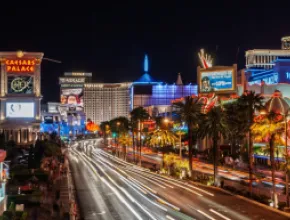
Allegiant Stadium in Las Vegas, which opened in mid-2020, was designed with business events in mind. There are at least three reception and dining spaces that are larger than 20,000 square feet, including one with bird’s-eye views of the field as well as views of the Las Vegas Strip. In addition, there are two other spaces of nearly 10,000 square feet that have direct field access, allowing attendees to have a player’s perspective of the 65,000-seat stadium.
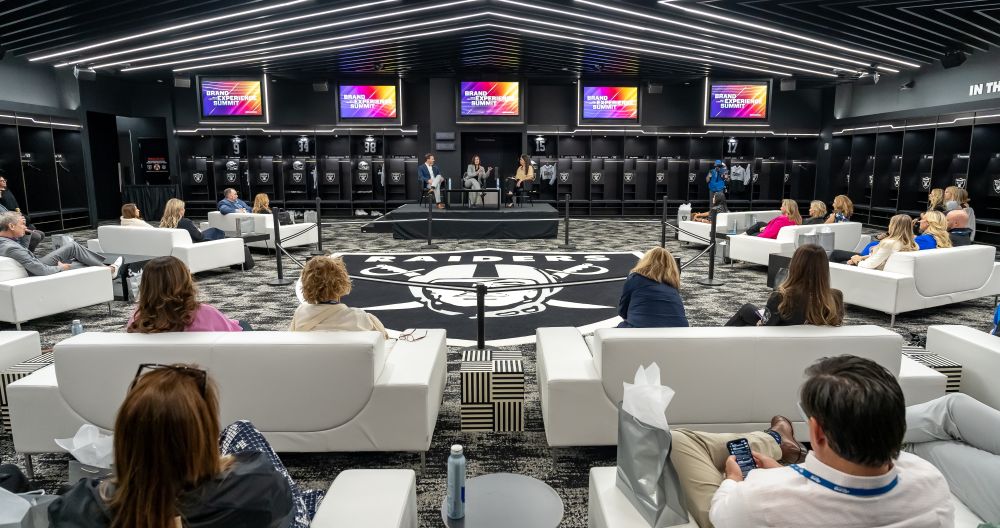
For a smaller group, the well-appointed locker room of the NFL's Las Vegas Raiders is available to host a featured speaker or panel discussion surrounded by couches and comfortable chairs, or a dinner featuring former players or coaches.
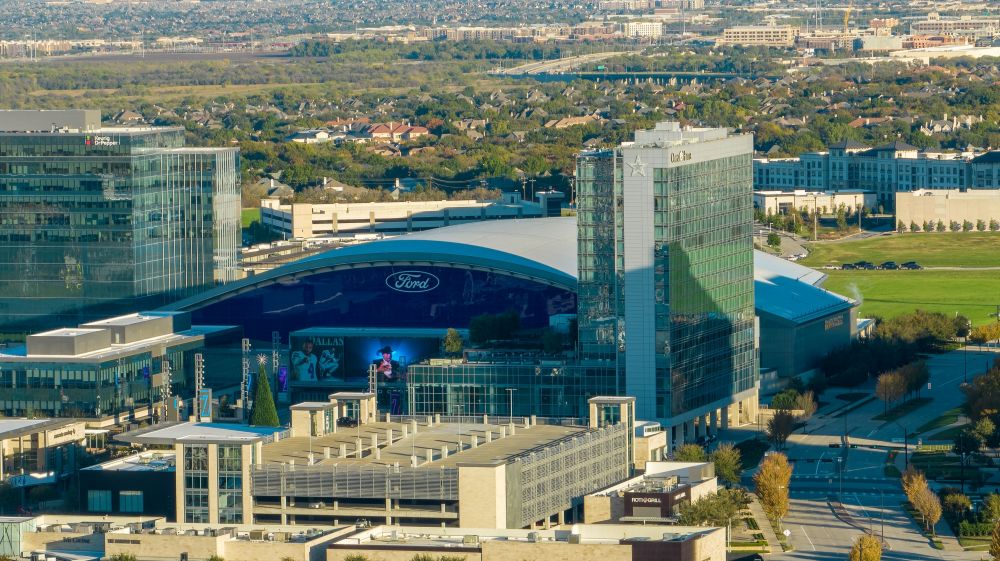
While there are other football stadiums, such as Mercedes-Benz Stadium in Atlanta, that offer such a variety of experiences, one football facility that’s unique is the practice complex for the Dallas Cowboys in Frisco, Texas.
Named The Star in Frisco, the facility includes the 98,000-square-foot Ford Center indoor practice stadium that has a 31-foot-by-57-foot LED board plus two running-ribbon boards to display live footage, a logo or a presentation. And at the entrance to Ford Center is a 29,000-square-foot plaza, also with plush artificial turf that allows for a variety of games for attendees plus F&B stations. An Omni hotel with 24,000 square feet of meeting space is right next door.
[Related: More Meetings and Events Sports Venues Content]
For baseball, there are many interesting options for meeting and incentive groups to use major-league stadiums. For instance, the stadiums in Phoenix, San Diego and St. Louis are within walking distance of the convention center and surrounding hotels, and each offers tours as well as reception and meal events both in private spaces as well as in branded restaurants with panoramic field views. And in San Francisco, less than one mile from Moscone Convention Center is Oracle Park, the home of the Giants that delivers fantastic views from field level and from reception spaces higher up that look across San Francisco Bay.
Another entertaining but scaled-down, more affordable option is to use a minor-league baseball stadium. There are more than a hundred minor-league venues across the country that could work for business groups, in second-tier cities such as Buffalo, New York; Charlotte, North Carolina; Columbus, Ohio; Louisville, Kentucky; Memphis, Tennessee; Sacramento, California; Salt Lake City and others, but also in regional destinations such as Knoxville, Tennessee; Myrtle Beach, South Carolina; Pensacola, Florida; Tulsa, Oklahoma; and others.
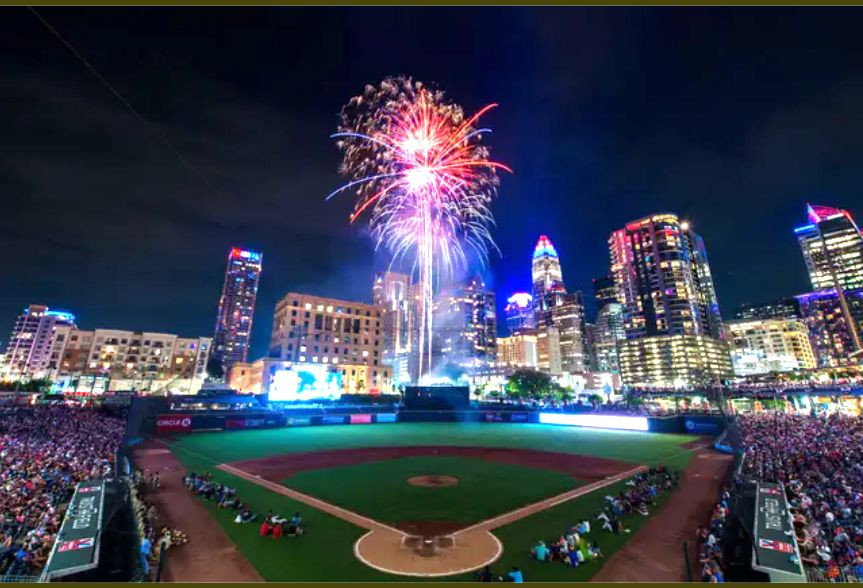
In Charlotte, the Knights baseball team plays at Truist Field, with the city skyline as a panoramic backdrop. The stadium’s Diamond Direct Luxury Lounge can host 200 for meals or 400 for receptions, and features floor-to-ceiling windows plus outdoor covered seating so attendees can take in the field and skyline view—and a fireworks show, if a group desires.
[Related: L.A. Is Taking the World Stage With Marquee Sporting Events and Venues]
Basketball and Hockey Options
Similar to minor-league baseball, many college-basketball arenas around the country combine local personality with strong fan fervor, thus matching up favorably with pro-basketball arenas when it comes to hosting an affordable themed event. Schools such as Arizona, Duke, Michigan, North Carolina, UCLA, Villanova and others are located in or near meetings-heavy cities and welcome private events to their arenas.
Then there is the College Basketball Experience in Kansas City, a 41,000-square-foot venue housing the National Collegiate Basketball Hall of Fame as well as two dozen interactive areas. Guests can dribble, pass, shoot (and even slam-dunk on shorter rims) while novices can learn the playing fundamentals from multimedia kiosks featuring famous players and coaches. Other attendees might step into a broadcasting booth and record their call of an actual college game. The facility hosts up to 1,500 people for receptions.
Hockey arenas can host fun receptions, especially in northern cities where the sport’s culture is deeply entrenched. One example: At the Bell Centre in Montreal is the 3,200-square-foot Air Canada Signature Club that opens out to the hockey rink from high above, offering full arena views. There’s also the 17,000-square-foot, two-level Tavern 1909 with 15-foot-wide television screens. An even more memorable option is a rink rental, where a group can skate on the Montreal Canadiens’ home ice while a DJ plays music and servers offer F&B at one end of the rink.
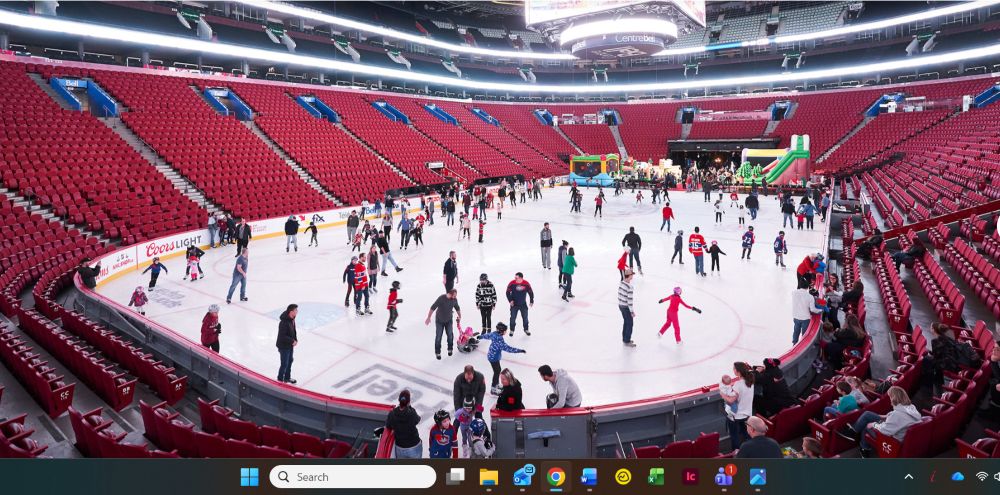
The rink-rental option is also available in minor-league hockey arenas such as those in Hershey, Pennsylvania; Milwaukee, Wisconsin; Rochester, New York; Tucson, Arizona; and other cities. Also, most arenas allow carpet to be placed over the ice so groups can have a reception right on the arena floor featuring games such as cornhole and putt-putt golf, or a formal dinner with lighting and decor.
Soccer and Rugby Options, Here and Abroad
Several mid-sized pro-soccer stadiums across the U.S. are amenable to hosting outside groups, including in Cincinnati; Portland; and Newark, New Jersey. And one of the newest venues (opened March 2024) is CPKC Stadium in Kansas City—the first to be built specifically for a women’s pro team, the KC Current.
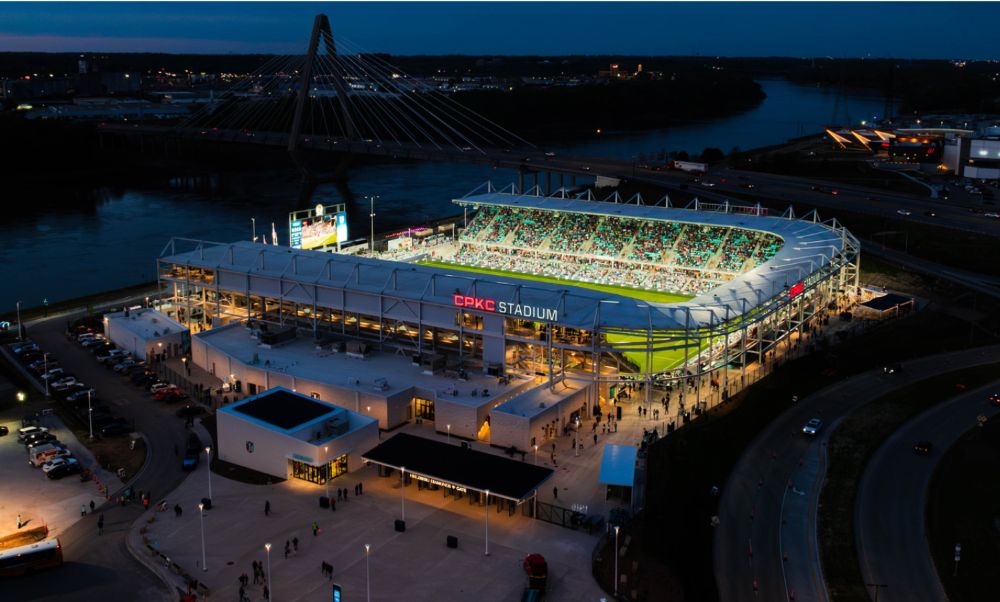
The 11,500-seat mini-stadium has the upscale Pitch Club for dinners of up to 200, the Art Deco-inspired Arvest Bank Club for up to 225, and the open-air West Sideline Clubs just steps from the grass field with catering and bar spaces for up to 300.
For larger groups, the long indoor concourses overlooking the field and the Missouri River have concession areas where bespoke food and beverage offerings can be set up. There’s also an outdoor concourse at the front gates with an upscale sports bar plus space for food trucks, games, viewing screens and musical acts.
[Related: How U.S. Cities and Stadiums Are Prepping to Host the 2026 FIFA World Cup]
Beyond the U.S., many soccer stadiums in England, Germany, Italy and Spain as well as in Argentina, Brazil and Colombia are home to high-profile teams and upscale hospitality options where a local speaker can discuss the team’s history and cultural connection to the city.
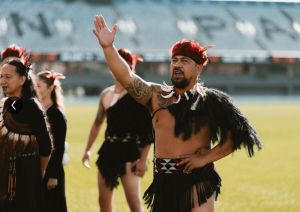
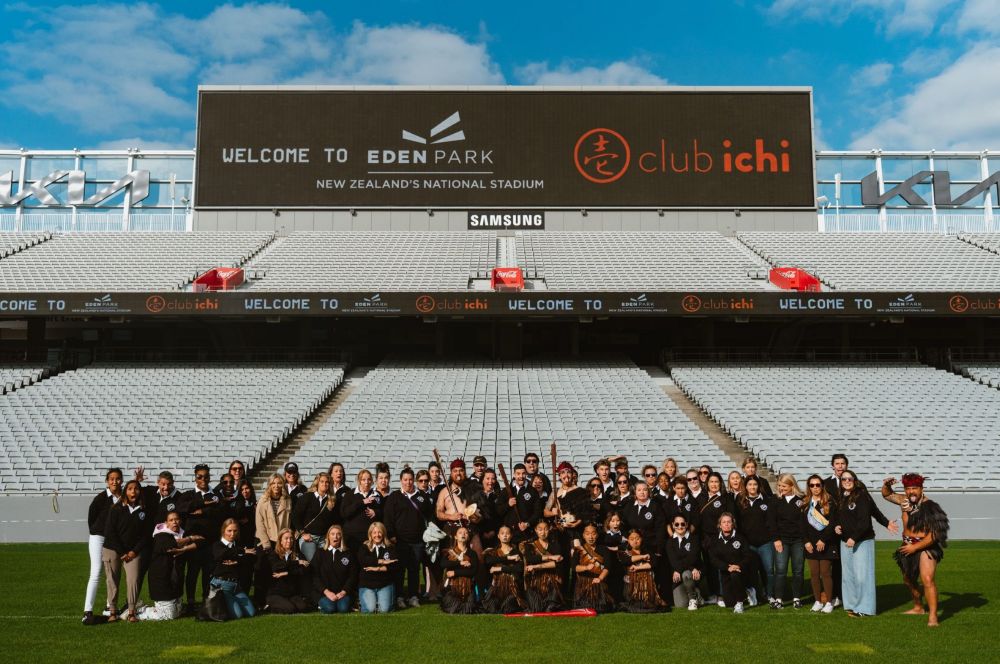
In fact, during a May 2026 familiarization trip to New Zealand hosted by U.S.-based planner-networking group Club Ichi, attendees had an impactful, up-close experience of local culture that connects with the home team.
During their visit to Eden Park, the stadium in Auckland that hosts the national rugby team known as All Blacks, the group got a tour of the entire facility—from the locker rooms to the rooftop—with former All Blacks star player Ian Jones. They received custom heritage jerseys, then enjoyed a traditional Haka and Poi ceremony performed on the field.