

High Achievement, Low Overwhelm: Choosing Alignment Over Exhaustion
Season 7, Episode 1
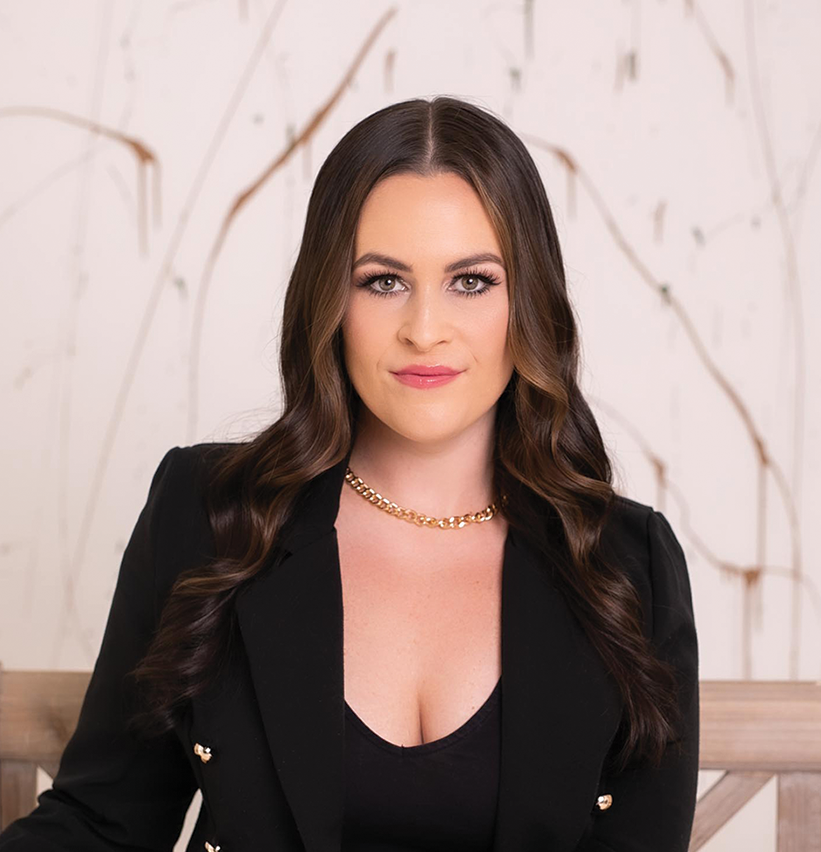
Guest: Ashlee Livingstone, Personal Growth Coach and Breathwork Facilitator
Ashlee Livingstone, personal growth coach and breathwork facilitator, joins host Courtney Stanley to unpack the realities of high achievement, overwhelm and sustainable success, challenging hustle culture and exploring how choosing alignment over exhaustion can change the way we lead and live.
Listen now:
Listen to more Dare to Interrupt podcasts: MeetingsToday.com/Dare-to-Interrupt.
Missed the last Dare to Interrupt podcast? Here it is: Likes, Comments and Leadership: Julius Solaris on Facing the Noise and Leading Boldly.
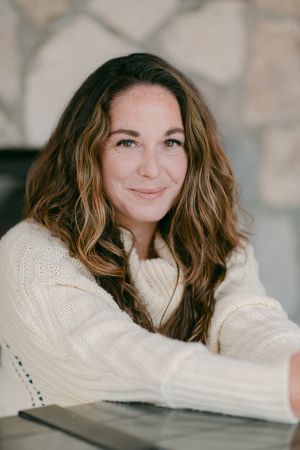 Meet Our Guest:
Ashlee Livingstone is a personal growth coach and breathwork facilitator who helps achieving women manage their stress, improve their mental & emotional wellness, and find more harmony in everyday life. She’s the Founder of The Mental Fitness Club, co-host of The Calm Collective podcast, and a trusted speaker and coach. Ashlee’s approachable and practical style helps her clients feel grounded, focused, and empowered to thrive—both at work and beyond.
Connect With Ashlee:
LinkedIn
Instagram: @ashlee.livingstone
Website
More About Our Host:
Courtney believes that transforming past experiences into impactful conversations through raw, authentic storytelling challenges the status quo, connects people from all walks of life and results in great change for the world.
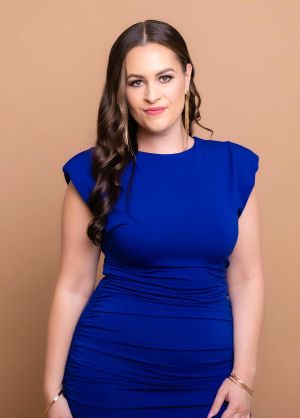
Courtney is the youngest member to have ever been elected to Meeting Professionals International’s (MPI) International Board of Directors.
She is the recipient of Smart Meetings’ Entrepreneur Award, MeetingsNet’s Changemaker Award, the Association for Women in Events (AWE) Disruptor Award, the MPI Chairman’s Award and MPI RISE Award.
She was also named Collaborate and Connect Magazine’s 40 under 40 and a Meetings Today Trendsetter.
Recognized as one of the event industry’s most impactful change-makers, Courtney serves on the Events Industry Sexual Harassment Task Force, AWE’s Board of Directors, MPI’s Women’s Advisory Board, is a Meetings Mean Business Ambassador and is the co-founder of the award-winning movement, #MeetingsToo.
Courtney was named as a 2020 Meetings Trendsetter by Meetings Today.
Connect With Courtney:
Website
LinkedIn
Instagram: @courtneyonstage
Twitter: @courtneyonstage
Facebook
Transcript:
Editors note: The following transcription was facilitated by Spotify and proofed by our editors. There inevitably will be some mistakes, so please consider that when reading. Thank you.
Courtney Stanley
Welcome back to Dare to Interrupt, the podcast where we have honest, unfiltered conversations about leadership, ambition and navigating success without losing ourselves.
I'm your host, Courtney Stanley, and today's episode is 1 I think many of us need right now.
Joining me today is Ashley Livingstone, a personal growth coach and breathwork facilitator who helps high achieving women manage stress, strengthen their mental and emotional Wellness, and create more harmony in everyday life.
She's the founder of The Mental Fitness Club Co, host of The Calm Collective podcast, and a trusted coach and speaker known for her grounded, practical approach.
In this conversation, we talk about overwhelm, why it keeps showing up even when we know something needs to change, whether it's possible to be both successful and Zen, and how Ashley's signature Calm method helps women build sustainable alignment without burning everything down.
If you've been feeling stretched thin, disconnected, or quietly exhausted, this episode is an invitation to pause, breathe, and reconnect with what actually matters.
Let's dive in.
Welcome to the show, Ashley, how are you?
Ashlee Livingstone
I am so good, Courtney.
I'm so excited to be here today.
I'm feeling energized already and we haven't even totally started.
Courtney Stanley
I know I feel like my energy just kind of peaked when we started our conversation, so I'm here for it.
You do some incredible work, and I've had the opportunity to experience some of this work that you do.
But for listeners who are tuning in for the first time, how would you describe the work that you do?
And was there a moment in your life that made you realize that this work is really important?
Ashlee Livingstone
Yeah, that's such a great question.
So I am, you know, like titles if I have to like give titles.
I'm a trauma informed breathwork facilitator and a personal growth coach.
So I really help people regulate their nervous systems, which people don't understand how much it's connected to everything we do and think.
And I help people really align their lives in such a way that their priorities and their actions and their time, it's all working together instead of misaligned and clashing with one another.
I work with people mostly one-on-one, because then people can really open up, be vulnerable, and we can get to like the good stuff quickly.
And I, when I think about like what got me into this, it was probably my very first breathwork session.
So way back in 2021, I was working with my first coach and I was like coming out of the event industry, I was super business focused.
It was give me the strategies, help me do things faster, let me figure out how to be more productive, take on more and not burn out.
That was the thing, right?
Like how do I do more and grow?
But I also didn't want to burn out.
And my business coach at the time was like, OK, we're going to do breath work.
I was like, no, no, no, I need my sales strategy or what's my client retention strategy or what's my next big idea?
Then she was like, no, we're going to do breath work.
And so I super resisted it because I was like all logistics.
I was all strategy and logistics in mind.
So the idea of like slowing down and doing something that I considered woo, right?
Because I always thought breathwork was like this, like Wooy experience.
I was like, whatever, I trust you, I'm going to do this.
And my very first breathwork experience was so transformative for me in that my mind started like repeating all my fears.
So, first of all, I was like, you don't have time for this.
You're not, you're not good enough.
Why can't you figure things out on your own?
Like you're the only one who's struggling.
Like all this, the fake stories that we tell ourselves all the time.
And then finally, the more I got into it and I like, my body started to relax into the breath and my nervous system calmed down.
It was like I started to hear my intuition and it was very much a you're OK, you're safe.
This is exactly what you need, you're not alone.
And I was really confused because I'm like, wait a minute, that doesn't sound like my voice.
And so after the session, I just was like, how do I do more of that?
Because the mental chatter that I was struggling with all the time, breath work seemed to be a break from that.
And then I actually had this like really peaceful, spacious voice that was oddly enough, cheering me on.
And it felt so foreign.
And so the more and more I did breath work, the more I was like, oh, this is exactly what I needed.
And this is what so many people need is to quiet the mental chatter so that we can get clarity on what matters to us, like what actually matters to us, what our dreams are, what our fears are and how to like, move through them, How to slow down without worrying that, like, the entire world's going to fall apart because we rested for a moment.
And it really transformed how I showed up in my business.
It transformed how I showed up in my family and my parenting.
And then I kept following those nudges and I got certified to do this work and help other people kind of go on that same journey.
And it's probably one of the best decisions that I've ever made.
I am trying to imagine what you were like in 2021.
That was one of the first questions that came to mind of like, if you had to put, you know, Ashley 2021 next to Ashley 2026 and you had to put those two people side by side, What would you say are the biggest differences mentally, emotionally, physically, even in terms of your philosophy, your life philosophy, the way that you show up every day?
Are they are they similar people or did you completely overhaul your life experience and how you show up?
Ashlee Livingstone
OK, So it's not a complete overhaul.
I, as you were saying that I could feel myself like getting kind of emotional because I really like it's when people ask questions like that that I realize how much I've grown.
I don't want to say changed because change is a little bit of a intimidating word for people, but grown.
So I can tell you some of the things that 2021 and before that, right, like all of the years before that, I was like a really, really, really quick to anger.
So like stress got to me, stressful moments being in the event industry, right?
We carry a lot, we pour so much into like we take a lot of pride in what we do.
And if you really think about the industry and what we create, you're, you're never going to make everyone happy.
And that disappointment used to stress me out.
I wanted to avoid it.
I would be defensive.
I would like to think that I was open to feedback, but I know on the inside my body was clenching.
I was like waiting for the negative, the criticism.
I felt on edge.
I was quick to judge as a defense mechanism.
I wasn't sleeping very well, watching a ton of TV, scrolling on my phone and thinking that was like me time.
I know you can't see me.
I just air quoted everyone me time.
I really, I was also my son was grade 3:00-ish at that point.
I was navigating virtual school with him because of the pandemic.
And I was just like kind of an angry person, if I really think about that.
I felt I had this story that I had to work really hard for everything and everyone else had it really easy.
And so that just like you carry, you carry a bit of a weight or like a chip on your shoulder, if you will.
I was great at my job.
I was always calm under pressure, but I was carrying it all.
So my motto was when I was doing events was I was amazing if nobody knew I existed, right?
I had done an amazing job for the client.
If everyone said congratulations to the client and nobody knew I existed, do you know how hard it is to try and be invisible, right.
So that shift, that's where I've really, I think grown is allowed myself to calm down first of all, like actually calm down, not just appear calm.
So instead of being quick to anger, I can feel in my chest when tension or frustration or disappointment is brewing and my body now craves a deep breath instead of quick with the tongue.
My body is so clear and regulated that the ideas actually come to me so easily.
I can respond instead of just react.
And I know in events, quick reaction and quick decisions was like a point of pride for me, but it was still very like I was still a tense situation, like my nervous system was on edge, like ready to jump in.
And I can still respond, but it's so much more thoughtful.
And the relationship with my family is so much stronger because I'm not freaking out all the time.
I'm not running around like a little Hummingbird or, you know, like fluttering from one thing to the next.
Everything is a very thoughtful and meaningful and there's like created this, you know, we were talking about this before, like this safety I have with myself that now kind of opens up and allows me to be a safe space for other people too.
And I don't think Ashley from the 2021 and before that would have been that if that land.
Courtney Stanley
Yeah, no, I think that's, I think that this adds so much context, you know, and I think one of the things that stuck out to me the most was you expressing that you've become a safe space for yourself.
I'm not sure that the majority of people that are walking this Earth would be able to describe themselves that way because of things like autopilot and chronic stress and a numbness that they have to the feelings that they could be in touch with, you know, that are manifesting within their body when things happen.
So, you know, the context is really helpful.
And, and where my head went was, you know, if there is somebody that's tuning in right now and they're they're feeling that they can relate to 2021 and prior Ashley, where they're feeling stretched thin, They're feeling maybe disconnected from self.
They're feeling burned out.
They're feeling quick to anger, but they don't know where to start.
What is the first question that they should be asking themselves in that moment?
Ashlee Livingstone
I think what they should be asking themselves is not so much what do I need to do?
Like how do I want to feel?
And I often will start with my clients asking them, this is how do you want to feel?
Because the way most of us are feeling and you kind of named it is, is numb or like we're trying to avoid feeling anger or sadness or frustration or anxiety.
We're trying to avoid stress.
And when we numb ourselves from all the like, quote UN quote bad unwanted feelings, we numb ourselves from all the good enjoyable feelings as well.
So we can't feel anything.
Numb is numb.
Numb isn't like sometimes numb.
So how do you want to feel?
And if one of your feelings is I want to feel calm or I want to feel free, I hear free a lot.
I want to feel happy.
Then creating some space for yourself to actually understand what does that look like for you?
Because 2021 Ashley would have said that she wanted to feel calm and capable.
I think that was like a big one.
I wanted to feel capable and to me it was like really hard to understand how to do that because my mind was running so fast.
It never had any space.
And breath work, more so than meditation or anything else I had tried before, was helpful because it let my mind focus on one thing, which was breathing, whereas meditation tells you to clear your mind.
That's like that was impossible for me clearing my.
Courtney Stanley
Same girl, the same.
Ashlee Livingstone
Like what do you mean you don't want me to think about something?
Because now I'm thinking about not thinking about something.
So but breath work, I always tell my clients, think about breathing, think about the breath coming in, think about the breath going out, think about it coming back in.
Like when your mind wants to travel, all you have to do is think about the breath, and then you are in that present moment.
And the more you practice that, the more you train yourself to be here now and to notice and give space for what is being felt or what your dream actually is so that you're not on autopilot.
Do you think it's possible to be both high achieving and successful and also calm and free?
Ashlee Livingstone
Yeah, 100%.
Courtney Stanley
Because it feels like it, it almost feels like a path that you have to choose.
You know, even if we look at the dichotomy, dichotomy of 2021 Ashley versus 2026 Ashley, it's like we had somebody who felt that the priority or the goal was to be capable.
And I'll just add some other words in here just for kind of the general public successful hard working scene, we're going to go a little bit different in a different direction there.
Scene awarded, rewarded, recognized.
So there's kind of that like external success factor that a lot of people who are high achieving are looking to accomplish.
And then if we go to kind of the internal, it's is there space to be that and to feel calm, Zen, free and happy?
Can you do both simultaneously?
Ashlee Livingstone
Yeah, and I think that now I've surrounded myself by women who are doing both and like from my own mentors to other groups that I'm a part of, to the women I'm coaching and, and myself, right?
I, I now see how being seen is not so scary, right?
And being seen is like, how do I see myself?
How do I show up authentically?
Not an Instagram worthy version of myself.
How am I showing up where you get what you get with me?
And you know, when you ask, like how much I've changed.
Like I'm still sassy, I'm still a little fiery.
I'm loyal.
I tell it how it is.
And that's always been like, there are some core pieces to me.
And the one of the things I think is great is like people know me how I am with my clients and how I show up in groups and how I show up with my family.
I am the same version of me.
I don't have to fake, I don't fake anything.
And that is one of the biggest pieces of success for me.
Now my business is thriving, right?
I get to create huge impact for clients and the more people understand the value of the work, the more they're coming in and participating in it.
My flexibility has completely shifted because I have really strong boundaries now and I get more done because I'm regulated.
I'm not making as many mistakes or having to redo or having to perfect anything because that those old stories I've let go of and.
I'm more regulated, so doing it once right is better than rushing through it and having to fix everything.
So you know what I mean?
Like no one, we're so wound up and we're rushing through everything.
Courtney Stanley
Yes, all the time, every day, like I feel like that it's and maybe I'm asking this questions like.
Ashlee Livingstone
I'm so hum.
Courtney Stanley
Yeah, yeah.
It's I may be asking this question for my own benefit too, because I feel that sometimes there are days where I have to choose.
I have to choose between rushing and being, you know, doing all the things and, you know, doing the most and being the most productive and being able to serve, you know, every client, every relationship, every family member and myself.
And then I have to switch and do a 180 and take time to just have some me time, have a moment to breathe and take, you know, that space.
But it's, for me, if it does feel so extreme where it's, it's either one or the other and it's, it's, it feels hard to blend at times, especially, you know, right now I'm coming off of attending PCMA convening leaders.
Any industry conference is always going to be busy from sunup to sundown and far beyond.
And it's, it's great and it's rewarding and it's also exhausting.
And it's, I think that's where my head is at as well, where, you know, I was on so hard for 3-4 days and then you come home and you just crash.
But then you feel guilty for crashing because you know, there's so much to do and there's so much to catch up on.
Whether it's actually, you know, having your normal home routine in place or it's catching up on all the emails and everything that's been waiting while you've been rushing through the past four days.
So I personally find it difficult I think to really createspace for both when 1 feels so much more urgent.
Ashlee Livingstone
Feels urgent.
That's the keyword our brains in life, society has created fake senses of urgency and it's like the instant gratification and it's also the fake urgency.
It's like, well, I have to have it now, but you don't it, well, this is due right now, but it isn't.
And what we haven't often been taught, especially when we are so stressed.
And this is what I talk about when, when our systems are so tight and reactive, we only react.
We think everything is urgent when we can respond and we have that calm or more space.
But in between the stressful moments, our brains can actually prioritize we One of the things I teach my clients is creating healthy habits that serve you no matter where you are in your life.
The biggest areas that people end up quitting or like putting their, their habits that actually help them during the day and during the week is things like work trips, vacations for those that have kids.
It's like spring break, school break, all of those breaks, people are like, oh, great, I get to take a break from my healthy habits.
And it's like, but your healthy habits help you.
So when we skip things like our morning routine or we skip things like our movement or our water or, you know, taking time to breathe, like it doesn't have to be an hour long session.
You can achieve regulation in 5 minutes.
When you skip your bedtime and you just overwhelm your system with all of the things that don't support you and you leave no space for any of the stuff that does.
That's why we are like hustle, This is my life.
Yes, This is why we're going to talk offline.
But this is where I, I want that like steady momentum.
And that's what I really try and teach my clients is how to not have to quit your life or blow up your life.
It's about how to build sustainability into your life.
Let's talk about that because I know that you created your signature calm method.
CALM method.
Courtney Stanley
Walk us through what that stands for and why you think sustainability is really the missing piece for so many people who are trying to quote, UN quote, fix their lives.
Ashlee Livingstone
Yeah, yeah.
So my calm method starts with being centered, right?
So C stands for centered.
This is where we incorporate some breath work.
We start to understand what is going to best support your nervous system, right?
You might hate breath work, but you might love going for a walk.
That's OK, as long as it helps you regulate your nervous system and it helps you feel grounded and centered.
Once you have a practice in place where you know that in any moment you can get your center back, then we're good to go.
And I say that because, you know, for folks in the event industry, when the client changes their mind at the very last second or your guest speaker decides that they're going to be an hour late or something happens, we need to be able to center ourselves before taking that next step.
As we're recording this, it is a snow day here.
Everything shut down, schools are cancelled.
Like literally can see my kid running back and forth in the window in front of me, right?
And it's just like, that's fine.
It's OK.
So having your practices to help you feel centered no matter what's happening.
OK.
Then the A stands for aligned.
That's when we start to really get clear on what our aligned priorities are.
So we might be in a season where business is a big priority.
I have a young family, so for me, my son is a priority and my physical health is a priority.
I'm not going to add 20 other priorities to my list.
These are my top three that matter most to me right now in this season.
And so I start to align my time, my energy, my focus, my effort with my top priorities.
But you can see how when I'm not centered and not grounded, it's hard to sort out what I feel might be my priorities, what feels urgent versus what actually is.
And then L stands for lighten or let go.
This is probably my favorite part.
It's when I get to show people how you can actually remove things from your calendar and the world doesn't end.
You get to let go of commitments that no longer serve you, people that aren't supporting you.
You get to let go of stories that actually just keep looping in your head and aren't moving your life forward.
So in this letting go phase or Lightning, I'm showing my clients how you actually don't have to do it all to be successful.
And this is where we create so much space, right?
Capacity and all of a sudden things start to click and then the M stands for move forward, right?
That momentum where now you're starting to put into practice these like your daily habits to be centered, the constantly checking in, am I aligned my actions aligned with my priorities?
What am I letting go of, right?
What boundaries am I holding?
And we're doing this on repeat and that helps us create a lot of sustainability or that what I call like work life harmony where things just flow and and then we just like keep rinsing, repeating.
Courtney Stanley
I can imagine why the owl, the Lighten and the let go would be your favorite.
I feel like that would be everyone's favorite.
Or they can just release any of the overwhelm and the heaviness and the misalignment and the distraction and all of those things in order to move forward.
This this is the first episode of this season for 2026.
What is 1 powerful shifts that women can make today or people can make today using the calm method that doesn't require a total life overhaul put.
Ashlee Livingstone
5 minutes on the calendar for yourself?
Like 5 minutes isn't that long.
I guarantee you, you scroll on social media or you second guess how long it takes you to reply to an e-mail or a text message.
You spend more time doing that.
You can take 5 minutes to follow your breath and just try it and see how maybe weird it feels at first, how good it feels to take some really deep breaths, how your body responds to it and let that peak your curiosity of how do I do more like this right?
How do I incorporate more centeredness in my life?
Courtney Stanley
Yeah, I was going to say, it sounds like the C for calm.
This is the centering.
So you're.
Ashlee Livingstone
We have to start there.
Courtney Stanley
Yeah, yeah.
I feel like it would be best to put this in the middle of the day.
And maybe that's wrong, but I feel like for me and for a lot of people, you know, the day sometimes can start off peaceful.
You wake up, you feel rested.
Hopefully you kind of get into any morning rituals that you have, whether it's coffee, gratitude journaling, or just checking your emails or even scrolling on Instagram might feel calming and centering for you at the very beginning of the day and then the day.
Ashlee Livingstone
Takes.
We have a different algorithm then.
Courtney Stanley
Yeah, depends on the algorithm.
It definitely depends on the algorithm.
But then the day takes off and you step into that, you know, productivity, momentum rush, possibly overwhelm, depending on kind of what's on your plate for the day.
So intuitively, it feels for me that I would put this in the center of the day.
But do you have recommendations for when people would calendar this 5 minutes?
Ashlee Livingstone
Yeah, I think you make a good point.
So what I want to say is everybody's different, right?
Some people have a challenge.
Don't wake up feeling calm.
Like maybe your kid has come into your bedroom and screamed in your face and that's how you woke up in the morning.
Maybe you didn't sleep well.
So it's really thinking about like, what do you need?
And you can do this multiple times throughout the day.
I tend to start my day with about, excuse me, 10 minutes of intentional breathing to set the intention for my day.
And then throughout the day, if there are moments where, oh, maybe I'm nervous to go on like a sales call or I'm about to host a workshop and I can feel that like nerves brewing, I'll do, you know, a quick 2 to 3 to 5 minutes.
I also know a lot of people who work outside of the home and when they come home, they want that 5 minutes to shift their energy so that they can release work and be present with their family, right?
We don't want to bring the drama from our day and have it hijack the time that matters most to us.
And then I know others who use it right before bed.
Breath work before bread bed can be one of the best ways to fall asleep and stay asleep at night.
So my guess my response to that is try it out in various parts of your day and see where it has the biggest impact for you.
Courtney Stanley
I think that's great advice.
Yeah, 'cause you're right, everybody's day looks different, and each day may also be different from the one prior, so.
Ashlee Livingstone
That's what I was like, right?
Isn't that that like life is like a box of chocolate so you never know what you're?
Courtney Stanley
Gonna get.
Gonna get.
That's right.
Ashlee Livingstone
So breathe your way through it.
Courtney Stanley
So for people who they're loving, what they're hearing, they feel seen, they feel that they can relate to a lot of things that we're talking about here and they want to make a change.
They want to implement, you know, this 5 minutes or even more throughout their days.
If they want to take it a step further and they want to do a little bit more intentional work around restructuring their life.
I know that you offer something called a life alignment session, which is something that I'm excited to do next week with you.
I think it's next week.
You say that these sessions provide really powerful insight into somebody's life.
What typically comes up for people in these sessions that surprises them the most?
Ashlee Livingstone
So I just had a client say this and it's so it's fresh on top of my head, she said.
Her biggest aha was that the things she say, the things she says, sorry, our priority show up nowhere in her calendar.
Courtney Stanley
That feels familiar.
Ashlee Livingstone
It wasn't you, Yeah.
Courtney Stanley
I'm like that feels really.
Ashlee Livingstone
Familiar.
It wasn't you.
I promise.
It's literally in my Instagram.
I just did a workshop last week and I was like, oh, what's your take away?
And that was what she was like.
I keep saying these things are a priority to me, but I've made no space for them.
So that tends to be what comes up for people and what I like from the life map from my like logistical brain and my I need proof brain.
Is it a visual?
It's not all just how we feel.
So you.
Courtney Stanley
Put you put together a life map for each person that you work with.
OK, OK.
Ashlee Livingstone
So you take an assessment and then it generates this map for you and you can see like we see it face to face.
What is in alignment?
Like where do you feel really strong and positive in your life?
Or you're just like, yes, this and where are we not quite there?
What is out of alignment for us?
What is those moments that are keeping us up at night or there's a pain and we just can't put our finger on it?
The map helps us put our finger on it.
It takes away that second guessing.
It can show me what is time in time alignment, what is happiness?
Where are you losing energy?
And then I can create this like really cool plan for you based on your top two to three priorities that when you take aligned action and let go of the stories, you can make the biggest impact on your overall life, right?
It's not about changing 1314 different things in your life.
It's about honing in on two or three that are going to have the biggest impact on how you feel and how you show up in your life.
And then that has a ripple effect that just makes you kind of unstoppable.
Courtney Stanley
I mean, I can't really think of a better way to start the year, so I'm excited for my session.
If somebody else wants to learn more information about signing up for a life alignment session with you, how would they do that?
Ashlee Livingstone
Yeah, I have them all on my website or you can reach out to me directly.
They're on Instagram or e-mail right now in January.
So depending on when you're listening to this before January 31st, I have an amazing special on these sessions because I agree, starting the year off this way is so helpful.
So right now I'm offering them for 225 S.
Regular price is 555 S.
You're getting more than 50% off and you get the assessment.
You get 90 minutes with me to go over it and then your own custom road map that you can start taking action on and that's on till January 31st.
It's on my website.
And yeah, if that feels aligned for you or, and you're listening to this thinking how do I get some of that?
That's how.
I love it and if you we've talked about so many different things today, but if you could share one final piece of advice with the people who've tuned in, what would you want them to walk away with and either remember or apply?
Ashlee Livingstone
The voice in your head that is challenging this entire episode, the voice in your head that is saying like, Nah, you're not like that or you're just your life is busy.
This is just how it is.
You can't change anything or she doesn't understand.
That's just the stories that are programmed in your brain to keep you safe.
And I promise you there is a different voice within that.
So much more quiet and peaceful and kind and compassionate.
And she wants to see you thrive so you don't have to keep just running on autopilot until the season ends, because the season kind of never ends.
Courtney Stanley
Right, Amen.
Ain't that the truth.
Ashley, Thank you so much.
This was so great to hear more about you and the work that you do.
And thank you for sharing so much knowledge and wisdom with us today.
Audience, of course, thank you for tuning in.
Share what you learned from this episode with us on social media by following at meetings today and at Courtney on stage.
And be sure to never miss an episode by subscribing to Dare to Interrupt on any major podcast platform.
Createspace for yourselves, connect with your breath and keep daring to interrupt my friends until next time.