

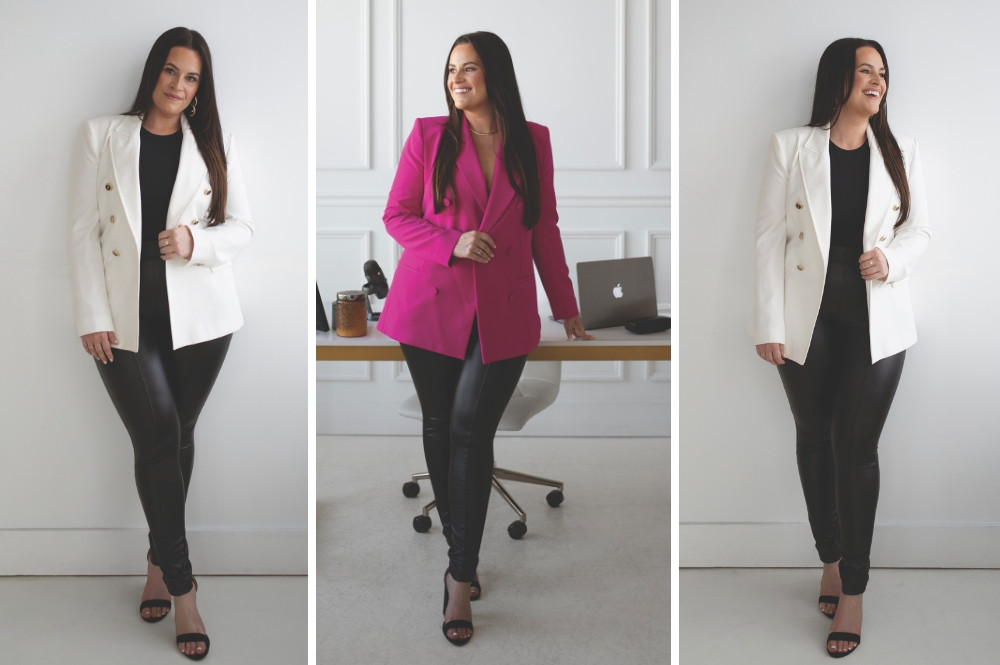
When it comes to empowering women in the meetings industry, Courtney Stanley, host of the Dare to Interrupt podcast (produced by Meetings Today), is a force of nurture.
Since taking a leading role amplifying the challenges of women in the industry by co-founding the #MeetingsToo movement in 2018 with Soliman Productions’ Sarah Soliman, Stanley seized that momentum to launch her Dare to Interrupt podcast in 2020.
[Related Podcast: Courtney Stanley on Women's Empowerment in the Meetings Industry]
Featuring empathetic, yet challenging, interviews with women thought leaders (and one with a man every December), Stanley recently celebrated the pod’s seventh season.
In recognition of Women’s History Month, we sat down with Stanley to gain insight into her experiences as a voice for women in an industry that is approximately 80% female yet with women still underrepresented at the executive level.
Following is a Q&A culled from that Meetings Today Podcast conversation, which is available at meetingstoday.com/dare-to-interrupt.
Listen to Dare to Interrupt Podcasts: meetingstoday.com/dare-to-interrupt
Meetings Today: How did you get into the meetings industry?
Courtney Stanley: In college, I was lucky enough to have a hallway conversation with a fellow student who was doing an internship in Ireland for the summer, throwing events at a castle. To a 19-year-old, I don’t know if there’s anything that sounds better than that.
So, I actually ended up switching my major over to event management, international tourism and business hospitality. I was really, really lucky that I had a phenomenal professor, Dr. Lorie Tuma, who introduced me to the world of networking and professional associations. She was the one who really plunked her students into MPI, and that’s where I began to learn the industry and meet people that today are still really, really good friends.
Tell us about how you and Sarah Soliman launched #MeetingsToo.
This was when the #MeToo movement had surfaced and there were a lot of different stories that were coming out in the news, specifically in Hollywood, and it led to a variety of conversations, not just with Sarah, but with other women and men in the industry about their own experiences.
There had been a number of incidents that had occurred with both Sarah and I in our industry, whether it was onsite at events, networking events with clients or on volunteer boards and volunteer positions within chapters and committees. We realized that there was a whole lot of inappropriate behavior that was happening behind the scenes.
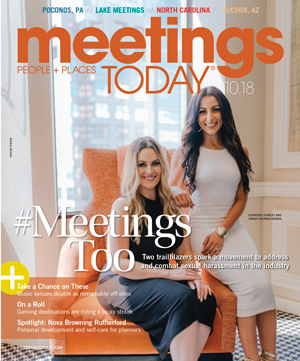
[Related: Two Trailblazers Spark a Movement to Address and Combat Sexual Harassment in the Meetings Industry]
Quite frankly, [these issues] weren’t being discussed, and if something’s not being discussed, then there’s no opportunity to create a solution. So, it went from a conversation that Sarah and I had opening up about our own experiences to, “OK, what do we do about this?”
We decided to create different types of educational programming and trainings for meeting professionals to create safer events and also reporting systems for any conference, any meeting, any networking event, so they had plans in place to be able to address any issues or prevent issues that could possibly arise.
[Related: #MeetingsToo: A 10-Step Action Plan to Fight and Address Harassment]
What kinds of conversations are women finally having in the meetings industry now that they weren’t having before?
I’ve been in our industry for about 15 years and have experienced more vulnerable conversations in general [lately]. Whether it’s talking about stress management or burnout prevention, or we’re just being incredibly open about things that are going on in our lives because we are human beings—we’re not just worker bees.
That’s a really positive shift that I’ve seen occur, and I think we’ll see a lot more of it, especially with younger generations that are coming into these workspaces who don’t have the same tolerance for some of the lack of work-life balance that we’ve seen in the past. I think there’s going to be a lot more advocacy for taking care of ourselves as people first and workers second.
[Related: Changemakers: 6 Women's Journeys to Becoming Hotel General Managers]
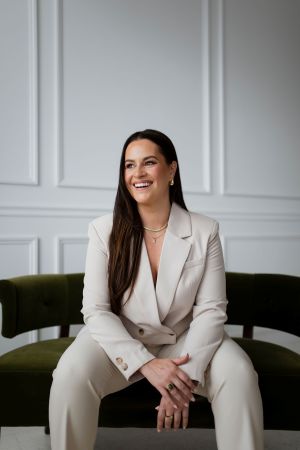
You talk a lot about imposter syndrome on your podcast, and that you are frequently filled with doubt. Can you explain?
I still suffer from imposter syndrome, and I think anybody who’s trying to grow or to level up in any kind of way will experience some kind of intrusive thought or inner critic or self-doubt. I don’t think it’s something that ever completely goes away if you’re willing to grow and willing to change.
But two things really come to mind. The first is that it’s really important to surround yourself with people who remind you of who you are. Having a village to support you and to remind you who you are is one of the most important ways to push forward. In addition to that, imposter syndrome can really only be resolved if you’re willing to continue doing the thing that scares you.
You’re gearing up for this year’s Women to Watch Awards. What inspired it?
I founded the Women to Watch Awards program in 2021 to create an opportunity that not only celebrated women during Women’s History Month on International Women’s Day—when we always announce the recipients of the award—but I also wanted to give women an opportunity to be amplified. In our industry specifically, so much of the work that people do is done behind the scenes…and so many people in our industry don’t ever have an opportunity to be recognized by their peers.
[Related: Nominations Now Open for the Events Industry’s 2026 Women to Watch Awards]
The Women to Watch Awards is a peer-nominated program. It’s not a popularity contest. It’s not how many votes can I get. It’s not pay-to-play. It’s an opportunity for people who are on the ground, working side-by-side, to say, “This woman has made a difference in my life. This woman has impacted her community. This woman has inspired me or has mentored me, or I’ve watched them grow and I’m so proud and this is her story.”
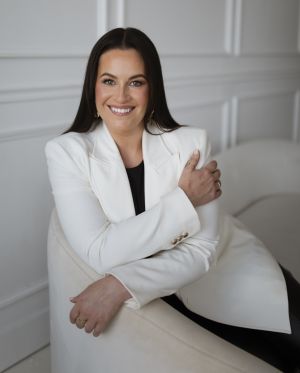
How do you hope women feel when they encounter your work?
Like they can do anything and that they have the support around them to do it. I really think confidence is such a gift, and I think it’s something that we learn and we build as we continue to take risks and not know the outcome.
I also believe that confidence is something that occurs and grows and develops when we do fail and when we fall down. Let yourself take those risks. Let yourself be open to learning. Let yourself be open to growing and know that you can do anything, and if you’ve got the right people around you, you definitely will be unstoppable.
[Related: A Multi-Generational Look at Women’s Leadership Journeys in the Meetings and Events Industry]
Courtney's Fave Dare to Interrupt Episodes
The following four episodes of Courtney Stanley's podcast Dare to Interrupt were intentionally selected by her because they demonstrate leadership without armor: choosing courage over comfort, defining success on your own terms and having the bravery to confront hard truths while supporting other women along the way.

Stop Box-Checking: High Achievers, People-Pleasing and Rediscovering Your Authentic Goals
Guest: Devon Montgomery Pasha, Emcee and Chief Experience Officer, DMP Creative
Devon shared how it’s easy to lose yourself chasing what others expect, and that true fulfillment comes from defining your goals, not checking boxes for everyone else. She helped me see how people-pleasing shows up as “goals” that aren’t really mine. It’s about letting go of the need for approval and making decisions for me: my values, my ambitions, my life.
Live Out Loud: Owning Who You Are, as Defined by You
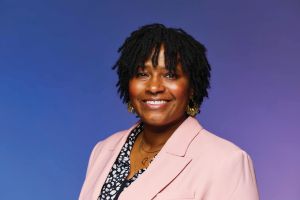
Guest: Zoe Moore, Strategic EDI Consultant, Moore Consulting Agency
Zoe inspired me as she spoke about how beauty and confidence aren’t things to fit into; they’re things you define for yourself. She talked about challenging the narrow, media-driven standard of beauty and instead embracing who she truly is. She reminded me that showing up authentically and owning your identity gives you the freedom to live out loud as your real self.
[Related: Meetings DEI Leader Zoe Moore Is Advocating for ‘Social Sustainability’]

Shedding Light on the Darkness: Pulling Back the Curtain on Toxic Leadership
Guest: Dr. Brandi Baldwin, CEO, Millennial Ventures
Real leadership isn’t about comfort, approval or protecting your image. It’s about choosing courage when it may come at a cost. Hearing Dr. Brandi Baldwin say, “Forget my money. Forget my reputation” when calling out unethical leadership reinforced that integrity matters more than optics. Unapologetic leadership means speaking up, holding power accountable and doing the right thing, even when it comes with risks.
You Can Sit With Us: Standing Up to Mean Girls, Sitting in Discomfort and Honoring Your Boundaries
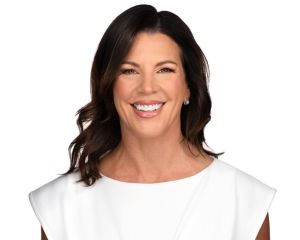
Guest: Lisa Messina, Chief Sales Officer, Visit Orlando
Lisa’s message was that standing up for yourself isn’t optional when someone’s behavior crosses a line was empowering. Her vulnerable story about workplace bullying reminded me how courage isn’t about comfort, it’s about confronting the uncomfortable. Showing up with transparency and addressing problems head-on is how you create respect and real change.