


One would be hard-pressed to find a more resilient bunch of folks than those from Western North Carolina, who leaped into the fray in the aftermath of September 2024’s Hurricane Helene to help their neighbors any way they could, from chainsaw-strapped rescuers on horseback to at least one report of a skid loader being pressed into service to scrape access roads wiped out by the calamitous flooding.
[Related: Asheville Is Fully Back in Business One Year After Hurricane Helene]
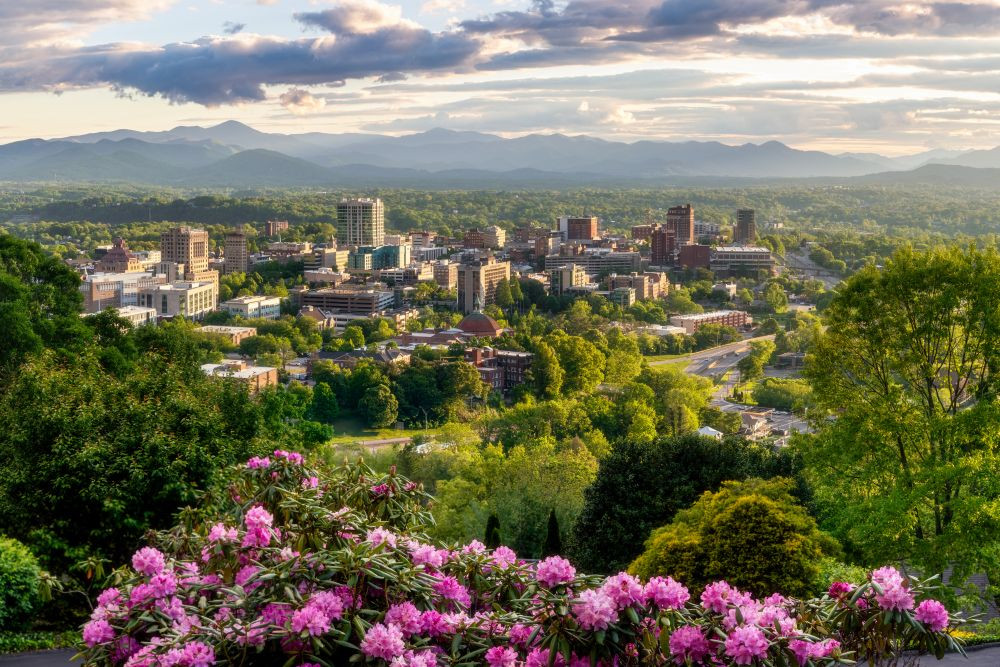
But while Western North Carolina’s primary meetings destination, the Blue Ridge Mountains town of Asheville, is back to normal operations, the memories of how the community chipped in endure.

“That grit, gumption and fortitude of Western North Carolinians, or Appalachian people, if you will, was prevalent in the hours and days following the storm and is still prevalent today,” said Vic Isley, president and CEO of Explore Asheville. “And 2026 is not just about recovery, it’s about rebounding.”
Meeting and hospitality professionals have taken a key role in helping Asheville not only get back on its feet, but thrive.
“We’ve had sales team members who have been calling on Home Depot for years in Atlanta, both their corporation and foundation, and following the storm, [Home Depot] booked a spring meeting and a fall meeting,” Isley said. “We had Southern States [Spring Kickoff] here in January. We’ve had American Wood Protection Association. We have the Aspen Institute coming this spring. Meeting planners and organizations have not only answered our [sales] calls, but have come to us saying, ‘We want to be a part of your comeback.’ It has been truly inspiring and meaningful to the community.”
Isley said Asheville’s sports meetings clients have also come through, with the Southern Conference Basketball Championships set for March 5-9 at Harrah’s Cherokee Center. Both the men’s and women’s basketball championships have committed for a decade, in fact.
“Last year we added their wrestling championships and this year they have doubled down on Asheville in terms of moving their Hall of Fame induction event and business symposium to Asheville,” Isley said, adding that the NAIA Outdoor Track & Field National Championships are on tap for May 2026 and 2027 at UNC Asheville.
[Related: Explore Asheville Names New Vice President of Business Development]
Asheville MICE Numbers Booming
Support for the destination via MICE bookings is indeed on the uptick, with meetings and group travel booked through Explore Asheville and the Buncombe County Tourism Development Authority generating $67.4 million in direct spending, a 35% increase over 2024. According to Explore Asheville, its team secured 477 events and groups, a 15% rise, while group room bookings grew 39% to 115,393 room nights across participating lodging partners.
Explore Asheville shared the following stats generated from the DMO:
- The economic impact of non-repeat business FY26 through the first week of
- February 2026 compared to the same period last year is up 35%.
- Repeat business economic impact is up 135%.
- FY26 is currently up 35% for booked repeat and non-repeat business combined.
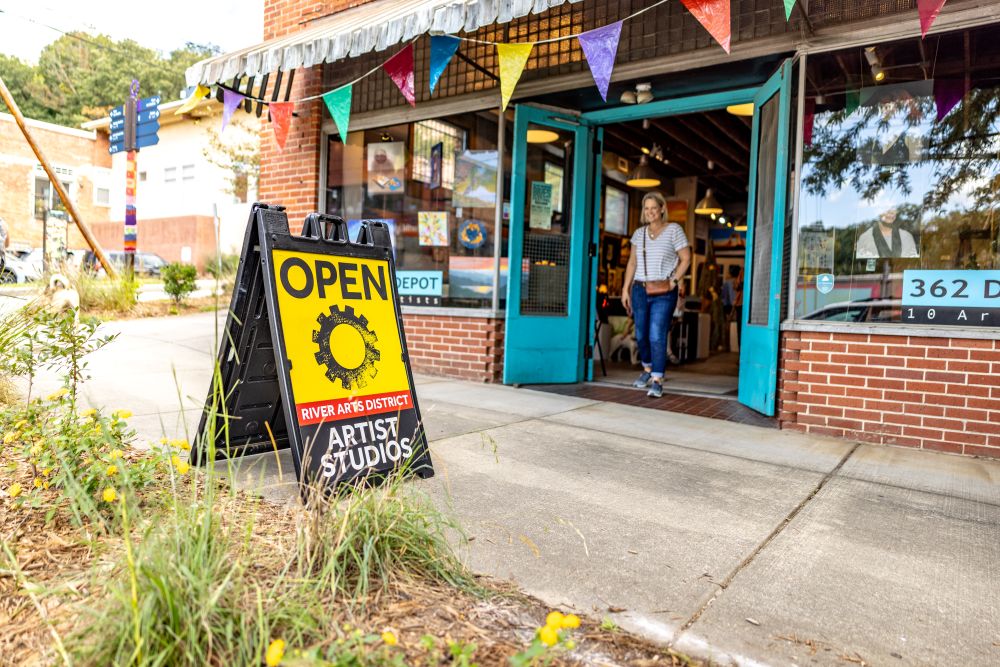
Asheville Hospitality Community Pitches In Following Hurricane Helene
In the wake of the storm, members of Asheville’s hospitality community pitched in to serve groups’ immediate needs as well as rebook for future dates or cancel, as the hurricane obviously qualified as a force majeure event.

Jamie Tudico, market director of sales at McKibbon Hospitality, an Asheville hotel veteran who currently represents downtown’s Moxy Asheville, AC Hotel Asheville Downtown, Aloft Asheville Downtown and Kimpton Hotel Arras, initially worked out of her home, as did the six members of her sales team.
“Luckily, none of us sustained any major damage or loss of property, or worse,” she remembered about the immediate aftermath of the hurricane. “We did not have contact with each other until we all made our way to the Moxy Hotel on the Monday following the storm.”
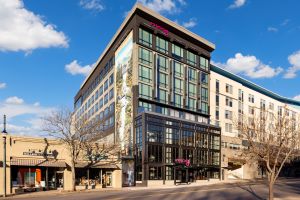
After touching base at the Moxy—which had just opened earlier that month—the decision was made for staffers to return to their homes, with key people having to relocate out of the area to secure a stable internet connection.
“None of us had power or water or any of the necessities that we take so luxuriously for granted nowadays,” she said. “I actually vacated the city so I could get internet connectivity and get back online and make contact with my customers. We were headed into October, which is our busiest season not only for leisure travel but also group travel, and we had more than a quarter of a million dollars booked into October.”
[Related: More North Carolina Meetings News]
Tudico, who temporarily relocated to Atlanta for better connection with clients, said some programs were rebooked as far out as October or November 2027, as they had already made plans for 2025 and 2026. New group bookings also came in, in response to the crisis.
“It’s been very, very heartwarming and inspiring in the year since that groups that were not even previously scheduled on the books have reached out to us and chosen Asheville as their destination simply to be part of the comeback,” she said, adding that the storm thankfully had minimal impact on the destination’s downtown properties.
“The downtown area was largely not affected, so we were open for business fairly quickly after the storm,” she said. “We got our water back in mid-November [2024] and by Q1 downtown was kind of back to ‘normal.’”
Tudico said groups started returning to her properties in January and February 2025, and by the end of that year group numbers were back to performing at par, historically.
“A lot of the groups that we were rebooking were very small, last-minute, and that can be challenge when you’re handling four properties, but our team just worked really, really hard to get as much booked into the group segment as possible,” she said, adding that the outlook for 2026 from a group perspective “has been very bright.”
Tudico said that, from a corporate social responsibility perspective, most all of the work that still needs to be done is being handled by professionals. But just coming to Asheville and spending money on hotels, event venues, restaurants and activities goes a long way in helping the destination continue its impressive recovery run.
Emergency Accommodations in Asheville Following Hurricane Helene

Jeffrey Young, director of sales and marketing for the largest downtown hotel, Renaissance Asheville Downtown, said his property housed emergency responders and others in the wake of the storm.
“It was scary. There was no power in the beginning and no water, so that was a challenge,” he said. “Luckily for us, we partnered with HCA, which is the hospital system and largest employer here in the region, to house all doctors, nurses and emergency staff. They hooked a 30,000-gallon water tanker with a pump and a generator up to our building. So, we were pretty much the luckiest hotel in town. We had the hospital folks in for about 30 days and after that we had insurance adjusters, the power company and then we started taking FEMA survivors.”
Young said an organization named Mercy Chefs came in to prepare about 15,000 meals a day for the community.
“We had a lot of guests in the hotel, but they were hardly ever there, and only there to sleep for the most part and because we had water,” he remembered, adding that since the hotel had potable water, its restaurant was one of only a few in town to open in the immediate aftermath.
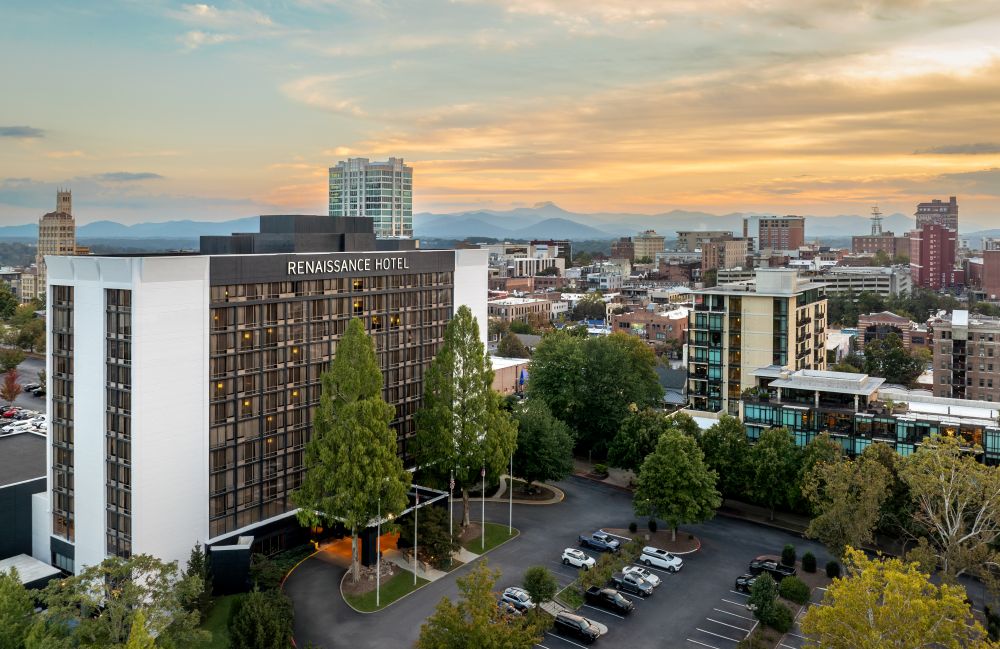
Young said the Renaissance suffered relatively light damage, with a facade on one corner of the building getting blown off from the 3rd to 12th floors, putting 50 of its 278 rooms out of commission for a few months.
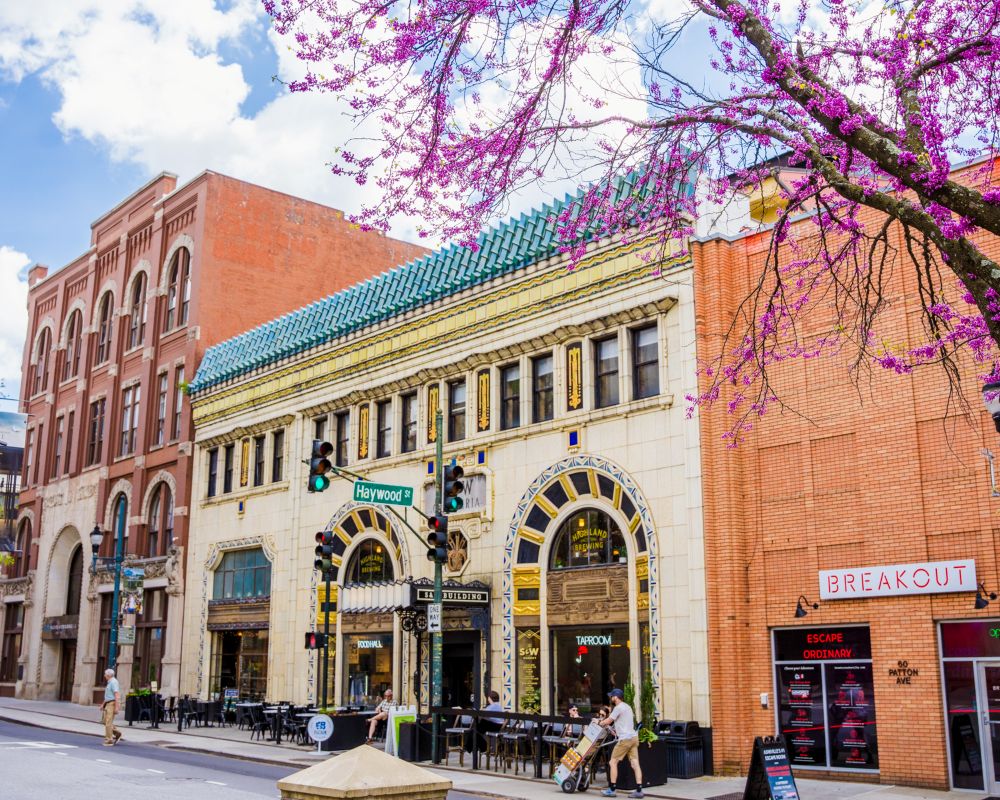
Young said areas within the destination that are the center of group and leisure travel are completely back to normal.
“As it relates to downtown Asheville and Biltmore Park, it’s business as usual,” Young said. “Everyone who has enjoyed these things in the past can come back and enjoy them again.”
Asheville Communities Coming Together
For Explore Asheville leader Isley, the experience reinforced her pride not only in her team and the overall hospitality community, but also in the meetings industry in general.
“To have the meetings industry take note of wanting to be part of our economic comeback and to do it in a way that is so aligned with our community, both in values as well as traditional economic development, has been super, super inspiring,” she said.
Planner's Perspective on Asheville Meetings
Megan Storms, Associate Director, James Beard Foundation Institute

Meetings Today: What type of program did you host?
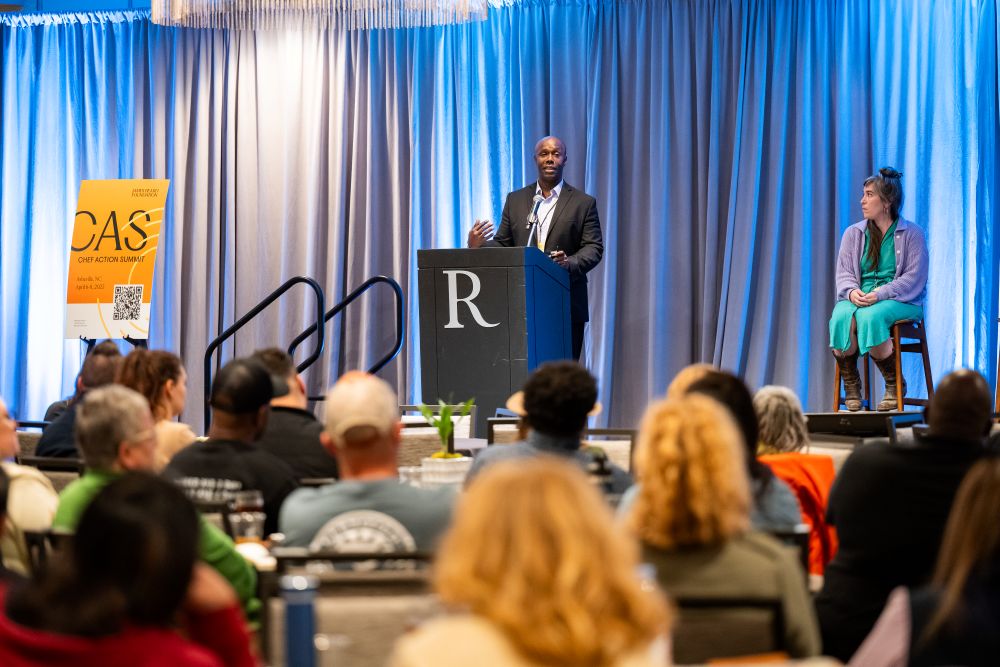
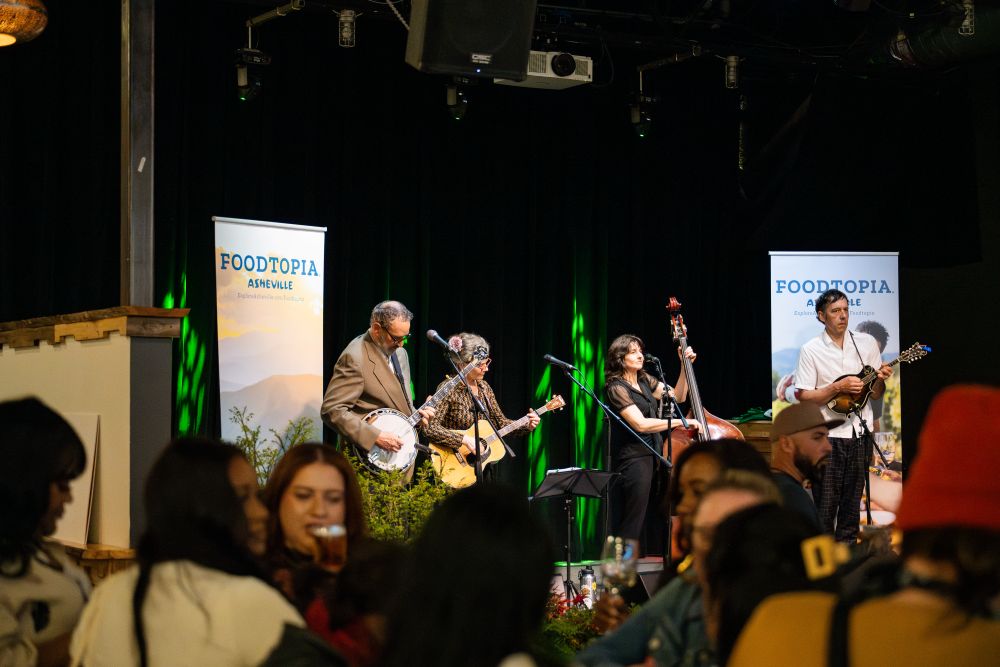
Megan Storms: We hosted our third biennial Chef Action Summit in April 2025. The programming took place over three days at the Renaissance Asheville Downtown. The Welcome Reception was hosted by Explore Asheville at Highland Brewing.
Chef Action Summit brought together 300 of the nation’s best chefs, advocates and industry leaders from more than 37 states who are passionate about creating positive change for our industry and our food system.
What types of programming did the meeting feature?
The program featured a series of keynotes panels and workshops covering critical topics such as the economic impact of climate change on the food industry, sustainable restaurant practices, tariffs and innovative business models. Attendees participated in hands-on sessions focused on building advocacy policy skills and community connections, and worked to develop the strategies for engaging with policymakers and taking action at the state and local levels.
The Summit is part of James Beard Foundation’s (JBF) Climate Solutions for Restaurant Survival campaign, which is dedicated to tackling the significant impact of climate change on independent restaurants, chefs and the local economies they support.
In addition to the Summit, JBF hosted a roundtable convening chefs, small business owners, farmers, state officials and policy experts in Asheville to discuss ongoing recovery needs.
What made Asheville and the venue the right fit for your event?
Asheville was the perfect location for the Summit for many reasons! It’s home to over 20 James Beard Award-winning and -nominated chefs and has an incredible food community and thriving independent restaurant scene. The scale of the city made it easy for everyone to participate fully both in the summit and in the rich culinary life of Asheville, with lots of opportunities for networking over meals and drinks.
The Renaissance was a great venue for this Summit as it was conveniently located, had ample room for guests to stay onsite, and a variety of spaces for us to use for our programming.
What offsite events were included?
With our partner Explore Asheville, we hosted a volunteer opportunity with RiverLink, a 35-year-old river conservation organization deeply rooted in Asheville and its relationship with the French Broad River. Attendees got the chance to have a hands-on experience engaging with the local community and aiding in the ongoing rebuilding efforts. This was an incredible experience for all!
In partnership with Explore Asheville, we hosted our welcome reception at Highland Brewing, which was the perfect venue to kick off the Summit.
Would you recommend this destination to other meeting planners?
Yes! Asheville is a wonderful place to host a large gathering/meeting. The airport was easy to navigate, people are kind and welcoming, and the downtown offers a plethora of fantastic dining options, all walking distance from each other and a variety of hotel options.
How did Asheville’s experience with Hurricane Helene figure into your decision to hold the meeting there, if any?
This was a big driving force in our decision to host our Summit in Asheville. We were proud to support Explore Asheville’s “Be Part of the Comeback” campaign after Hurricane Helene, which affected many of the city’s independent restaurants. Hosting the Summit in Asheville allowed us to participate in the financial recovery of the city, having over $200,000 in economic impact through hotel nights and restaurant meals, with many attendees staying longer than the duration of the conference and supporting their restaurant-owning peers.

The goal of the Summit was to harness the power of food to drive positive change, and Asheville’s independent restaurant community is a perfect example of this. To be able to learn firsthand from and showcase how the restaurant community came together in the wake of Hurricane Helene, and their resilience, tenacity and resourcefulness, was the inspiration and energy the Summit needed.