



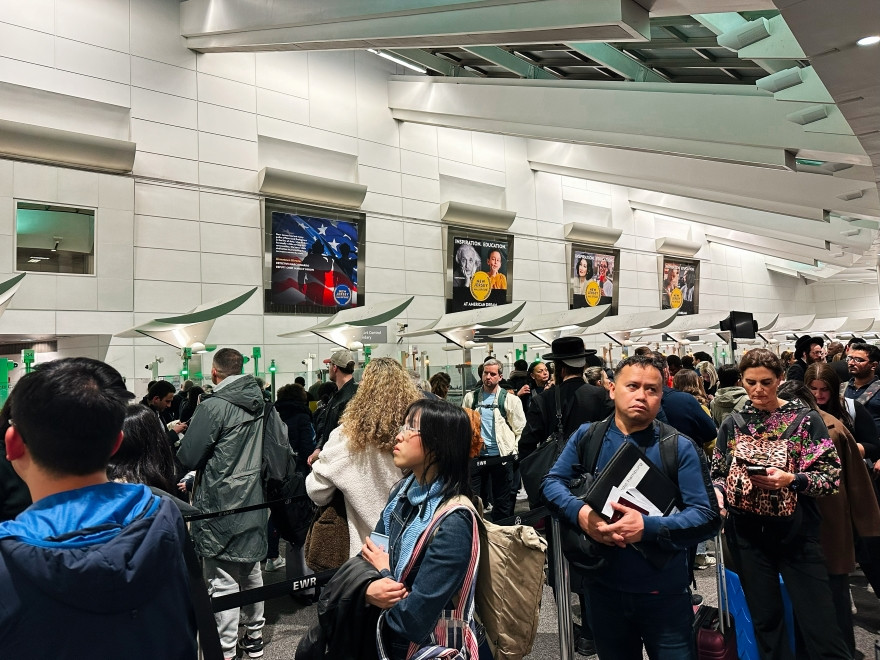
With Transportation Security Administration officers who conduct security at airports still not receiving paychecks since the February 14 shutdown by the U.S. Congress, wait times at airport-security checkpoints are frustrating many leisure and business travelers alike as more officers stay out of work each day.
The situation has reached the point that Robert Isom, CEO of American Airlines, sent an open letter to Congress this week, in which he wrote:
“People who live in your districts and home states are tied of long lines at airports, travel delays and flight cancellations caused by shutdown after shutdown. Once again, air travel is the political football. …It is past time that TSA officers, U.S. Customs clearance officers at airports and air-traffic controllers are paid for the work they do. In a time where it is hard to reach consensus on anything, it is significant that the vast majority of Americans want Congress to pay federal aviation workers.”
Then, on the morning of March 18, Isom stepped off the stage after speaking at the JP Morgan Industrials Conference in Washington, D.C. and conducted an interview with business-news outlet CNBC. After being asked about the hours-long security wait times in airports such as Atlanta, Houston, and New Orleans—especially in the 5 a.m. to 9 a.m. window—Isom said that “at our major hubs, we are not seeing operational difficulties; TSA workers are coming in and we greatly appreciate that.”
“But that will not remain the case,” Isom added. “We have to get them paid. We don’t need this inconvenience for everyone.” In fact, Charlotte International Airport, an American hub, reported 47-minute wait times at its security checkpoints on the morning of March 18, up from the typical five minutes before the shutdown. And in Phoenix, security wait times have jumped from 6-8 minutes to 30-35 minutes.
Besides more inconvenience, it’s likely there will also be significantly higher prices for flights in the near future. A March 18 strike on Iranian natural-gas operations by U.S. and Israeli forces moved the price of oil above $108 per barrel, which will surely affect jet-fuel costs that have already spiked 33 percent since February 28.