


Last October, Visit Salt Lake came to New York City to talk about the destination’s immersive “five senses” appeal, which includes unique experiences inspired by the 2002 Winter Olympics. In 2034, Salt Lake City will welcome the Olympic and Paralympic Winter Games back, officially known as Utah 2034. With members of the 2034 Organizing Committee and current Olympic athletes in the room, the excitement is already building a decade out.
The city’s organizers and stakeholders have every reason to be confident. The enduring success of 2002 is a case study in major-event planning and execution that began half a century ago when Colorado voters rejected bond funding for the 1976 Winter Olympics.
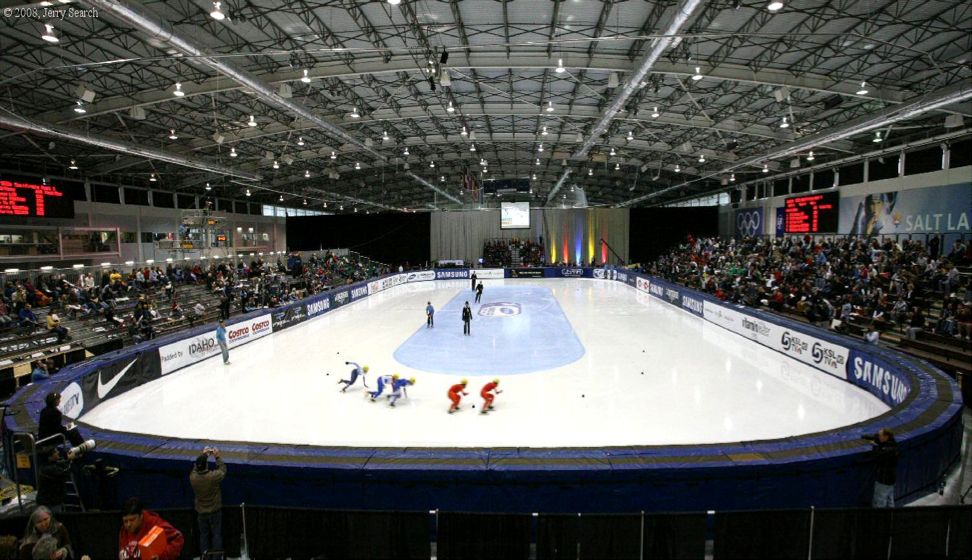
Salt Lake City saw this as an open opportunity to elevate Utah into a national winter sports capital. Voters agreed, approving a statewide bond to fund facilities to attract world-class competition and athlete training. Constructed in 1994, the Utah Winter Sports Park, Ogden Ice Sheet and Kearns Oval established Utah’s permanent Olympic infrastructure. The investment paid immediate dividends in 1995, when the International Olympic Committee (IOC) awarded Salt Lake City the 2002 Winter Games.
That same Olympian spirit of ambition and collaboration is creating excitement for the future of the city’s $5.8 billion tourism industry, building on a singular track record of peak performance.
The Gift of Gratitude That Keeps Giving
For hosts of mega-global events such as the FIFA World Cup and the Olympic Games, what follows the closing ceremonies is a critical component of long-term economic development, tourism included. Too often, hosts fail to leverage ramp-up investments in infrastructure, leaving them mired in debt and costly venue maintenance, or worse, abandonment.
Not so Salt Lake City. Hosting the Winter Olympics in 2002, the destination first took care of business by delivering a profitable event with a monumental surplus of around $56 million. While contractually entitled to 10% of the net surplus, the IOC chose to donate its entire share to the Utah Athletic Foundation, which oversees the venues built for the Games.
The Foundation has made the utmost of the IOC’s $40 million gift of gratitude, given to “encourage the development of sport and further promote Olympism in the state of Utah.”
Securing permanent ownership of Utah Olympic Park and the Utah Olympic Oval, the organization transformed these world-class venues into year-round centers for recreation, athlete development and community engagement. Supporting 1,000-plus jobs, contributing $78 million to Utah’s gross domestic product (GDP) and generating $132 million in total industry impact, venue utilization today has quadrupled from two decades ago. Every required facility for the Utah 2034 is ready, meaning further investment in competition infrastructure.
[Related: Utah Leans Into the Luxe Outdoors]
Going for the Gold
The post-2002 expansion of sports and outdoor tourism also saw the city broaden its economic base, expanding into key group market segments including finance, healthcare, high-tech and education. This mindset of continual evolution includes investing in future-ready infrastructure projects.
Slated for completion this year, the final phase of the $5.1 billion update of high-efficiency Salt Lake City International Airport brings the total gate count to 94, meeting near-term demand ahead of the Olympic surge.
Plans for the proposed Sports, Entertainment, Culture and Convention (SECC) District include an announced major expansion of the Salt Palace Convention Center for greater flexibility and capacity. The project is slated to start in 2027 for completion by 2030.
The Delta Center is currently being upgraded to a dual-sport venue to accommodate the NBA’s Utah Jazz and the NHL’s Utah Mammoth, which debuted last year. Having added other pro teams since 2002 including MLS’ Real Salt Lake and the Utah Royals of the National Women’s Soccer League, Salt Lake is now marshaling forces for an MLB franchise. If the past dictates the future, the vision of becoming a year-round sports destination is in winning hands.
Q&A: What the Games Mean for Groups

Visit Salt Lake President and CEO Kaitlin Eskelson discusses how the destination’s forefront legacy of event planning and stewardship benefits groups in this Q&A with Senior Contributor Jeff Heilman.
Jeff Heilman: Congratulations on deservedly winning back the Winter Games. How are preparations going?
Kaitlin Eskelson: The 2002 Winter Games resulted from decades of strategic planning, world-class venues, international visibility and a community that understands how transformative major events can be.
Our venues continue to operate as year-round assets that host international competitions, elite athlete training and public experiences. That activity has kept Salt Lake connected to the global sports community while building the experience needed to host the Games again.
As we look toward 2034, that foundation gives us a strong head start. The destination continues to grow with new hotels, expanded infrastructure and projects like the Sports, Entertainment, Culture and Convention District, which will bring new energy and create more places for attendees to gather within the convention core.
How have groups benefited from the post-2002 legacy?
For planners, the Olympic legacy shows up in highly practical ways.
Many of our venues support global broadcast standards and large international crowds, which means planners are working with facilities built to operate on a world stage. Our transportation system was also expanded to move large numbers of people efficiently.
Salt Lake remains incredibly accessible. You can land at Salt Lake City International Airport and be in your downtown hotel or the Salt Palace Convention Center in about 10 minutes, which simplifies logistics and allows attendees to spend more time enjoying the destination.
Salt Lake’s record of success alone speaks volumes.
Experience is one of our biggest competitive advantages. Having proven that Salt Lake can successfully host an event on the scale of the Olympic Games, we have since continued to host major international competitions, conventions and sporting events. That track record gives planners confidence that our venues, infrastructure and hospitality community know how to deliver world-class experiences.
The balance of scale and accessibility also sets us apart. Planners get the infrastructure of a global destination, combined with a walkable downtown, quick airport access and mountains just minutes away. That is a powerful combination for groups.
Any lessons learned from the 2026 Winter Games in Italy?
One of my biggest takeaways from observing the preparations in Milan and Livigno was the importance of balancing global energy with local authenticity.
Milan showed how large-scale activations and strong brand presence can build excitement, while Livigno showed the power of creating memorable experiences through local character, community and place-based storytelling. Both were effective in giving visitors reasons to engage beyond the competition itself.
We are thinking the same in Salt Lake. Major events should feel big and exciting, but they should also reflect the personality of the destination and create meaningful connections to the local community.
What’s on the group market roadmap leading up to the Games?
Between now and 2034, meeting planners and attendees will see a destination that continues to evolve in exciting ways. During the Utah 2034, visitors can expect a destination that feels energized and engaged, with activations, cultural experiences and opportunities to connect with both the Olympic spirit and Salt Lake’s outdoor lifestyle. Our goal is to host an exceptional Games and create experiences that leave people wanting to return long after 2034.