

Memphis has forever been on my mind. My parents loved R&B and soul. I discovered the blues, rock ‘n’ roll and Elvis Presley on my own as a child. All were born or shaped in Memphis. Preoccupying, too, were the images of Dr. Martin Luther King Jr.’s assassination at Memphis’s Lorraine Motel in LIFE Magazine’s iconic 1973 “Best of LIFE” photo anthology.
Long awaiting the “right” time for what loomed as a sacred pilgrimage in my imagination, I finally got my sign last summer with an invitation from Memphis Tourism to attend the Morgan Freeman’s Symphonic Blues Experience in New York City’s Central Park.
Co-founded by the Memphis-born Oscar-winning actor, this touring tribute to the history of the Mississippi Delta Blues weaves cinematic storytelling with live blues and orchestral performances. Freeman was there for a lively Q&A before the electrifying show.
I booked Memphis not long after. Being there even for a few days and answering the call I’ve heard from the destination since childhood was a life-changing experience of learning, inspiration and emotion.
History, Heartache and Hope
Founded in 1819 on the bluffs of the Mississippi River, Memphis became a global leader in cotton and hardwood lumber. By 1930, the city was home to 50 industries, from automobile bodies to wooden toys. On the flip side, Memphis endured decades of racial oppression, epidemics, debt, decline and crime.
From adversity came fortitude. Arising from the farms of the post-slavery era, the blues, rooted in spirituals, work songs, field hollers, chants and narrative ballads, expressed the hardships of freed African Americans.
“Blues was the music that gave voice to a people, their pain, their hope and their resilience,” narrates Freeman. “It was the first time that America heard itself.”
The seed was planted. Deeply intertwined with gospel music and the foundation for jazz, R&B, soul, rockabilly and rock ‘n’ roll, the blues summoned musicians and visionaries to Memphis who changed the world.
Sunny Side Up
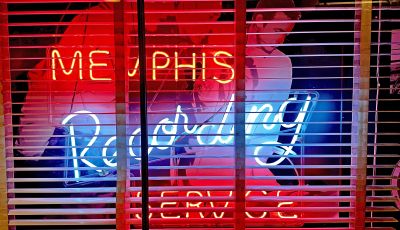
In 1950, Alabama-born Sam Phillips left his announcer and sound engineer job at Memphis radio station WREC in the basement of The Peabody Memphis hotel to launch his own studio, the Memphis Recording Service, in a converted auto repair shop.
[Related: City of Memphis Buys Convention-Headquarters Hotel, Starts Full Renovation]
Committed to advancing the blues and artists of all races, Phillips recorded scores of future legends, including B.B. King and Howlin’ Wolf. In 1951, he waxed the first rock ‘n’ roll record, “Rocket 88,” by Ike Turner and the Kings of Rhythm. Founding Sun Records in 1952, he made yet more history in 1954 by signing an undiscovered Elvis Presley, followed by Johnny Cash, Jerry Lee Lewis, Carl Perkins, Roy Orbison and other titans.
Relaunched in 1987 as Sun Studio, the National Historic Landmark building operates as a daytime museum and nighttime recording studio. Holding Presley’s microphone from his debut cut “That’s All Right, Mama” is among the thrills of docent-led walk-in or 20-plus group tours.
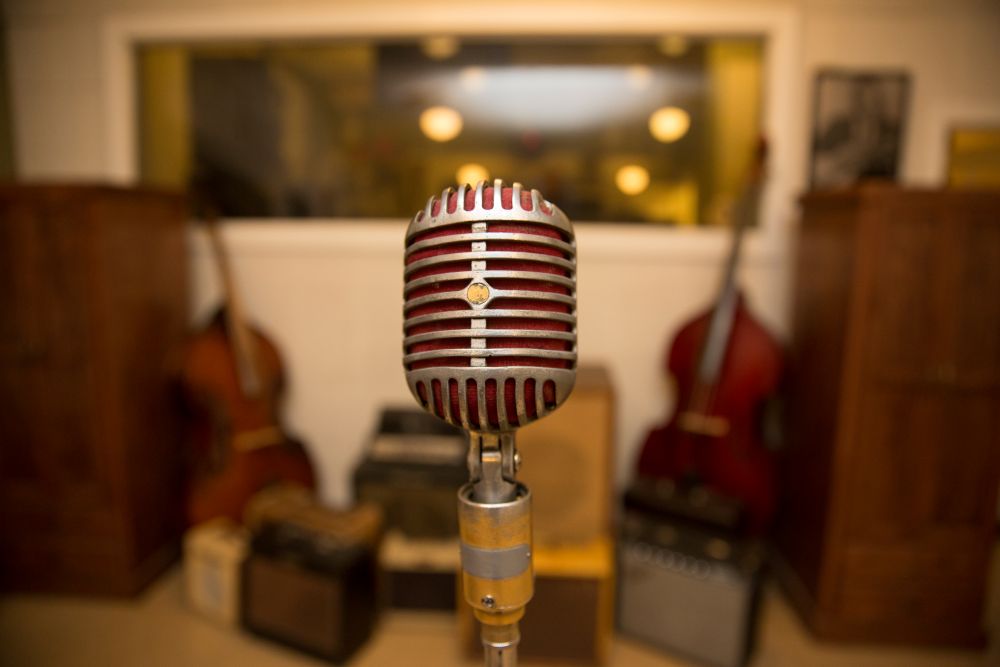
“How is there so much life in this dead man?” asked Rolling Stone of the new EPiC: Elvis Presley in Concert movie. Redolent throughout Memphis, Presley’s revolutionary revved-up blending of the blues with gospel, pop, rockabilly and country, combined with his unsurpassed charisma and stage presence, transcends the grave.
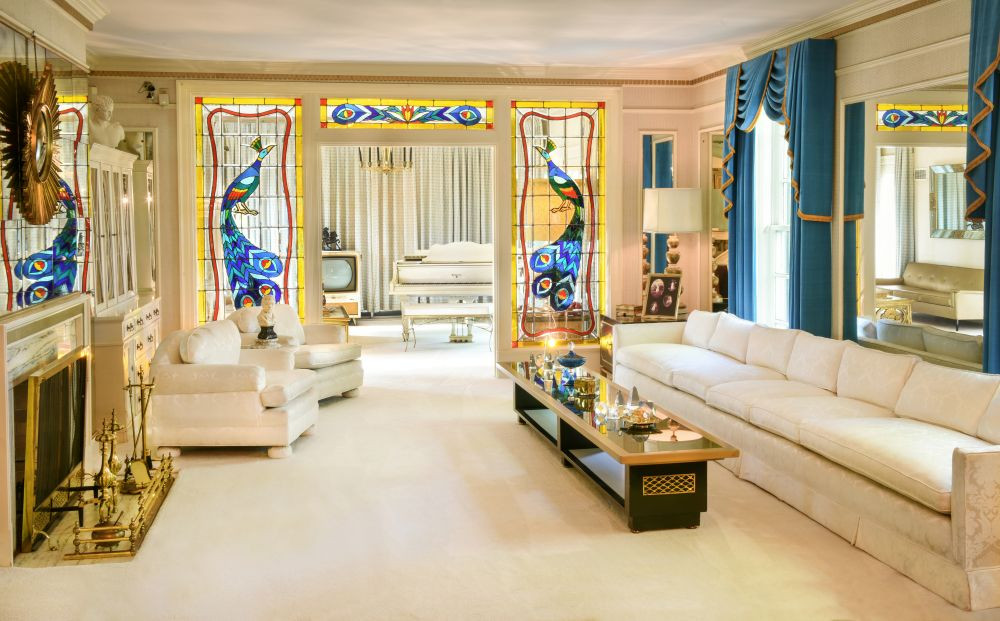
Presley’s eternal magnetism permeates his former home, Graceland. Catalyzing Memphis tourism when it opened to the public in 1982, this global attraction is enthralling throughout, from Presley’s time capsule 14-acre mansion-estate and family gravesite to his cars, jumpsuits, airplanes and countless other exhibits.
Groups of more than 50 have 100,000-plus square feet of space in 20-plus venues there, including the entertainment complex and Graceland Exhibition Center. Exclusive programs include after-hours Graceland Mansion tours. The 450-room AAA Four Diamond Guest House at Graceland hotel offers 22,000-plus square feet of space, including an 11,000-square-foot ballroom.
Like a Rollin’ Stone
Downtown’s historic Beale Street once flourished as a center of Black culture, commerce—and the Memphis blues.
From the 1920s to the 1940s, Beale Street players included Howlin’ Wolf, Louis Armstrong, Albert King, Memphis Minnie and W.C. Handy, the Alabama native famed as the “Father of the Blues” for songs including “Beale Street Blues” and “The Memphis Blues.” Relocated to Beale Street, his Memphis home is now a heritage museum.
In 1946, Riley B. King hitchhiked from the cotton fields of Mississippi to Memphis, guitar in hand. Christened on Memphis radio as the “Beale Street Blues Boy” and then “Blues Boy” King, the legend of B.B. King was born. Today, event-capable B.B. King’s Blues Club is an anchor of the three-block Beale Street Entertainment District.
[Related: Full-Service Properties Renovate and Rebuild to Support Renasant Center in Memphis]
In 1950, Beale Street legend Muddy Waters wrote his seminal song, “The Blues Had a Baby and They Named It Rock and Roll.” In 1961, Mick Jagger was carrying The Best of Muddy Waters and Chuck Berry’s Rockin’ at the Hops when he reconnected with childhood mate Keith Richards on a train platform south of London. The rest is history as the teenagers joined founder Brian Jones, who named the band after Waters’ song “Rollin’ Stone,” in forming the Rolling Stones.
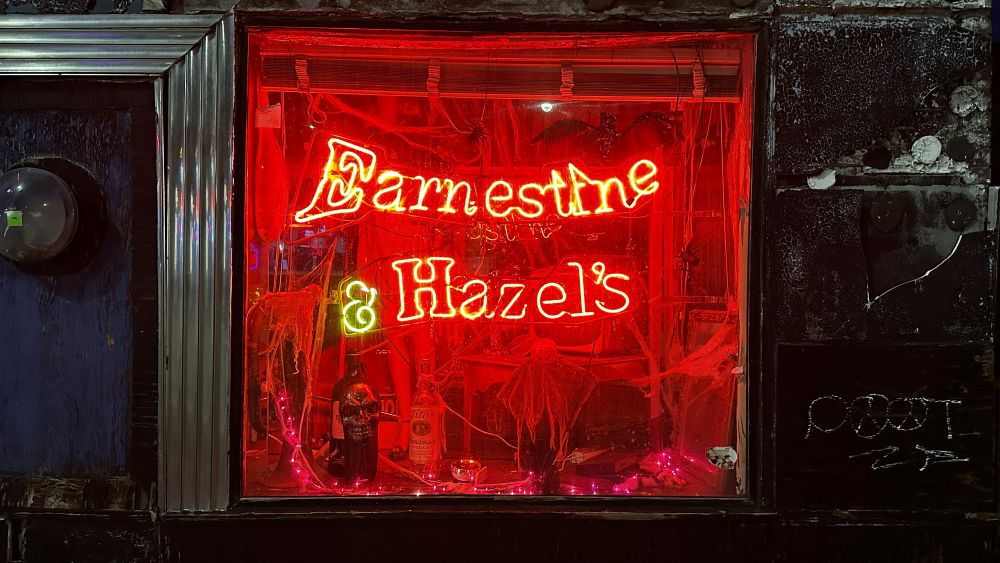
Championing the blues, the Stones first played Memphis in 1965. At some point, they visited Earnestine and Hazel’s. With past lives including dry goods store, pharmacy, beauty salon, blues club and brothel, this haunted pre-WW1 heirloom inspired the intro, “I met a gin-soaked barroom queen in Memphis / She tried to take me upstairs for a ride,” to the Stones’ 1969 classic “Honky Tonk Women.”
Patronized by legends including B.B. King, Bo Diddley, Little Richard and Ray Charles, “the world’s best dive bar” features the famed Soul Burger, live music and private events. Memphis Tourism’s PR director Lauren Berry, my consummate host, met her fiancé Logan at Earnestine and Hazel’s. Marrying a week after my visit, they bought out the venue for their 200-person reception. Blessings, Lauren and Logan!
Engaging experiences at the nearby Blues Hall of Fame Museum included speaking with a full-body hologram of legendary bluesman Taj Mahal and real-life docent Angelo Earl, a musician and producer whose resume includes playing with Al Green and Isaac Hayes and touring with the Jacksons and Motown house band The Funk Brothers. He still tours with the Bar-Kays, the original session group at Memphis’s Stax Records, birthplace of soul music.
Located in the historic “Soulsville U.S.A.” neighborhood, the event-capable Stax Museum of American Soul Music commemorates the tiny recording studio that, between 1957 and 1975, produced iconic artists including Isaac Hayes, The Staple Singers and Otis Redding, the “King of Soul.” Stax famously produced Wattstax, the 1972 Los Angeles concert heralded as the Black Woodstock.
Exhibits include an exact replica of famed Studio A; Hayes’ gold-plated 1972 Superfly Cadillac El Dorado; and the Wall of Sound, lined with every Stax album and single. Birthplace of “Queen of Soul” Aretha Franklin, the Soulsville community mixes rawness with resilience, including youth-oriented future-building projects like the Stax Music Academy and Soulsville Charter School.
Soul Brothers and Sisters
Like Sam Phillips, who was scorned for working with Black musicians, Stax founders, siblings Jim Stewart and Estelle Axton, maintained an open-door policy. Amid racial tensions, blues and soul co-existed in relative harmony.
“Memphis music,” wrote Memphis Magazine in 2019, “came from the impact of two cultures occupying the same physical space.”
[Related: 5 Rockin’ Offsite Event Venues for Groups Visiting Memphis, Tennessee]
Racial oppression, meanwhile, produced one of America’s most epochal events. After two Black sanitation workers were crushed to death in a garbage truck in February 1968, their colleagues went on strike to protest their unsafe conditions, unjust treatment and unfair wages while seeking recognition of their humanity and dignity. Dr. Martin Luther King Jr. joined their cause, visiting that March and again in April, when he was fatally shot at the Lorraine Motel.
Down the hill from the Blues Hall of Fame, the motel opened in 1925 as the whites-only Windsor Hotel in what was then a predominantly Black neighborhood. In 1942, local Black couple Walter and Loree Bailey purchased and renamed the property as the Lorraine Motel. The Baileys welcomed all, from famed Black musicians and athletes to white travelers. Wilson Pickett co-wrote his breakthrough hit “In the Midnight Hour” at the Lorraine with Steve Cropper of Booker T. & the M.G.’s, who were also integral to the Stax “Memphis soul” sound.
Falling into a coma following an aneurism triggered by King’s shooting, Loree passed away five days later. Valiantly holding on through the hotel’s decline, Walter died in 1988. Saved from foreclosure, the Lorraine was reincarnated in 1991 as the National Civil Rights Museum.
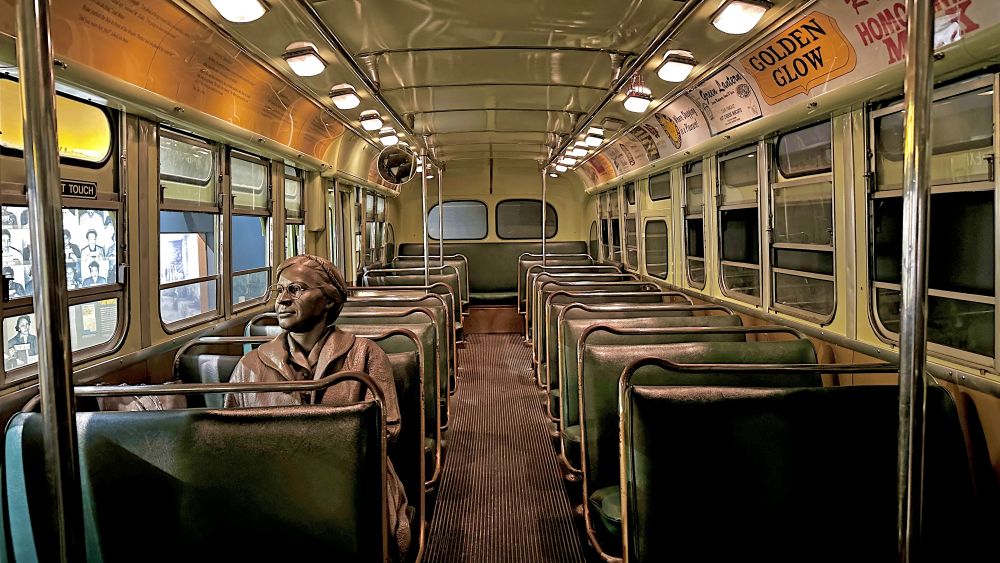
The museum’s immersive presentation of the evolution of the civil rights movement gripped my heart with every step, culminating tearfully with the inside view of Room 306, where Dr. King spent his last night, and the fateful balcony outside. Preferring organizations aligned with or supporting the museum’s mission “to create positive social change,” flexible event rentals include classroom and gallery space, plus outdoor Founders Park, for groups of 40 to around 300 people.
Promoting the Past to Strengthen the Future
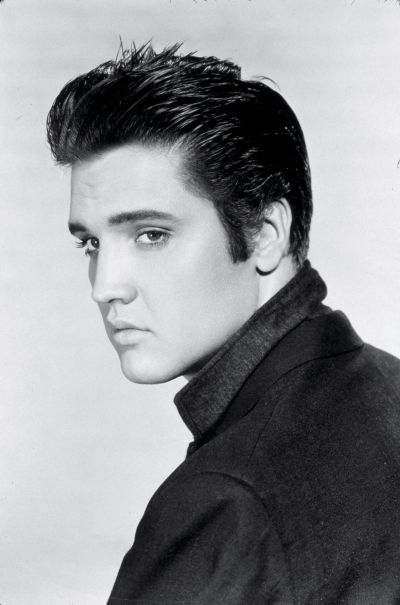
Elvis Presley emblazoned his mantra of “Taking Care of Business” as “TCB” with a lightning bolt (“in a flash”) on everything from clothing to his private jet. It’s an apt brand stamp for entrepreneurial Memphis, which continues to invest in business tourism as the way forward.
“Memphis’ group outlook remains strong with continued investment to address the needs of meeting planners and the destination,” said Kevin Kane, president and CEO, Memphis Tourism. “Our global corporate leaders like St. Jude Children’s Research Hospital, FedEx, AutoZone and International Paper all help drive consistent demand at the Renasant Convention Center. The city’s recent purchase and planned renovation of our headquarters hotel strengthen our long-term convention infrastructure. Combined with our authentic culture, culinary momentum and signature hospitality, Memphis continues to build on its appeal as a distinctive, high-impact destination for meetings and conventions.”
Formerly with Memphis Tourism for 16 years, Milton Howery III, a fifth-generation Memphian, is now chief marketing officer for the Downtown Memphis Commission.
“Memphis sits at the foundation of American culture and music,” said Howery over breakfast at local favorite Sunrise Memphis. “Groups booking space here are stepping into a place that helped shape this country. Our heritage drives tourism, supports small businesses and generates revenue for our city. The Downtown Memphis Commission strengthens that momentum through advocacy, incentives and catalytic development, with culture as the icing on top that makes visiting or investing in Memphis a must-do.”
Culinary Memphis is a story for next time. As Howery noted, “you cannot replicate the flavor of our barbecue, soul food and world-famous hot wings.” Those foundational foods underlie a much-expanded scene, including five Michelin-recognized restaurants in the Guide’s inaugural 2025 American South edition.
Located at FedExForum, multipurpose home of the NBA’s Memphis Grizzlies, the event-capable, Smithsonian-affiliated Memphis Rock ‘n’ Soul Museum identified 1,229 commercial songs, including 800-plus distinct titles, that mention Memphis. That makes the birthplace and home of American music the world’s most sung-about city. Groups could answer the call.