
What No One Tells You About Starting a Career in Events
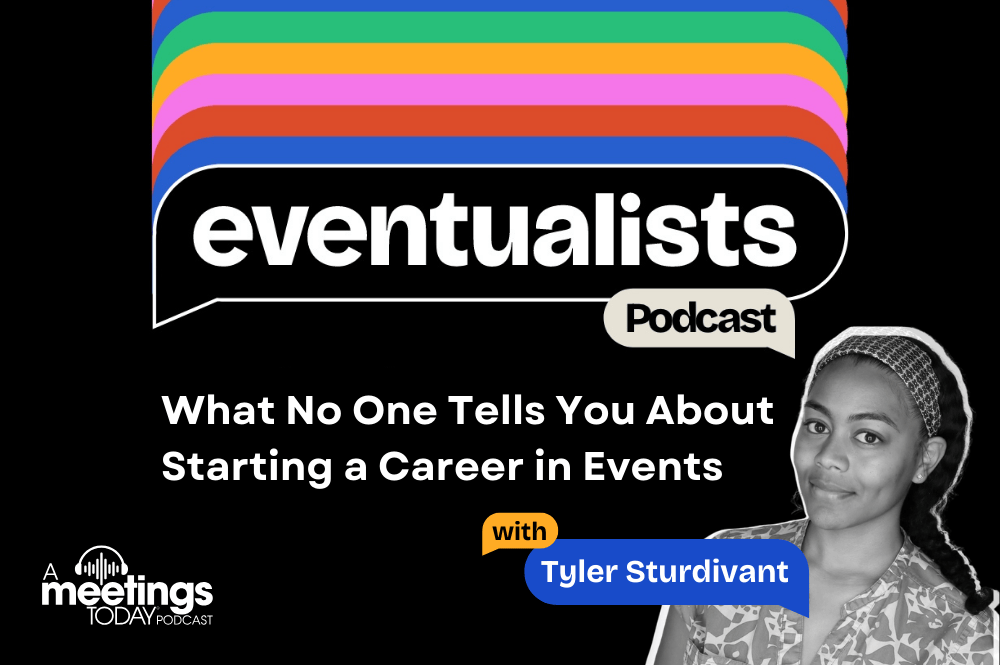
Students and other incoming events industry professionals are typically told it’s a fast-paced, exciting industry that’s full of opportunity. But they’re rarely told how steep the learning curve can be, how much confidence they’ll need to build or how unclear the path forward might feel at the start.
In this episode of Eventualists, co-hosts Taylor Smith and Hannah Elston are joined by Tyler Sturdivant, assistant manager of events at Inspire Brands, to explore what new professionals can really expect when entering the events industry. From navigating uncertainty and imposter syndrome to understanding workplace dynamics, career progression and how to earn trust early on, the Eventualists unpack the realities that aren’t written in the job description.
[Related: The Inaugural Episode: What Is an ‘Eventualist,’ and What Is This Podcast About?]
This episode is about acknowledging the gap between expectation and reality, and what both emerging professionals and industry leaders can do to bridge it.
Listen now:
Meet Our Guest:
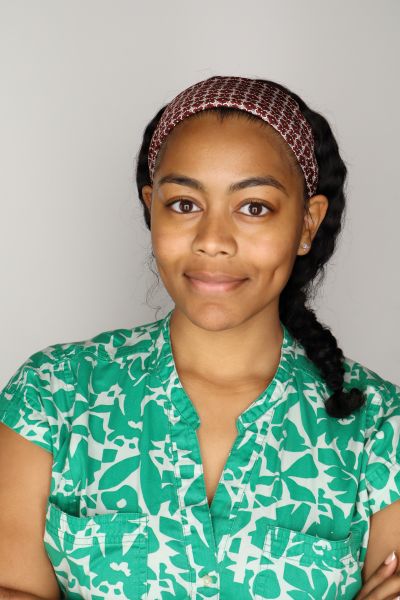
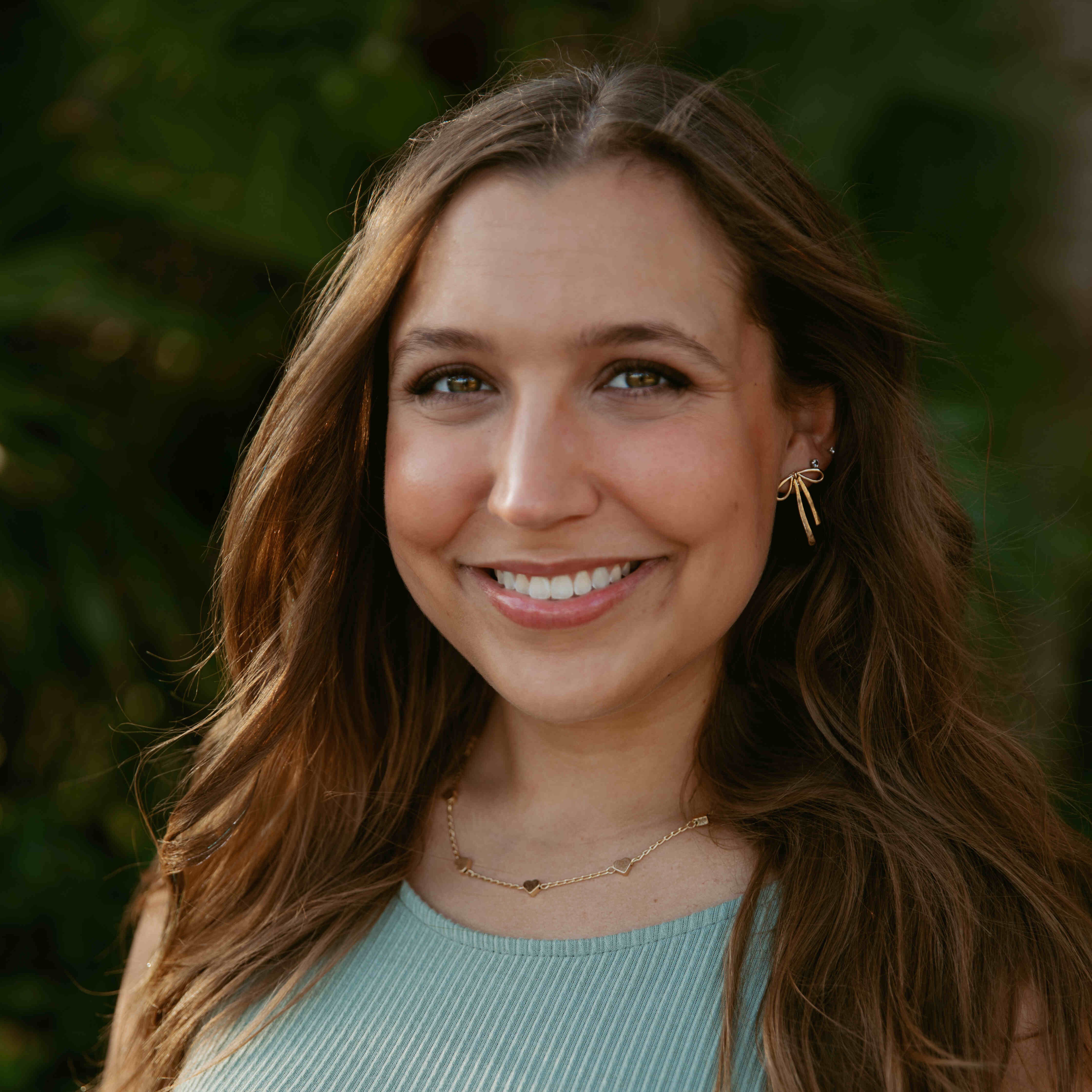
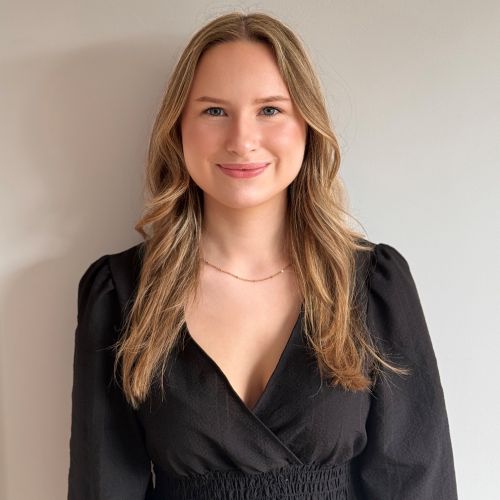
Tyler Sturdivant is an assistant manager of events at Inspire Brands, where she contributes to the strategic planning and execution of major franchisee conventions, large-scale meetings and internal events for brands such as SONIC, Buffalo Wild Wings, Dunkin’ and others. Her work centers on shaping attendee registration processes and leading event communications, ensuring that each experience aligns with organizational objectives and delivers measurable impact.
A graduate of Cornell University with a degree in hospitality administration, Sturdivant began her career as a 2021 Inspire intern. She quickly distinguished herself through strong organizational skills, collaboration and a commitment to continuous learning—qualities that propelled her from intern to events coordinator in 2022, and to assistant manager in 2024.
Dedicated to supporting and inspiring young professionals in the events industry, Sturdivant brings a thoughtful, future‑focused perspective shaped by her hands‑on corporate events experience and hospitality foundation.
Beyond her corporate work, Sturdivant remains deeply connected to her K–12 community, frequently returning to speak with students about career pathways in the events industry. She also gives back to her former summer camp, sharing her professional journey and encouraging the next generation to pursue their passions.
Transcript:
Editors note: The following transcription was exported from Microsoft Teams and proofed by our editors. Although it is very accurate, there inevitably will be some mistakes, so please consider that when reading. Thank you.
Taylor Smith
Welcome to eventualists, real stories, eventual experiences, a new Meetings Today podcast for tomorrow's talent and today's leaders co-hosted by me, Taylor Smith.
Hannah Elston
And me, Hannah Elston, the eventualists, sheds light on the unexpected realities of life as a business events industry professional. And today we are excited to welcome our first guest to our podcast. But before we do, Taylor, let's just talk quick. How do you feel the reaction has been to eventualists so far?
Taylor Smith
Hannah, this has been crazy so far. I don't think either one of us anticipated right away this excitement and eagerness from our peers in the industry who are so supportive already. And I think that has really uplifted me and made me feel even more excited to take this on.
We've already gotten some emails from people who have reached out to share their thoughts, and it's just the most rewarding feeling ever. How do you feel about it all?
Hannah Elston
Oh my gosh. I mean, it's been so good, as you say, to see the support online. And just one of the things I love is feedback that it wasn't long enough because people could listen to us talk for longer. And I was like, well, great, because these episodes moving forward are going to be much longer.
So that made me feel good about this for sure, and I feel like we also should drop in something new that we've done. We have now created the eventualists podcast Instagram account, so we will be sharing clips from the podcast on there. So hopefully you'll see us pop up in your reels. Give us a follow on Instagram. And that's where you can keep up with all the latest eventualists news. But Taylor, outside of work, just give me a little bit of highlights. What's a highlight from February? And then tell me something that you're looking forward to in March.
Taylor Smith
So, February, I feel like saying the eventualists is obviously what one highlight was. But outside of that, there was this really great fairy brunch at the Sheraton Riverwalk in Chicago that I got to go and volunteer at with my mom and my aunt. And there were a bunch of little girls dressed as fairies, and it was the cutest thing ever to see how the hotel put that on. It was literally like walking into a fairy tale dream world.
You walk through like this tunnel of balloons. They did a really great job and I felt like I was a little princess fairy again just dancing around. So that was probably a highlight from February. I need your highlights now. Highlights from February, highlights from March.
Hannah Elston
Well, we had our event in February in Orlando, which was a crazy and surreal experience, but so much fun. And then I got to celebrate at the Epic Park in Orlando with some butterbeer, really good roller coasters and I had such a great time. So that would be my biggest win for February. For March, I'm going skiing. I'm going to Tignes, the French Alps. I've only ever been skiing once before and I hit my top speed sliding down a mountain on my backside, not the most physically fit right now either, so it's going to be a struggle, but at least the outfits will be cute, right?
Taylor Smith
Yes, all the Instagram photos.
Hannah Elston
So, Taylor, without further ado, should we bring our first guest in for the podcast?
Taylor Smith
I think we should. I think it's time.
Hannah Elston
Exciting. OK, well, allow me to introduce Tyler Sturdivant, assistant manager of events at Inspire Brands, who began her career with Inspire in 2021 as an intern, and in just five years has carved out opportunities for herself to advance into a managerial role. Now Tyler is here to talk to us about the steep learning curve that comes with being a next gen professional in this fast-paced, exciting industry, one that's full of opportunity but sometimes unclear to navigate on your own.
Taylor Smith
Dedicated to supporting and inspiring young professionals in the events industry, Tyler brings a thoughtful, future-focused perspective shaped by her experience in corporate events that Hannah and I felt was ideal for a conversation on the eventualists podcast. And beyond her corporate work, Tyler remains deeply connected to her K-12 community.
Frequently returning to speak with students about career pathways in the events industry, she also gives back to her former summer camp, sharing her professional journey and encouraging the next generation to pursue their passions. Hannah, I don't think there's a definition out there better than that for eventualists.
Hannah Elston
Right. Tell me about it. Tyler is joining us for this episode to explore next gen expectations and the reality of starting a career in business events, realities that aren't always written in the job description. So, before we really dive in, snaps for Tyler, please.
Tyler, do you want to just take a moment to introduce yourself to our listeners today and then maybe share a bit more about your story and ultimately what inspired us to have this conversation with you on eventualists?
Tyler Sturdivant
Of course, I'm so excited to be here. This is a superb topic and something I feel like is really needed for those that are coming up in the industry. I was born and raised in Atlanta all my life, and then I went to school at Cornell University for hotel administration.
Within those four years, I learned a lot about business, hospitality, hotels, of course, restaurants. But I really found that my niche probably lived in events. It's where I found the most creativity. It's where I found this kind of yearning to do something in this industry.
So following my graduation, I started an internship with Inspire on the events team, working the events, learning the ropes, just jumping right in and doing what I could. And I let the years go by and it was like, this is where I was meant to be.
I'm really fond of going back to my community and expressing how rewarding this career has been and teaching students and upcoming graduates about a different side of the world.
You know, when we go into these professional or undergrad organizations, there are the typical career paths that you think of. So, teachers, lawyers, doctors, XY and Z. But there's this whole entire world of professions that exist that people sometimes just don't know about. And so, I love being able to share more about my story and how I landed here and just all the good things that have come out from working in events.
Hannah Elston
My gosh, I love that. And I feel like you've kind of already answered this question, but what about your story makes you an eventualist?
Tyler Sturdivant
Oh my gosh. What makes me an eventualist, I think, is just my desire and my dreams of not only becoming a motivator and a mentor for younger people as I grow in this industry and can provide more resources and more learnings.
But even just sharing that with other people in the other industries and learning how they're doing things and finding that crossroads of where we can intersect our skills, where we can learn from each other, where we can show our strengths, there's so much to grow and learn within events that you can really apply it anywhere. You can apply it in all areas of your life. And so, I think being an eventualist is taking these skills that you learn in events and applying it everywhere.
Taylor Smith
I love that. And I think if there's one thing that being in the events industry has taught me too, it's that there's a place in the industry for everyone, no matter your skill set. It is such a wide-ranging industry that we need everyone, whether you're a writer like me or an event designer and architect like you, there's so much that is possible in this industry and being an eventualist is not only opening it up to those that follow us, but being open ourselves to learning and adapting as well. So, I think you do a great job of doing that, Tyler.
When you were studying hospitality at Cornell, what did you think starting a career in events would look like? And what surprised you most about it? What parts of the job kind of feel less glamorous than you expected, maybe?
Tyler Sturdivant
While I was an undergrad, to be completely honest events to me was positioned as picking out linens, doing florals, scheduling a meeting, setting up a conference, the very tactical things which are important. But that was all that was really described. That was all it was painted to be. I think jumping into my internship and getting ingrained in the processes and all the work and all the things that happen before you get on site months, months in advance, that was a big surprise. Like learning that events weren't just events, it's strategy, it's being creative when resources are limited, it's learning people and learning their vision and sometimes telling people what they want even when they don't know they want it.
So those were all really surprising factors. I was like, this is more than just taking orders. This is really creating big things and big experiences that people take away and remember forever. Some of the less glamorous things that you don't really think about before you get there are the long travel days, the long days on your feet, making sure you have good footwear. Many of my beginning days, I had on flats or no support and I really regretted it. So major learning there and sometimes managing different work personalities and different ways of working and learning how to juggle that.
Hannah Elston
I love that so much. And Tyler, I feel like that's such an important piece of advice for every eventualist is: wear comfortable footwear, right? We've all made the mistake and I know you look fabulous in your heels, but we can all promise you it is never worth it. Get the Sketchers. It's OK.
Tyler Sturdivant
I remember coming down from my room one of the first days of my first events and I had on like these really cute short heel shoes. And my manager at the time was like, ‘do you think you're going to last?’ And I'm like, ‘yeah, of course you don't think so.’ I was in for a rude surprise at the end of the day.
Hannah Elston
Oh yeah, and I always have blister plasters with me onsite as well because, oh my gosh, there is nothing worse than being stuck in the middle of the show floor.
Taylor Smith
I didn't know what blister plasters were until I was in the UK and I was like, what are these? They're genius and now I won't go to IMEX without them.
Hannah Elston
Do you know what? That's something I love about IMEX is that they put comfortable shoes as a part of their campaign. They always say, ‘wear the shoes that you feel comfortable with.’ And I'm like, hell yeah, I'll wear my beat down sneakers.
So, you know, we've spoken about the less glamorous side of things, but going back to when you first started that internship at Inspire Brands, what was it that you really enjoyed about the role that encouraged you to stay?
Tyler Sturdivant
When I first started, I think the thing that stuck with me the most and really solidified this is the place for me is the agency I felt at such a young age and in such a young state of mind. I really felt like I owned what I was working on. There was this superb balance of tactical tasks but also creativity that I got to bring forth, that kind of allowed me to put ideas together and showcase how I thought about things or explore why things may or may not work.
It was really something that I learned was projects that I could take be proud of and really take ownership of. And that there was something that kind of kept me confident that this is where I wanted to be.
Hannah Elston
So at heart, you're a creative.
Tyler Sturdivant
Oh, yes. Oh, yes.
Hannah Elston
Yes, I love that. What would you say is your favorite creative element to your role?
Tyler Sturdivant
We do a lot of events that are the same over and over again. Of course, details change, the dates change, the locations change, the audience may change slightly, but overall the format doesn't really change. However, there's always that moment in the initial stages of planning where we sit and we say ‘OK, how can we make this different? How can we take survey results and change up the format just a little bit or just enough to meet the new goals of this audience or allow them to network more or integrate new experiences?’
So, taking those moments to think about different formats and different exciting ways to host a meeting, or do we do it on the show floor instead of in a meeting room? Those brainstorming sessions where you're really pressured to think outside the box and stretch the norm a little bit. Those are my favorite kind of things.
Taylor Smith
I feel like that kind of ties into our next question for you pretty well. And we talked about this a little bit already with how much room there is for creativity and a variety of skills in this industry. There's so many different roles and career paths that exist in business events to follow down to the role that you're in, right,
You could be a meeting planner planning an entirely different meeting for one client than you are for the other, and your role in itself is changing that way. So, when you saw all those opportunities, did that change how you saw your own future at all?
Tyler Sturdivant
Absolutely. I think going into it, I was like, OK, I'm a meeting planner. I do events here at Inspire. This is what I do. My trajectory is continuing to do events and doing that for the rest of my life, which I want to be in the events industry, but seeing all the hands that were that were touching our projects and impacting them in different ways and being involved in the hands on planning to make this come to reality. It was like I don't have to just be a part of it one way.
I can explore more creative sides. I can get into more hands-on things. There are trade show teams, there are production companies, there are destination management services teams. There are so many avenues to take it and you find that you can become really well-rounded in this industry and learn so many things in whatever way you want to go, in whatever way you want to have your career be brought out.
Hannah Elston
And there are so many crossover points as well, right? Like I know specifically in my role right now, I'm a marketer, but as everyone says, I have about 10 different hats, but I get to dabble in a little bit of everything, right? A little bit of the content, a little bit of the planning. With all these different options, it is quite easy to get overwhelmed, right? And think, am I making the right choice when there's so much to choose from? But I think what's always reassuring about the events industry is you can always touch on quite a few and get to know what it is that you really enjoy and what you really like.
And I'm so happy that they have you at Inspire because you're clearly very set with knowing that you want to stay in the industry. This is what we love to hear. We love to hear about eventualists progressing forward and so speaking of that, you know your commitment at Inspire, your internship was extended multiple times before you actually became full-time as we discussed. So, what do you think it was that helped you earn that trust from Inspire that made them say, ‘we’ve got to keep Tyler on our team.’
Tyler Sturdivant
Yeah, I think when I sit back and truly reflect about my time as an intern and as an intern in those extension periods, I think there were a few main things that really gave the team confidence that I was wanting to be there and was a great addition to a team. I think one is just being a self-starter. Being able to predict the needs of the team and the needs of what needed to be done before it was even told to me, that was a great way to show that I was really ingrained in the process and really loving what we did and what we produced.
Just asking questions like coming out of a meeting, I would ask the simplest questions like ‘why did that person say that or? What does this word mean or why do we do things that way?’ Questions like that, although they may seem simple, I think they really allow you to learn the processes all the way to the details, but they show your team members or your managers or whoever you're working with at the time that you're really wanting to be a part of the process and you want to learn and you want to see ways to grow the team.
Lastly, just really taking feedback and implementing it. We can often get caught in a cycle of gathering the feedback, but not really translating that through in our actions moving forward. So, I would always write my feedback down, maybe post it at my desk or keep it in my notebook on the very front page. So it was a constant reminder of like, OK, as I'm doing new things, let me implement this so it can really change how I work, change my mind and then even showcase to my team that I'm really taking what they're offering me seriously.
Taylor Smith
I love that as someone who is a visual learner and needs to see things, to be reminded like, oh, that is something I should be working on. I've got all my written notepads and sticky notes all over my desk, because having that constant reminder is a way to hold yourself accountable. You're not letting it slip your mind or anything. And another thing that I think is really important that you said is we are so intimidated sometimes to ask questions because we think asking a question is going to tell our employers or higher ups that we don't know something or that we're not qualified enough to do something or be in our role. I think that's where a lot of imposter syndrome can sneak in, and I think young professionals need to be more aware of the fact that asking questions does not mean you're unprepared or underqualified or you don't know. It actually shows how passionate you are and how eager you are to learn.
That was one of the biggest things that I learned in college classrooms. You feel scared to raise your hand. You don't want to be judged by other students. You don't know if the professor's going to be like, well, I just talked about that, why weren't you listening 5 minutes ago? And it's like, Oh my God, well, I didn't learn this stuff in the classroom. I do have a question about how the company does XYZ and no one's going to teach me that if I don't ask right now.
Tyler Sturdivant
And I think, Taylor, sometimes if we just take a step back and realize I wasn't growing or I wasn't coming of age and these people just hopped in the world at the age and the knowledge that they're at. They went through this process too. They had to ask the same questions too. It's not a foreign thing or a showcasing of not being capable if I ask the question, because more than likely they've already asked the questions too.
Hannah Elston
And I just think as well, like when it comes to asking questions, wouldn't you be concerned if a member of your team was asking zero questions like, oh, all of a sudden you feel like you know everything straight away off the bat that you don't need to ask anything? And I think that that is, you know, such an important thing that we need to do to get clarity on our organizations, and I think you are just spot on with that is the best way to build trust is to show that you genuinely care to get it right, right.
Taylor Smith
Something that Tyler said before we jump into the next question that I also think is important to kind of draw attention to is how there needs to be a balance.
We always feel as young professionals that we have to add something really valuable and eye opening and wise to the conversation. When we open our mouths, it has to be something that's going to make people listen. But there is also an incredible amount of value in just being the listener, sitting back, being present, taking notes. I find that when I am silent in meetings, I get more out of them than when I try to share ideas sometimes.
There were there were times when I was a new professional. I remember sitting here still, like trying to wrap my head around what role I'm in, what I'm doing, and I'd be in meetings and instead of focusing and being present and listening to what my team was saying, my head is reeling, like, where should I jump in? What am I going to say? What idea can I come up with to make them think that, Oh yeah, she's got a great one. Like, we're so happy to have Taylor on our team and not like, oh, Taylor's not participating at all. Like, she doesn't have any good ideas. So, I thought that was really a good point that you made there, Tyler.
Hannah Elston
I love that and I have to say Taylor as well. I completely agree. In fact, with my newest team members, we did our strategy meeting recently and for one of the girls on my team, I believe it was her third week. So, I said all I want you to do is be a sponge.
You know instantly we've got to relieve this pressure here because so much like you, Taylor, I'm the exact same where it's like, OK, where am I going to input here? Like where am I going to show that I'm valuable and that I deserve to be sat at this table with all of these people. And I was like actually as you know, someone that is now having to manage other teams, I would like to alleviate that pressure. So just be a sponge in the room, sit there, do nothing, absorb. And yeah, like, just allow yourself to fill up with that knowledge from everyone else in the room. And that's obviously a lesson that I had to learn early on.
And Speaking of lessons, Tyler, do you have an example of a lesson that you learned early on in your career that actually ended up being an important turning point for you, maybe something that you've carried with you up till now?
Tyler Sturdivant
So many lessons in my early career. I think one of the biggest lessons, or one of the lessons that truly stuck with me, really nails this point about whenever there's a pivot, that doesn't mean you failed.
So, in my early careers and even now. I manage a lot of the communications that go out for our events and we start the communications plan with these set deadlines of this is going to go out this day and this day and it's going to talk about this and it's just going to be perfect and it's going to go on schedule and it's just going to be fun and dandy and that never happens.
And in the beginning, in the beginning, I was like, and it never happens. And in the beginning, you're like, what did I do wrong? Like, we have to push this back two days. Did I not communicate? Did I not set people up well to succeed? Did I not give the deliverable in time? And sometimes it's not about that.
Sometimes the needs of the event has changed and we need to change the content of the communication a little bit. Sometimes we just need to push it back because there's something more important to send. Like it's not always a failure and I think learning how to retrain my mind to not look at it as that and more so become very solution oriented. So when I'm presented with this pivot, how do I collaborate and how do I jump in and offer what the next steps are to get us to this new goal? How do I immediately train my mind to say, OK, this is our new goal, this is what we need to do to achieve that and have it done in XYZ. So that was a really, a really big learning for me. It used to really get me down when I felt like I was not doing my job, I thought the whole world was upset with me. Everybody was ready for me to leave. But it's really not that deep.
Taylor Smith
One thing you said that I love is you had to train your mind. It's not something that comes naturally to a lot of us to experience a failure and see it as an opportunity to grow. We immediately want to tear ourselves down. We immediately feel shameful or embarrassed, or we beat ourselves up for like. God, why didn't I know that? I should have known better. But that mindset shift, it is a practice. It is something you have to intentionally teach yourself to do. And as someone who is a people pleaser and has always like, strived for perfection in ways that is genuinely impossible to achieve, that is something that I'm still learning how to do is remind myself that when I make a mistake, it is not the end of the world. I'm not going to lose my job. I'm not going to get fired for it. I'm going to be honest. That's another thing. Don't hide your mistakes. The second you know you made one. Be honest about it. Don't try to cover it up. And then just that's where you learn, right? I think there's a little misunderstanding around that sometimes, but that training your brain is so important.
Hannah Elston
It really does speak to the fact as well that, you know, it's not about necessarily what you did wrong, but it's how you handle it afterwards, how you got up after, what did you do that was like, right, OK that sucked. But this is what I'm going to do next time. Or this is something I've taken away instead of making it that sort of personal feeling of I wasn't good enough. You know, it's making it in the literal sense of like, right, OK, how does this become a productive thing that we learn from instead of thinking ‘Damn it, I'm not perfect.’ And actually none of us are. And this is the problem with striving for perfections. And I feel like in events specifically, we do this all the time because we want everything to go perfectly for our audiences, for our stakeholders, all of that. And it's not attainable all the time. You can't please everyone all the time. And this is, this is how we learn. So completely just love what you were saying there, Tyler. I think it's so true.
Taylor Smith
What's something, Tyler, that new professionals might misunderstand about workplace dynamics in large organizations?
Tyler Sturdivant
Something I'm noticing just from speaking with people that are younger than me or former classmates that are about to graduate or coming to graduate, I think that you're coming from wherever you're coming from and you have very deliberate instructions about what to do. You were in a class and you were told this is the homework, this is when it's due, this is the project, this is when it's due, this is when we do this XY&Z and I think that transition to the workplace and the dynamics you have with your managers and your leaders and even your peers on the same level as you is that you're more so expected to anticipate. There's a lot less hand holding or a lot less of deliberate instructions.
Like sometimes you have to look at the project, look at the goal, go and pick up where you need to be involved and support the team. And that's not always going to be told to you verbatim. So, learning how to predict the next steps, anticipate what's needed and be ready to think 10 steps ahead, I think is something that a lot of people don't inherently know until you're there and you learn and you go through things.
Hannah Elston
I love that. And speaking of, you know, your leaders and anticipating things 10 steps before you're now in this position, Tyler, as an eventualist, you know, she is managerial now and you're involved in recruiting these interns for yourself, and I think some of our listeners would love to know what are some of the common themes that you're noticing in people entering the industry today?
Tyler Sturdivant
Yes, I have to say that just going through the cycle of meeting different interns and doing different interviews and things like that, I really have been in such a reflective state of like, wow, like I was in this same position like four or five years ago, this is insane to think about that time is going by and growth has happened and now the roles are reversed and I'm in a place where I can help encourage someone else or bring someone else along for the ride and open their eyes just like mine were open.
A lot of the themes that I'm seeing from people who want to be in the industry, who want a taste of what it's like to be in this role or similar roles, it's just this need to network, this desire to connect with people that are like-minded or can show them more about the industry or they just want to be able to leverage having a plethora of connections. I think that's super forward thinking. I think it's a great stance to have when you're just now entering the industry. But I think also we just have to be careful about making sure we're being intentional, especially when we're in interviews and. communicating about how we want to be established with a team in a specific role is just making sure we're learning and establishing ourselves as advocates for the team that we want to be on and really being intentional about where we want to be. So, it's like a it's a double edge there.
I think also a lot of common things that I'm seeing are this eagerness to be perfect and do it right. It's so well received and I can relate so much to it because you just want to get things done. You want to be perfect and I think eventually, as we said, you'll learn that things happen, you grow, but it doesn't make you any less of an addition or a value to the team than you already are.
Taylor Smith
We did get a viewer question too, that I know Hannah was excited about. So, this viewer just started their first role in events and constantly feels like they don't know what they're doing. Is this normal? And how long does it take to feel confident? Do you ever? Is it possible to ever feel totally 100% confident in what you do?
Tyler Sturdivant
I hate to break it to you. It is so normal and there may always be moments where you doubt yourself. Of course, as time goes on and you learn more and you become more established, your confidence increases tenfold. But there will still be moments where you just feel a little bit of fear or a little bit of, I'm not sure, I don't know. And I think as you grow, your confidence grows, yes. But you also learn how to navigate in those moments and you learn how to be confident in the areas that you're not sure in you, you learn how to use that to your advantage and even lean on people who have strengths in those areas.
So, when you're first starting, you're probably like, I have to know everything and I have to be confident in everything. And as you grow, you're like, maybe I don't know that, but I have people and I have connections and I have mentors and peers who can help me and I'm going to lean into that and lean into my community. And that's the power of having a community.
Taylor Smith
Sometimes I think when we're too confident too, that's when we become too comfortable and stagnant. If we're too confident, are we pushing ourselves to keep growing and learning, or are we just staying where we feel comfortable?
Hannah Elston
If you are at that point already where you're like, Oh yeah, I'm so confident, I know exactly what I'm doing all the time, then maybe it's time to start challenging yourself a little bit, you know? And I have to say as well that I feel like when you touched on the whole mentorship there as well and learning from your community and people around you, that is so incredibly important. And in fact, that was a topic that Taylor and I spoke on together at IMEX America as well, because it's just we have so much that we can learn from others to help us build that confidence eventually.
And so, Tyler, for somebody that maybe would feel stuck in an entry level role, right? Put yourself in their shoes. They're not progressing. Maybe they got too confident, too quick or all that. Who knows? What's a practical step that you would say somebody who feels stuck at the level they are could take tomorrow to start building more momentum.
Tyler Sturdivant
Of course, if someone were to come to me today and say, I feel stuck, I feel stagnant, I'm not sure what to do. I want to move forward. Very practical. Tomorrow you're going to go to your office, you're going to go to your job, you're going to talk to your boss, whether that's an e-mail or in person, however you most feel comfortable. And you're going to say, hey, I value your opinion. I value your work. I look up to what you do. I know that you do it well. I want to get real feedback from you about my strengths and my weaknesses. You can even give them a number. You can say, ‘hey, can you give me two to three strengths or two to three weaknesses that I have? Or areas of opportunity. And then can we have a conversation about solutions or resources that you may have that can help me grow in those areas? Do you have references for LinkedIn learning courses? Do you have people that I can talk to that may already have strengths in those areas that can give me some tips? Are there ways that? I can practice this with you or can you sit in on this meeting with me while I take this leap and just kind of guide me and be my emotional support.’
Just really take that practical step of being very deliberate, asking your manager or your mentor, whoever it is, about where your opportunities are, because sometimes it's hard for us to see them ourselves. They can tell us very from a very objective point of view and then take that and apply it, take it and print it out, take it and post it on your phone, post it on your desk and actively remember to implement those things in all that you do.
Hannah Elston
It's also great to have your leaders advocating with you, right? But you've got to give them that opportunity and you have to let them know that that is what you want to do if they think that you're comfortable being at your current level in your current role and they're not seeing that desire.
Or you're not asking those questions, and again, like we were saying, when there's so many avenues to go into when you're in events, how are they meant to make these decisions for you without having these conversations first, knowing not just what you're good at. And yeah, I really do believe, especially when it comes to growth within eventualists, if you don't ask, you don't always get.
It has been such a pleasure to have you on the pod and for sharing your insights with everyone. I just know that all our eventualists listening are waiting to hear more from the incredible Tyler Sturdivant.
Tyler Sturdivant
Oh my gosh. Thank you guys so much. This is such a great space for anyone that's looking to star in events, already in events experience. I think this is going to be a really impactful space.
Hannah Elston
Thanks for listening to this episode of eventualists and diving into real questions and experiences shared by us and our listeners. For more eventualists content, follow Meetings Today's social media platforms and @eventualists.podcast on Instagram.
Taylor Smith
Whether it's a bold question, an anonymous confession or a candid conversation with a courageous podcast guest like Tyler, the eventualists are here to unpack it openly, honestly and without judgment, to help teach emerging leaders lessons they will find useful in their careers...eventually, we're your co-host, Taylor Smith.
Hannah Elston
And Hannah Elston. This episode was produced by Meetings Today's Maddie Willis. If you like this conversation, add to it. Email Maddie at eventualists.podcast@gmail.com.
Taylor Smith
New episodes of eventualists will air every third Thursday of the month. Thanks for tuning in. We look forward to sharing more experiences and conversations with you...eventually.