
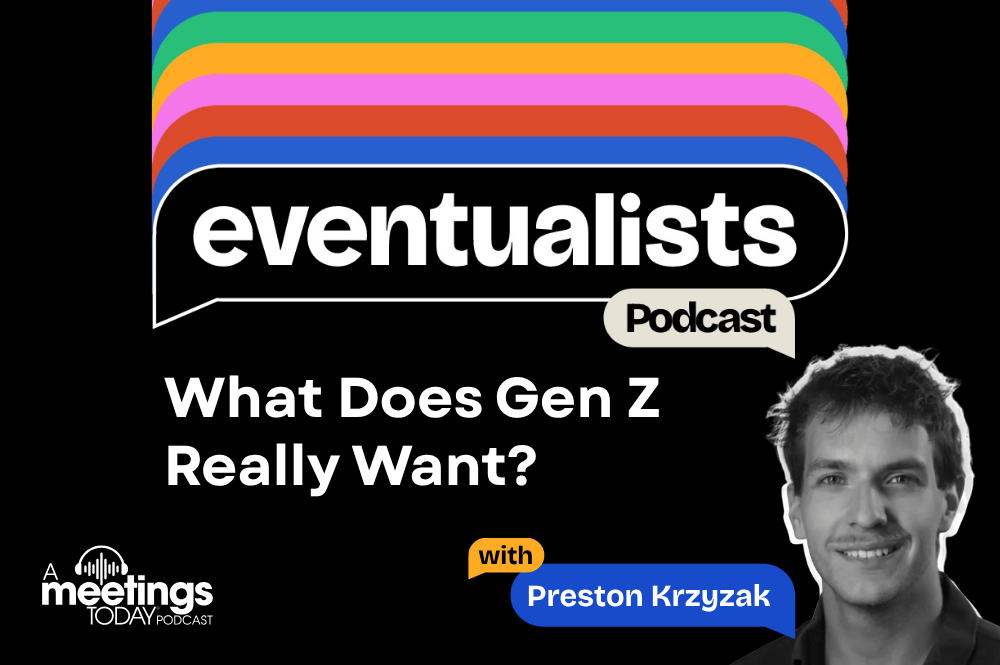
What Does Gen Z Really Want?
Every generation has its labels. Gen Zers are often described as job-hoppers who are purpose-driven, as tech-dependent individuals who are too online, as highly sensitive employees who are impossible to manage—but what is Gen Z actually like to work with? What do they want from their careers, and are leaders really listening?
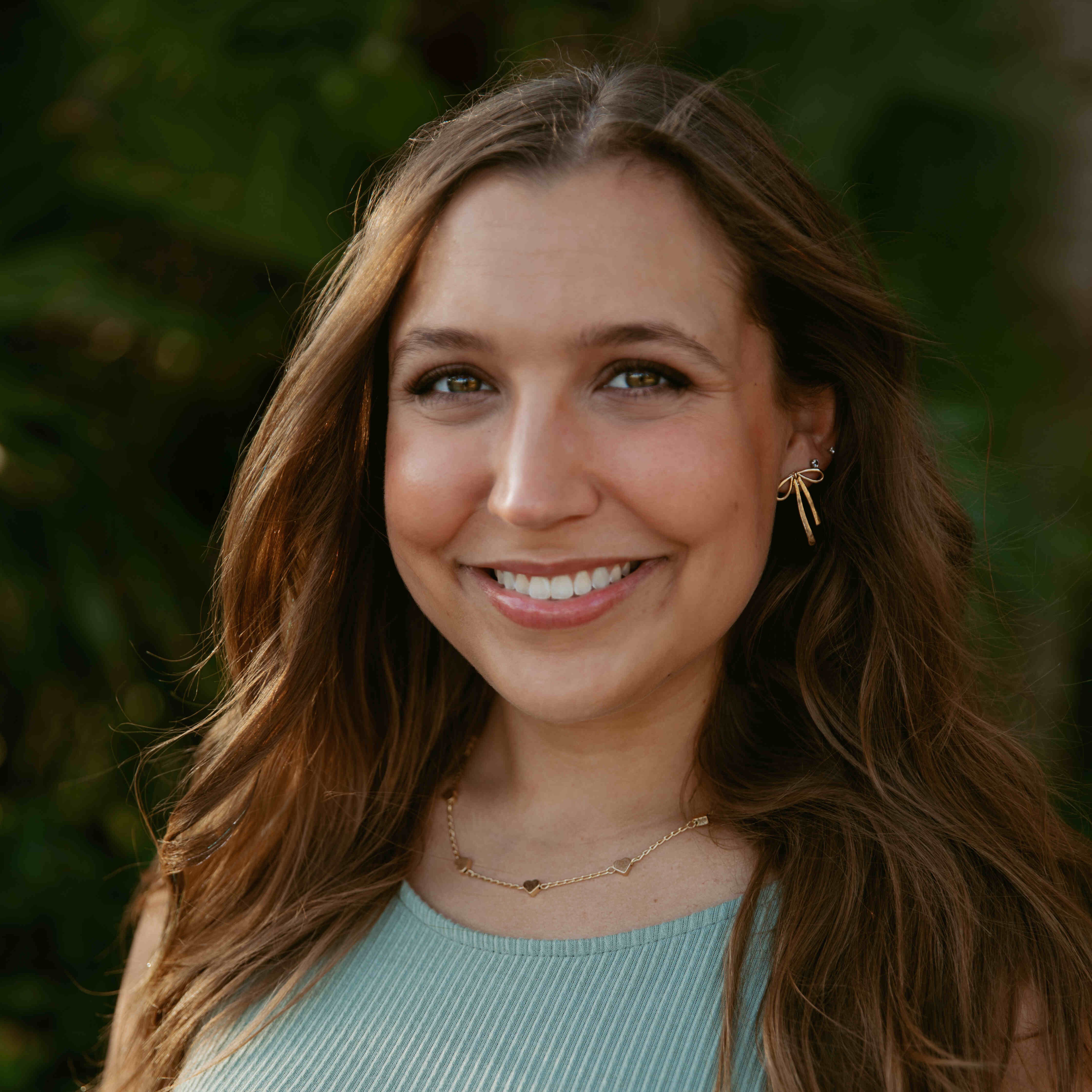
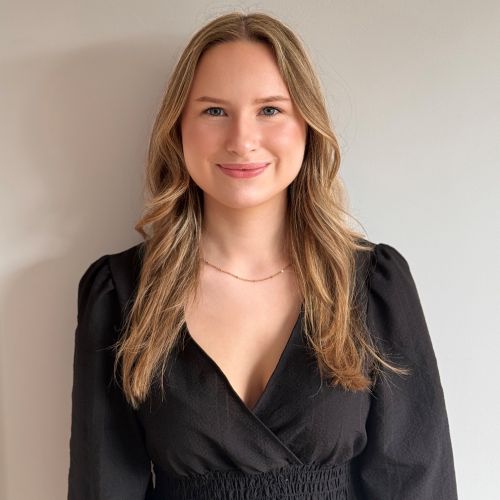
In this episode of Eventualists, co-hosts Taylor Smith and Hannah Elston speak with guest Preston Krzyzak, customer engagement and growth manager at Soundings, to unpack the reality behind the labels, headlines and stereotypes. From flexibility and feedback to financial security and work-life balance, the Eventualists explore what matters most to the next generation entering the events industry.
This episode is for senior leaders trying to retain emerging talent, and for young professionals navigating constantly evolving, sometimes outdated workplaces.
If we want the industry to evolve, we need to understand the generation shaping its future.
Listen now:
Meet Our Guest:

Preston Krzyzak, is a customer engagement and growth manager at Soundings. Krzyzak is dedicated to ensuring client success and strategic alignment are always at the forefront. With a background in leadership, sales and startups, he brings a unique blend of creativity and strategic thinking to the meetings and events industry. Preston excels at matching the right talent to the right teams, driving high-impact outcomes for every project. His passion for people, consulting and philanthropy fuels his consultative approach.
Transcript:
Editors note: The following transcription was exported from Microsoft Teams and proofed by our editors. Although it is very accurate, there inevitably will be some mistakes, so please consider that when reading. Thank you.
Hannah Elston
Welcome to eventualists, real stories, eventual experiences, a new Meetings Today podcast for tomorrow's talent and today's leaders, co-hosted by me, Hannah Elston.
Taylor Smith
And me, Taylor Smith, the eventualists sheds light on the unexpected realities of life as a business events industry professional and today we are excited to welcome our next guest. But before we do, Hannah, why don't you share one of your favorite moments from our last episode, which featured our first ever guest on eventualists, Tyler Sturdivant, in case our listeners missed it and need a little recap.
Hannah Elston
Yeah, of course. I mean, firstly, snaps for Tyler because she was absolutely incredible and definitely want to hear more of her voice in the industry moving forward. She talks a lot about standing up for yourself and your own career progression, making things happen for you and being an advocate for yourself and also reaching out for help when you need it. I just think she had so many insightful bits of information there to help you navigate your expectations when you're starting a career. Taylor, was there something that you took away from that podcast you wanted to share?
Taylor Smith
I loved hearing Tyler's story because I was in Calgary last week with Tourism Calgary on a fam trip and we were at lunch one day. I was speaking to another attendee and we were talking about how the average amount of time that today's employees stay at a company, mostly Gen Z, but in general is 2.2 years.
For me, approaching my fourth year at Meetings Today and then hearing from Tyler how she started as an intern and now she's assistant manager of events there. It was inspiring for me to hear that because I think a lot of Gen Z feels like they have to jump around to find opportunities right now, and they have to jump around and go to the next company to get that next paycheck and that next pay bump and seeing that there are opportunities out there for people where companies offer those opportunities for growth, I think was very heartwarming to know that someone feels so happy and comfortable in their job and they're given those opportunities and that's ultimately what we want to create more of for Gen Z. I think her story was very relatable for me. Now just for fun question for you, Hannah. What's a small win you're celebrating lately?
Hannah Elston
I mentioned on the last podcast that I was going skiing in the Alps, which I have now completed, and I learned how to parallel ski. Which was very exciting. A lot of falling over, a lot of bruises, but I have left with a new skill, which is fantastic. So, I'm celebrating that.
Another thing that I am celebrating is my third cup of coffee of the day. It is 20 past five. It's been one of those days as an event professional where you think, how else am I going to survive than copious amounts of caffeine. Now here I am recording this podcast with you.
Taylor, what is something that you want to celebrate today?
Taylor Smith
I think a small win I want to celebrate is seeing the three sisters in Banff is something that as the oldest of three sisters, that was just a very cool, spiritual nature filled experience for me and I loved it.
Taylor Smith
Now let's get into the latest with a new eventualist, Preston Krzyzak, customer engagement and growth manager at Soundings. In his role, Preston is dedicated to ensuring client success with a background in leadership, sales and start-ups. He brings a unique blend of creativity and strategic thinking to the meetings and events industry.
Hannah Elston
Preston excels at matching the right talent to the right teams. His passion for people, consulting and philanthropy fuels his business approach.
Taylor Smith
Today, Preston joins us to unpack the reality behind the labels, headlines and stereotypes. From flexibility and feedback to financial security and work life balance, the eventualists explore what matters most to the next generation entering the events industry. Preston, thanks for joining us today.
Preston Krzyzak
Oh, it is such a joy to be joined by you two. Super excited about the opportunity and platform that we have and most importantly, just to hang out for a little bit and chat, right?
Taylor Smith
Right. Before we get started, Preston, do you want to take a moment to introduce yourself a little bit beyond what I shared and maybe share a bit about your leadership experiences and what inspired us to have this conversation today?
Preston Krzyzak
Yeah, of course. I am Preston. I grew up in the Chicago suburbs and then moved to the city afterwards. I went to Miami University. But funny enough, I did not graduate with any event background there. I actually graduated with a finance degree. So, you know, coming into the events industry, I think sometimes it's not a linear trajectory, and sometimes it just unfolds in different ways. And I think that's what happened for me.
Now I am currently at Soundings Connect. We are a talent community that primarily places freelance talent with the industry for different corporations, agencies and associations in the world. So, for my role in that company, I work with clients and ultimately look to place talent, drive growth within those current accounts, but then also bring in new opportunities in. So that's kind of been my current background with employment.
Taylor Smith
Being in your position where you not only match clients but talent in with companies, right, I think that really sets you up for this conversation. You know on both sides what companies are looking for, but also what Gen Z wants. So, I'm excited to talk to you today about it.
Hannah Elston
Preston, thank you for sharing more about your story and how you know you came to be in this role. I think something we like to ask all of our guests when we have them on is how do you think your experience makes you an eventualist?
Preston Krzyzak
Yeah. So when I think of eventualists, I don't necessarily think age determines that factor because my definition and my feeling towards it is wanting to grow, it's wanting to learn and ultimately become better within the industry. I think for us, no matter where you are in your career, no matter where you are in life. The want to grow and the want to learn and become better—I think there's beauty in that. I think that mentality is always ingrained into me as the idea of being an eventualist and to continuously want to grow and continuously want to develop and ultimately dream and change make and lead a generation of what's to come and how we can ultimately grow and shape this industry for the better and together.
Taylor Smith
I think your mentality there and how you approach these growth opportunities not just for yourself. Your story just completely flips so many labels and stereotypes that Gen Z experiences on its head. If you put yourself next to all those labels, it's just like Preston doesn't fit into any of these. He is on the outside of all these lazy, entitled, words that get thrown at us put on Gen Z all the time.
There's often a gap, right? Because of these stereotypes and labels between how Gen Z is understood and perceived by older generations versus how they perceive themselves and what they're experiencing. From your perspective, why do you think this gap exists between how Gen Z employees see themselves and how some leaders or hiring managers perceive them in their roles?
Preston Krzyzak
Yeah, I think that's a great question. I think when we look at Gen Z, there's the narrative of this idea of work life balance. I think that's a big push when we compare...Gen Z wants more days off and we want flexibility in our schedule and we want to have this work life balance, right. Because the way the industry is moving and the way we do our job has changed dramatically with the increase in digital work. I think it's kind of changed from work-life balance to just quality of life, right? You cannot blame a generation for just wanting to enjoy their life and have more power within that, right?
And when we look at what has shaped Gen Z, I think we have to take it back from how we grew up in our community. We've gone through pre-K to 12 having community, having structure all our lives. For the ones who went to university, you have even more community. It's hard not to have community in college. There's so many opportunities to be involved with different organizations, community involvement. And then we have all this structure, right? You have class, you have your schedule. Obviously, there's less structure because it points you in the way where you have to control your own schedule. You live on your own now, but that sense is still there.
We leave college, you're back into the real world and there's just all this new opportunity and it could be daunting at times, but at the same way, traditionally we've had the idea of work being your second place, right? Outside of home, work was your second place. In high school, school was your second place. And then traditionally we have work as our second place, but with the increasement in hybrid work or even fully remote virtual work that has changed where your second place is no longer that structured work environment, your second place is kind of set up for you.
And I think that drives into the idea of isolation, that our industry, our generation is as isolated as possible. We are as lonely as possible. We called it the lonely generation because we have the rise of technology and social media, but we also have this rise of the way that structure around us has changed.
And I think that has led to all this depression—we're the most depressed generation. Anxiety is at an all-time high because we're lonely. We don't have that human interaction. And I think what drives those different facts when we talk about mental health, when we talk about depression, when we talk about anxiety, things that are not talked about enough in our generation are the root causes for that.
And then we throw on top of social media and the facade that we see people are living these lives, and it's a fake reality, but we compare ourselves to what is being seen. And sometimes they say comparison is a thief of joy. And I think that's why we are so sad and lonely and depressed and what does that lead to in the workplace. I think we have to start there and have the conversation about what the actual impacts are and where that came from.
Taylor Smith
Are we creating an environment where Gen Z can really thrive, where we're meeting their needs?
Hannah Elston
I feel like what you touched on there as well, Preston. It's such a sad irony that this generation is more connected than any other generation has ever been. And at the same time, we've never been so lonely. You know you have your entire contact book at your fingertips at all times. But because we've removed that physical aspect and that need to physically be there for each other, it's so much easier to feel more lonely. I mean, even when you have loads of connections that you might never even see, it's such a crazy concept.
If we were to go back and tell someone 100 years in the past that this is how we would all be working and communicating with each other and that people are falling in love with people they've never even seen before or don't know if they are who they say they are, it's just absolutely ridiculous how connection has changed as time has gone on and it's definitely had an effect on us as a generation as a whole. And
I think it's interesting that some people wouldn't necessarily see it that way or, don't understand why we are a little bit more dissociated when actually everything that's happened to us since we've been born has been so different. The way that technology has advanced since the year 2000. That advancement in just 25 years is at a rate that no other generation has ever seen before.
If you talk to someone who was born in 2000 and also someone like my brother who was born in 2007, in just seven years, our experiences are so incredibly different. He's 18 right now, but his reality with technology is so different than mine. I still had cassette tapes video players, but he doesn't even know what that is or never owned one. It's so interesting how it has changed so quickly and I feel like it's incomparable to what other people have experienced. Touching on that, what do you think Gen Z are hoping to find from the workforce today that maybe previous generations didn't prioritize as much?
Preston Krzyzak
Yeah, I think the idea of flexibility has definitely been an increase in wants, and when we look at why—why does our generation care about flexibility and the need to have guidelines? We're more transparent about what we want from this—what we will have and what we will not take, and I think that comes from different developments.
When we look at flexibility, I think the first thing is we're the first generation that has fully moved into this hybrid working style when we traditionally have always worked a banker's hour, right, a nine to five, right with the in-personness. That has completely shifted right now. In COVID, that [working from home] had really increased. Working from home is at an all-time high, but also working beyond that nine to five schedule has changed tremendously because now you are taking your office to your own place.
In theory, you are on call 24/7. Obviously, that's a big over exaggeration, but the point remains true, because you're not in the office does not mean you are not working at that time. Now, we are in a generation that is 27%, a part of the workforce, and it's only going to be increasing. We grew up in that change through school and now, we see how involved technology is in our day and beyond working, typical working structure, we want to incorporate our life within that work style.
Typically at 5:00 you’re done. You go home and you have the rest of your day. But now that has changed. How can we incorporate things that we want? Not necessarily for that work life balance, but that quality-of-life factor to make sure that you are doing things that you still want to do within your work schedule. It's about the blend. It's not necessarily about I want to do this at this time and this at this time, but how can I make everything work cohesively so I can enjoy my life while doing work within my life versus just completely oscillating the two.
Hannah Elston
I feel like such a good example for this as well is when you have a doctor's appointment or a dentist appointment or anything that you need to do where it's so conveniently placed within the middle of your day. Thinking back even 20 years ago, people would have to request that time and then make sure they get there and then log that in and they wouldn't be paid for that time,but actually having that flexibility, it means I can tell who I'm reporting to that I have an appointment at 11. I'll go to that, I'll come back, I'll make up the time later because my laptop is just up my stairs.
It's having that flexibility with the schedule—we're not asking for less time at the desk. We're just asking to break that time up so that we can still do other things in our life that we need to do or that give us fulfillment. Sometimes it's nice to actually go and have lunch with a friend that lives nearby because I'm fortunate enough to be able to do that when working from home, and that might mean maybe I spend an extra half an hour there, but that's fine because I started work an hour earlier because I didn't have to commute in. So, I think you're right, it's sort of allowing us to shift our working time around other elements that give us a better quality of life.
Taylor Smith
For me, when it comes to flexibility, I work entirely remote. I've never worked in an office setting before. My office is down three flights of stairs in the basement, and that's where I spend most of my days. But one thing that I appreciate most about the flexibility is as a creative, my writer brain does not turn on until later in the day. That is just the reality. If you sit me down at 8:00 a.m. and tell me to crank out 1000 words for you, those words are not going to sound great. They are going to struggle on that page, but tell me to write 1000 words at 4:00 p.m. and that's easy peasy for me.
One thing that I've really appreciated about the flexibility and being able to work from home is when I am hitting that wall and I'm not getting writing done in the morning. I could throw my laundry in or I could catch up on email or do something that is not as tedious on my brain. Later in the day, if I know that I'll be writing 5:00 to 8:00 p.m., sometimes I take a longer lunch break and communicating that with my boss, making sure he's aware I might be gone an hour and a half today, but you could check my team's bubble at 6:30 and you'll see that it's still green and I'm still working hard. That has been so appreciated by me and so rewarding because my writing is better because of that flexibility that I'm given and my job feels easier because I'm able to do it when I know I will be most productive in certain ways.
I think that's something that remote work has made possible and also something that Gen Z is normalizing a bit more. I know I'm very privileged to be able to write and get creative at night and spread those hours apart. That's something that I think the world is just shifting to doing more often, and this work life balance, like Preston said, I don't know if it's work-life balance or just quality of life. That's when I work best. That's how my life works best when I can split it up during the day.
Hannah Elston
I think you touched on something really important there and it's about communication. We have this label that we are entitled sometimes, we see it everywhere. ‘Gen Z are entitled or ‘they think this’ and ‘they think that.’
If you assume we can just go and take two hours for our lunch or we can just go and do this, then yes, that is going to come across as entitled, but it's having that communication with your superior and saying ‘this is what I would like to do. This is going to make me work better in the long run. Please can I go ahead and do this.’
That's where we move away from entitlement, and we come into recognizing this and actually everything that you still want to get done is going to get done, but actually to a better degree, because I'm going to come back more refreshed. I'm going to come back with less things on my mind or being less stressed and not feeling micromanaged. I feel like all of that stems from just communicating well with your boss and not being afraid to do that.
Taylor Smith
And that kind of ties into this next question that I have for Preston, which we are being more open about flexibility and work-life balance, and I think Gen Z is much more open about stating their needs and being outspoken when it comes to that. When it comes to this flexibility and work-life balance, Preston, do you think
this is a generational shift? Or do you think it's something that previous generations have always wanted but maybe didn't feel empowered enough to ask for at the time?
Preston Krzyzak
Yeah, I think that's a great question and I think it's unique because when we look back at work-life balance...where has that originated from?
I think we have such an increase in technology and I think we touched on this just previously, but with COVID happening and the work of digital. The ask for work-life balance, I think it's new, right? When we look back on the older generations where your office was stationary, and there was a structure and a corporate time. I know some industries work in different ways where you are working past 5:00. If you're an investment banker in the 1990s or whatever, you are working past 5:00. I understand there’s different time allotments for different needs and jobs. But the point is, your office was in person, right?
When we talk to the older generations there's the idea that for hard work, you have to put in the long hours, you have to put in the hard work because your reward will come afterwards. But I think that tonality and shift has changed, right? Now it's like, what are we wanting for? Obviously we want to be great in our career. We want to be successful. We want to be rich. Who doesn't want to be rich, right?
I think also it's about how can we enjoy the now? How can we maximize this? Especially with the rise of technology and we're moving away from working in the office to how can we make that all blend better together. I think it's a newer ask, and we look at millennials or even Gen X, where they have adopted that culture of being able to be hybrid and remote.
I think there's one thing too that I want to touch on was Gen Z doesn't want to be fully remote, right? The idea that community is so important, I think that gets under talked about especially when we're in a generation that is so lonely. We want that community, but I think how can we blend community but also be efficient, and I think that's the hybrid working model I think is really going to be the future, because we talk about asynchronous work. Taylor, you work best at 10:00 p.m. you don't work best at 8:00 a.m.
Taylor Smith
I'm writing away in the middle of the night, man.
Preston Krzyzak
Right. Because a lot of times we talk about where, but it's also about when too. I think that's the power in it. How can we blend both together? I think the hybrid working style is really going to be powerful because we want that community, but we also want that flexibility to work out because we want a dynamic and creative life where everything is not the same copy and paste. We want that ability to flex up and flex down. I think it's interesting in our generation of how we can get there to fully maximize and change the new era of working.
Taylor Smith
I think the meetings and events industry is especially positioned to be able to do that, right? We're literally here to build that community, to create opportunities for people to find communities and network and going back to the loneliness epidemic, which is what we're experiencing in the States, especially with Gen Z.
Facing that and getting Gen Z into a room with others like them, whether it be in their professional lives or personal, whatever, that's literally what our careers in this industry is here to do. I think that's something that needs to be emphasized too, is we can create these opportunities where we're building community and answering Gen Z's calls and needs just by nature of doing what we do. That's something I wanted to point out too.
Preston Krzyzak
Absolutely. I think it's unique too, because when we define hybrid, hybrid can mean so many things. And I think especially within our industry, we are an industry that's built to combat our problem of being away, we are community, we put people together. I think it's so wonderful and I think especially within our generation living right now where we don't have enough community, it's how can we combat that and try to bring as many people together. I think it's like whether it's in office or just traveling to the events and programs or just being collective with your team to have that face-to-face time, I think there's a lot of wonder in that of being able to have a nice mix and blend between both.
Taylor Smith
I remember when I started at Meetings Today, my interview was on Zoom, I started in May of 2022 and I didn't meet Tyler. Tyler Davidson, my boss, chief content director of Meetings Today until IMEX that year. So, in October, all I knew of Tyler was this little square box on my screen. I knew that he was awesome. I knew that I could talk to him about stuff, but I'd never met him, and until I had the opportunity to, it's weird, right? You're like, ‘you want me to trust this person.’ And I did trust him and I felt Tyler was so communicative and open and this was the first time he was really training a Gen Zer under his wing too, who worked in not only a different place, not in an office, but I was in Chicago and he was in North Carolina. We were so far apart and I had no opportunity to build a relationship with my mentor or my boss and show him who I am outside of these Teams calls.
That puts a lot of pressure on a new hire to build that trust like Tyler Sturdivant was talking about in our first episode when you haven't even met them in person. And when I did meet them that IMEX, it was the most magical moment. I was like, ‘oh my gosh, there's more to you than just this little icon I see on teams every day.’ That's when I felt my relationships with my team really started to form and they really got to know who I am outside of the professional hat I wear on calls or interviews.
Hannah Elston
I was just going to say that was the beginning of your career, Taylor. So, your whole introduction into not just this industry, but into working life as a Gen Z was to not even have met your boss in person for the first six months.
I think that's true for so many of us. When we go back to talking about what it is Gen Z wants, I think we actually want a little bit of understanding that these things are hard for us because of these scenarios that we've been put in. Networking, for example, we haven't even set foot in an office. We haven't had to do this in person before. You're saying, you just sat behind a desk for the first six months and now all of a sudden go out in the wild.
I think something that Gen Z really values is communication, transparency and just a little bit of acknowledgement of, ‘hey, maybe I'm not going to know exactly what I'm doing, but that is because this is my first time coming into working life and all I've ever known is my own space and my own screen and my own safety.’ So, maybe we do need a little bit of hand holding sometimes but just think about why and how daunting that would be if you were starting your work life. I mean, I started my career in the pandemic in the events industry, so that was an insane concept, you never went into an office. I didn't step into an office for the first two years. I remember seeing everyone being like, ‘oh my God, you're way shorter than I thought you'd be or way taller than I thought you'd be’ and having that moment. It's interesting how it's great we're able to build these relationships behind a screen, but then, never going to be quite the same and just having some understanding and some empathy that Gen Z are the way that they are because of this, because this is their introduction, is something that I think we want from leadership.
Taylor Smith
I think Gen Z in general just values that frequent feedback and transparency. So both, you know, even when they are in an office setting, but especially when they're remote, how can leaders provide that feedback, Preston, without feeling like they're constantly micromanaging Gen Z or like we said, handholding. Is it really about feedback or something deeper like trust and visibility and establishing those relationships even when you are on opposite sides of the country?
Preston Krzyzak
It's about being seen and heard, right? I think at the end of the day, every human just wants to be seen and heard. So that transparency, obviously it's vital just to make sure that you can grow within your role and make sure that you are being a team player and become successful at what you are currently doing, but I think the deeper meaning is we want to be visible. We want the opportunity. Do you see me? Do you hear me? Do you actually listen to me?
I think we really value that, and where does that come from? Well, I think that's a human nature thing, but specifically within our industry, again, tying back to the epidemic, the idea that we're more isolated, we really crave and cultivate those moments where we can build that community and building that community with leaders, that I think is really valuable for us.
From the leadership perspective, I think it's a point where you don't want to micromanage and sometimes it could almost be an annoyance where it's like, ‘they're always asking for this and they always want reassurance.’ I cannot provide you reassurance. I do not have time to provide you reassurance, you are my employee. I'd love to support you and motivate you and mentor you, but I cannot provide that reassurance every day because I do not have that time.
I think it's, maybe changing the way we view that need to challenge your employees, You have to get uncomfortable to really grow and to really move past an obstacle. We have to put ourselves in uncomfortable situations to really understand, fall on the ground, and get back up and know how to move forward in those moments. I think for leaders, it's really challenge your employees, but also making it a community where you are still having the idea of trust.
I sometimes view this and I look at you two, and I think how you are so successful in your career and your current role. You have empowerment from leadership, you have the opportunity to do things that you want to do and then you have the platform that you enjoy. And I think that ultimately cultivates the idea that you have purpose. You're doing purpose-driven work, and when you're doing purpose-driven work, you have motivated employees and it all comes together and it works together and that builds team culture that your output is better as an employee. Ooverall, I think that leads to a more successful relationship. If we don't have passion in what we care about, we don't have the purpose, we don't believe in our company, I think that's where the. The line separates further and further and that's when we become bad workers.
Taylor Smith
I completely agree with that. I think that purpose-driven—that's a label that Gen Z gets, and some people think it's a good thing, some people think it's not the greatest, but one thing that I think sets Gen Z apart is unlike other generations, when they saw a job, it was just a job. It was just what they did, where they had to go from 9:00 to 5:00 every day to make money. It was not so much a part of their identity as careers are for Gen Z.
Who I am as a writer, as a B2B journalist in the meetings and events industry, that is a part of me. That is how I identify. I am a writer through and through, to my core. That's not just a job title for me. That is something I've done since I was eight years old, my passion is behind that. I do feel like I have a purpose, and I think that's another thing that might be why they explore different roles and try different things and hop around in industries, because we are just trying to find a job that makes us feel like work isn't punishment and it's not something we have to do. It's something we want and enjoy doing. I guess we did get a viewer question that kind of relates to this where Gen Z stereotype is ”job hoppers.” There's a lot of conversation around that. I mentioned earlier that the average length of time that people are staying in their jobs today is 2.2 years. I'm approaching four, so I'm already doubling that and that blows my mind, but in your experience, especially working with freelancers and companies and connecting employees to one another, is that really about loyalty or is it more about like this lack of growth opportunities or lack of purpose where they are and this desire to want to find something that does fulfill their needs?
Preston Krzyzak
I think it's twofold, what we look at today with the ability to get new jobs it’s the easiest, not necessarily that the job market's booming and it's lustrous opportunities everywhere, but I'm saying the ability to get new jobs and the platforms that exist with technology and LinkedIn, like you open up your phone and I have five jobs that you're a good fit for in your face. The technology that has been built and that has been put on us has now almost suffocated us with all these, new job hirings.
The ability to have interest in wanting to move new jobs is at an all-time high because of technology in general, but beyond that, I think human nature will never leave a good opportunity that's right for you. We don't just have the knack to move and switch.
I watched this Ted talk earlier, and I think there was a shift in the generational impact. They asked this question to everybody standing, it was, sit if you agree with this, stand if you want to. It was about 60/40. The 60% that were remaining standing were asked would you rather work the same job every day for the rest of your life, every year like you stay at one job or you have to switch jobs every year for the rest of your life, and this was more Gen X, millennial and the boomer generations. 60% wanted to stay at the same job, right? They switched that with our generation and it was the inverse. I think it was 70/30. 70% of Gen Z would switch jobs, but when we look at that, I think it's just we want to learn from different people, grow from different opportunities to fully cultivate our minds and have this diverse perspective and work in different areas. As “job hoppers,” I think we really want loyalty and we want trust and when it's a good opportunity, that's when we have that career progression and we're able to be successful in what we want to do, we will stay there, but when things go South, I think because it's easier to move opportunities that could maybe lead to that transition to switch. I know it's also really tied to financial security and money stuff.
Hannah Elston
I can't believe that statistic, Preston, about the millennials and Gen X actually wanting to stay.
Not everyone, but the majority wanting to stay in one role forever. I think that's taken me by surprise, but I'm not surprised at the alternative with Gen Z saying that they would rather have a different job every year. And I think you've hit the nail on the head about it being more about experience and learning from lots of different avenues. I think that is something that the events industry can offer really well, especially with positions in agencies. Being able to work on different projects and different events whilst all staying in one role is amazing. For the most part, there are so many different things that organizations and companies can offer us that make them attractive to add to our CV or our resumes, and those learnings that we can take from working with new people. If you're going to work with the same people all the time behind the same screen, then you're not going to learn new things, are you?I can see why that's appealing.
And the other thing you mentioned, which I'm glad you did, because I love getting a little bit awkward and talking openly about this, is financial security. Now, financial security is becoming a bigger topic for younger professionals right now. How do you think, Preston, that money and stability are shaping career decisions that Gen Z is making
Preston Krzyzak
I think the first thing I want to point out is that for all generations, money matters. Financial security matters too. When you look at Gen X, for example, I think it was 2008 when they were more earlier career, and we had 9/11 and the war. There's always been a turn of events that have impacted everybody's job security. So, what's happening right now with the AI bubble or past COVID, there's been similar events, maybe to different magnitudes, but everyone's been affecting the job culture. So, I understand from all perspectives that the job hunt and the job search
is different. We've always wanted to fight for higher salaries and I think when we talk about salaries, I don't think it's just a generation thing. That's an industry thing. Our generation as a whole, we are projected to be less wealthy than our parents. The first generation to happen to.
Taylor Smith
The first generation ever. Yeah, first generation that'll happen to.
Preston Krzyzak
That's scary that we're going to be less wealthy. When we think about different ways, it's like a lot of people talk about the bank of mom and dad, or taking on loans and debt, and can the government repay my student loans? We have all these conversations, but nothing's materialized. I think it's a scary situation. Home ownership is at the lowest right now for our generation. We're getting married later.
We're having families later in life, and we're owning later in life. We have this longer period after college where it's almost like an open book for what's going to happen because there is no road map to success and that road map is getting delayed.
I think that even compares to what we talked about with our whole community factor where we don't have our own family early in our lives. I think it's interesting to look at the finance piece, it's like how we want stability and we want to have that quality of life again. I think a lot of people when they look at new opportunities, it's like can I afford to move into a city and or do I have to live with four new roommates? Or can I even move into the city or do I have to still stay at home? I think a big thing is just getting out of your parents' house after college.
Taylor Smith
Yeah, anyone wanna let me know when that'll happen?
Preston Krzyzak
You've lived your whole life. You went through school for four years, you've done all this and you had this sense of empowerment afterwards. You leave college where it's like, I can start my own life and start my own career. And then it's like, oh, JK, you're going back home, you're under your parent's control again and now you're working again. I think that sense of wanting to have ownership in your life is it gets removed and the financial barrier is always going to be the biggest separation factor. I did read this one report though from Deloitte. It said 50% of our generation has side hustles or side income or side interests.
Taylor Smith
That does not surprise me. And the there's an increase in entrepreneurship too, because instead of taking jobs for other people, Gen Z's like, well, screw that. I'm going to go work for myself and start my own business. A lot of them are doing creative things, so I think that's kind of interesting too.
Hannah Elston
I think a lot of us see the lifestyle that can be when you have that extra income, and I don't know about you two, but I have tried to do a solo entrepreneur moment. I've come up with so many different ideas to try and start a business and start making my own money on the side and working in events, trying to find that work-life balance already and then trying to work a side hustle into that to give that extra income. Man, that's hard. I think this is why a lot of us unfortunately need someone to move in with because I can't do this solo. I can't pay those bills solo and work a full-time job and also make a side hustle work sustainably. Some of us are fantastic and obviously can, but that's very hard and I think especially within our industry and how much time we give on weekends. Sometimes, I've got to travel halfway across the world on the weekend for an event, right? Trying to incorporate that and starting a business and maintaining that and also doing what's expected of me at work is very, very hard.
I was just looking at some good old stats on inflation, as we all love, and I thought I'd see how things are compared to when we were born, right? Let's look at that. When we were born into this world, what did our parents think for us? The national average house prices was 4.5 times the average salary when we were born and now, it's already gone up over eight times the average sum, which is why you need two people working to make sure you can actually afford somewhere.
That is a hard reality when you're scrolling on Instagram and there are 26 year olds that are partying on yachts and going to the Louis Vuitton store and showing off everything they're getting because they're a solo entrepreneur and they did it this way and they're an influencer and all of this stuff. And you're like, OK, I'm working as hard as I possibly can. I'm giving all these extra hours, even with a side hustle, those things are not always attainable and I feel like there's an element of fantasy versus reality here and the reality hurts, and we just want to be paid a little more to get a little closer to that goal because every little bit helps, especially in this cost-of-living crisis that we're in now and have been in for so long.
Taylor Smith
I think it will become even more interesting as we approach 2030 and Gen Z officially takes over as the number one generation in the workforce. We are no longer trickling in. We're coming in hot, coming in waves, and eventually we're going to be running the show, right? In a couple years, we will be taking on those leadership roles.
In the industry and just in the workforce in general, that is going to create a shift in a lot of ways, I think. So, to wrap up today, Preston, how, if you could predict the future...if you had a magic crystal ball, how do you think workplace culture in the events industry might evolve over the next decade people like us start taking over.
Preston Krzyzak
Yeah, I will write this down or this is going to be a really cold take in the future. I think one thing is right now we're in a really interesting time on a political side of things, on a technology side of things. We don't know what tomorrow is going to look like, right? We don't. I think right now when we look in the situation with AI, it is ridiculous how fast it is moving, really it's every day there's something new and it's progressing at a crazy speed and we cannot adopt it. I'm so curious to see how that is going to evolve into our workforce and how much it's going to empower us but also diminish us.
I think it's an interesting take there, but I think when we look at our generation and what we want from the industry, I think the big thing is we value community and we always want that community and the idea of community being taken away or just having a different sense of that. I'd invest into the industry at a large because I think we're really going to empower the idea. We are the solution to this national problem of how we are isolated. I think there's different ways that different generations come to this. Associations are really large in our industry. We have it, Taylor. We know each other through SITE. That's an association we're connected to. And you know, you have MPI, you have PCMA, you have all these different associations, right?
I know associations have been incredibly powerful for Millennials and Gen X—and even for Boomers, where many of these industries really began. I’m not sure our generation fully takes advantage of those same associations. That’s something worth thinking about: why is that, and how can we change it? There’s a strong sense of community there, and we should be asking what our approach will be. Are we doing something unique within the association world? Are there different ways we can connect and build community? Those are important questions to explore.
Looking ahead 10 years, I think our generation will really want to bring that sense of community back—encouraging togetherness and collective engagement at an all-time high—while also empowering Gen Z. One example that really stood out to me is Gucci. In 2017, as their customer base skewed older, they created a Gen Z and young Millennial shadow committee. By doing that, they significantly increased revenue over the following years because they were marketing to audiences they didn’t fully understand before. Bringing those voices into the room helped them connect with a new generation.
I love this idea of deeper generational involvement—through shadow committees, Gen Z communities, or other ways of participating in leadership. It’s not just about being seen, but about having the opportunity to take ownership and run with ideas. That kind of empowerment helps people feel more purposeful, passionate, and connected to outcomes.
I would challenge leaders to ask: how can Gen Z be more involved in leadership, outcomes, and overall strategy—not just execution? There’s so much potential there. Many groundbreaking companies were started by young people: Walt Disney was 21 when he started Disney World; George P. Johnson founded his marketing company at 26; the founder of Marriott was in his mid-to-late 20s; Reggie Aggarwal started Cvent at around 30. These foundational companies were built by young leaders with vision, drive, and a desire to create change.
When we look at leadership today, the question becomes: how can we continue to empower the next generation and give them real opportunities to lead and shape the future?
Taylor Smith
No, I think it all goes back to why Hannah and I started this podcast, which is stop talking about Gen Z and invite us to be a part of the conversation too.
Hannah Elston
I love that so much. I think that is the perfect note to wrap up with today. Thank you so much, Preston, for sharing your wisdom and your experience with us. This has been such a fun conversation actually. I've really enjoyed spending time with you today, so thank you for taking the time to be here.
Preston Krzyzak
Yeah. Well, thank you so much for having me. This was an honor and I wish you all the best of luck as the podcast continues to evolve and develop because I think you two are the best of hosts and I think you guys are so brilliant, so powerful in your career and I think it's only the beginning because you got two stars right here and you're just shining bright every day.
Taylor Smith
Oh, thanks, Preston.
Hannah Elston
That makes us cry, Preston. Taylor, let's do the outro before I burst into tears. Thank you all for listening to this episode of eventualists and diving into real questions and experiences shared by us and our listeners. For more eventualists content, follow Meetings Today's social media platforms and @eventaualists.podcast on Instagram.
Taylor Smith
Whether it's a bold question, an anonymous confession, or a candid conversation with a courageous podcast guest, the eventualists are here to unpack it openly, honestly and without judgment to help teach emerging leaders lessons they will find useful in their careers eventually. We're your co-hosts, Taylor Smith.
Hannah Elston
I'm Hannah Elston. This episode was produced by Meetings Today's Maddie Willis. If you like this conversation, add to it email Maddie at eventualists.podcast@gmail.com.
Taylor Smith
New episodes of eventualists will air every third Thursday of the month. Thanks for tuning in, and we look forward to sharing more experiences and conversations with you eventually