


Wellness nowadays is not an option, it’s a core expectation,” said Oxana Spivey, vice president of wellness standards and education at Wellness in Travel & Tourism (WITT). According to its website, WITT is “the leading wellness brand that sets a foundation for wellness services, products, amenities and practices in the hospitality industry.”
Wellness is one of the fastest-growing sectors in hospitality, and responses from the 2026 Meetings Today Trends Survey found that stress and lack of work-life balance are leading to burnout and early exits from the industry, making wellness an especially important pillar for meeting planners and their groups.
After hearing from professionals who wanted education around wellness in hospitality, Spivey and her WITT colleagues soon announced a new wellness credential for hospitality professionals and meeting planners alike. The WITT Accredited Professional (AP) establishes its criteria based on WITT’s five pillars of wellness, which help to outline expectations for wellness and traveling in a standards-based method.
Outside of the new credential, the WITT standards were originally established to certify hotels, taking a 360-degree view of the entire guest experience.
“We looked at the traveler’s whole experience, from pre-arrival to post-departure,” Spivey said.
The five pillars that outline the criteria for the new WITT credential are as follows:
- Healthy eating ensures that everyone has options that work for them and allergies are accounted for. To meet the needs of guests and travelers, menus must be integrated, nutrient dense and wholesome.
- Holistic healing encompasses all the amenities, services, schedules, classes, treatments, quality of treatment and professionals at a property.
- Nature incorporates the integration of nature indoors and also access to the outdoors.
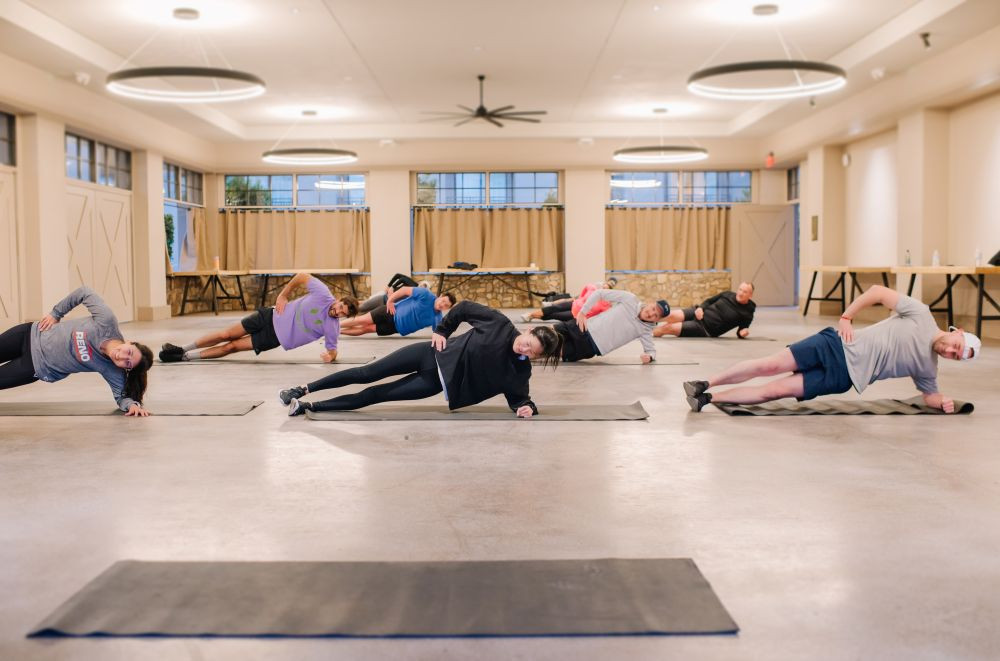
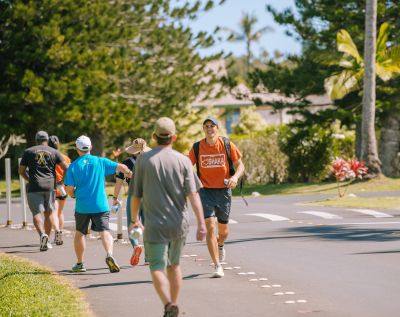
- Movement, or encouraging natural movement, is not limited to fitness centers and yoga studios; it is embracing and advocating any type of movement.
- Local impact is split into two parts: community engagement and sustainability practices.
“This credential really equips them to apply [the pillars] to their work and also strengthen their career,” Spivey said.
One of the first professionals to earn the credential, David T. Stevens, co-founder and wellness architect at Olympian Meeting, said he went through several modules and a test at the end.
“It’s based on the past 18 months of research and collaboration with industry-leading professionals and plenty of positive discourse among them to build amazing first-time benchmarks,” he wrote in a LinkedIn post.
[Related: A Breath of Fresh Air at Meetings]
When it came to what he enjoyed the most about the criteria for the credential, Stevens said, “...it wasn’t a lot of black-and-white stuff. Their movement pillar wasn’t just, ‘You have to have a great gym.’ Because wellness means different things to different people.”
Stevens is a 20-year meetings and events veteran and his firm claims to be the world’s only wellness-first events agency. Stevens also serves on WITT’s Standards Advisory Committee.
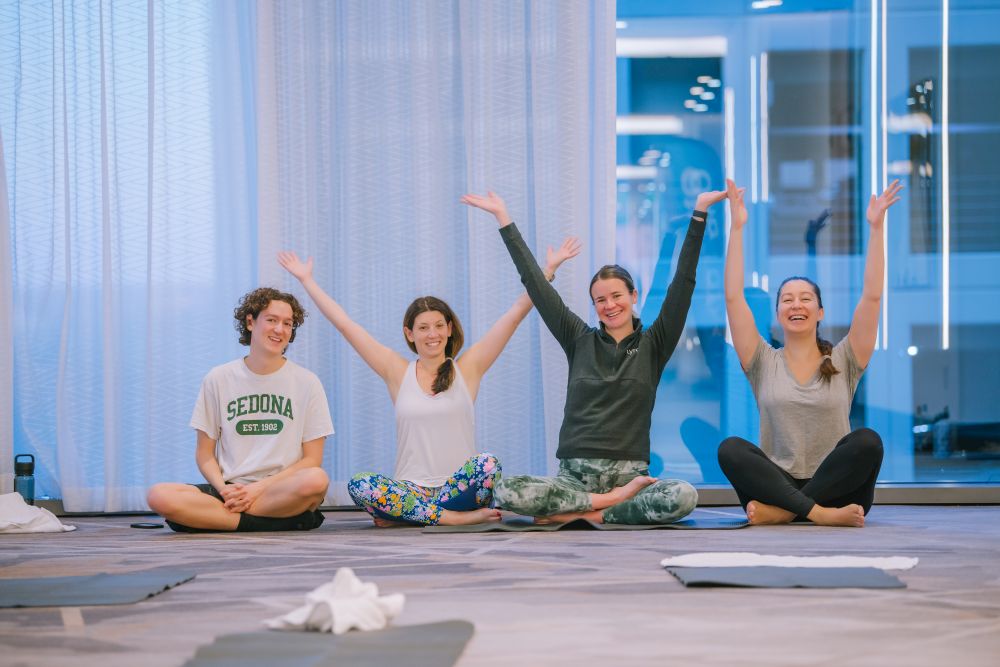
From concerts and tradeshows to incentive trips, Stevens’ mission is always to teach people how to meet better.
“When I met the people from WITT, they were really trying to transform hospitality beyond even wellness tourism, to ensure that wellness is something that you can continue when you travel; you don’t have to compromise on it,” he said. “When I travel, I struggle to find a gym that’s adequate or to find the right food I need.”
And that’s why the accreditation program is special not only to himself, but also his business and his personal life.
“There’s a lack of standards in the wellness space,” Stevens said, “and the fact that they’re building a two-tier—so far—accreditation system for wellness brings a lot of commitment to credibility and creating a baseline for standards that has not existed outside of data and science.”
Applying the WITT Credential to Meetings
For Stevens, wellness has always been top of mind. When he begins planning a meeting or event, wellness is first on the agenda.
“I think that’s what makes us different, is that we start with these things,” Stevens said. “They are at the beginning.”
But for planners interested in the WITT credential and incorporating wellness into their programming, Stevens said, “If you’re trying to show other people that wellness means something to you, and that it’s not just a fad, this is where you start.”
Spivey noted the credential supports ongoing professionals with education and global standards.
“It helps [planners] because it presents a framework for them to work from. It’s not just an assumption or personal perspective,” she said. “It opens their horizon to what can be incorporated for attendees based on attendee preferences.”
The approach also helps with integration of meeting programming. With wellness embedded in the event design, it creates a more memorable experience for attendees.
“Because they will use five pillars of wellness, it can support the experience across the entire journey from how people eat, move, restore, how they can connect to nature, engage with the local community,” Spivey said. “It transforms the program from isolated wellness to healthier and more memorable experiences for the planners.”
[Related: White Spaces, Unscheduled Gaps Give Attendees Breathing Room]
With 105 planners and professionals already accredited, or enrolled in the accreditation program, Spivey believes investing in the future is investing in wellness.
“Wellness is becoming deeply embedded across hospitality, and I believe event planning is naturally moving in that same direction,” she said. “This program truly supports that shift, and designing experiences that truly, authentically care for people.”
“Well-being doesn’t end with one person,” Spivey said. “It has to extend to the community.”
Planner’s Perspective
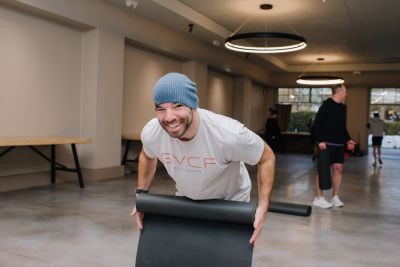
David T. Stevens
Co-Founder and Wellness Architect, Olympian Meeting
eventmarketingauthority.com/olympianmeeting
What made you set out to earn this accreditation?
They had their WITT accreditation that came out maybe a year ago. It was a great starting point, but it was very much a baby step. And then they came out with this most recent one after a number of meetings and group calls with their advisory committee. It’s a lot of passionate people, all having these wonderful conversations to then set the next stage of defining what wellness truly looks like and feels like when it’s done with intention.
What was something new you learned from the program that stuck with you?
I think one of the things was how strongly they focused on connection to local land. The fact that they tied in community mentorship programs was really impactful to me. I think that’s [an important] part of travel, experiencing a local culture and the local food and all those things. And if you don’t get to get out in that city or that destination, does it even count? Did you even go there? It should be a lot more of an experience than just an event.
How will the credential affect meeting and event programming?
What I love about it is that it takes it away from the performative and creates intention behind all of these initiatives. And that’s what’s missing in the wellness space, especially in the events world. People love to do things that look good on Instagram, but they’re not understanding how it impacts the outcome of the event or how it impacts the outcome of the attendee.