
San Francisco, Oakland, San Jose and the San Francisco Peninsula are getting their meetings groove back, with innovative new strategies and always-spectacular urban and natural offerings that charm tourists and delegates alike.
Here’s a look at what’s happening in each.
The San Francisco Peninsula
Just south of San Francisco, San Mateo County—referred to simply as “The Peninsula” by longtime Bay Area residents—is the home of San Francisco International Airport (SFO) and its Highway 101 corridor conglomeration of meetings-ready airport hotels and South San Francisco Conference Center, which is especially popular with technology groups such as AI and biotech.
But just over the Santa Cruz Mountains through groves of towering redwoods is a relatively undeveloped and untapped coast that provides a quintessential Northern California setting for meetings, pre and post trips and incentive travel programs.
[Related: Taking Off: The San Francisco Peninsula Is One of California's Best-Kept Secrets]
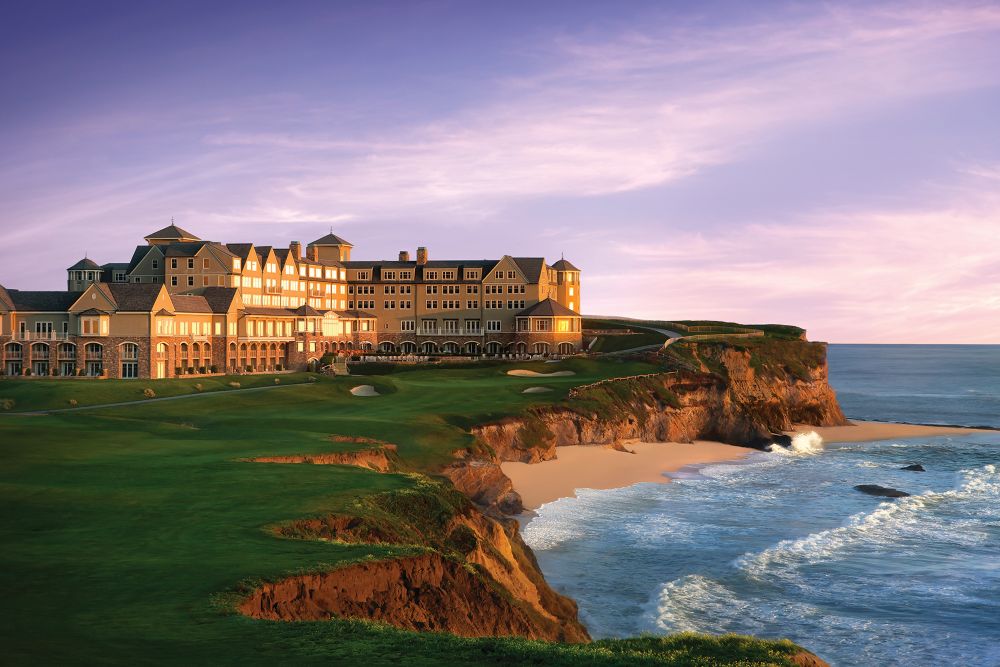
Beach towns such as Pacifica and Half Moon Bay beckon with laid-back boutique hotels and luxe accommodations options such as The Ritz-Carlton, Half Moon Bay. Nature is on full display in places like Filoli, a 16-acre formal garden on a former 654-acre estate in Woodside.
“When we do meeting planner fam trips, without fail, by the time we drop them off heading to SFO, the one statement everybody makes is, ‘I had no idea,’” said Maggie Lang, chief sales and marketing officer, The San Francisco Peninsula. “‘I had no idea that places like Filoli and Woodside existed, or the redwoods,’ or ‘I had no idea that Pacifica Beach was so cool—and just 15 minutes from SFO.’
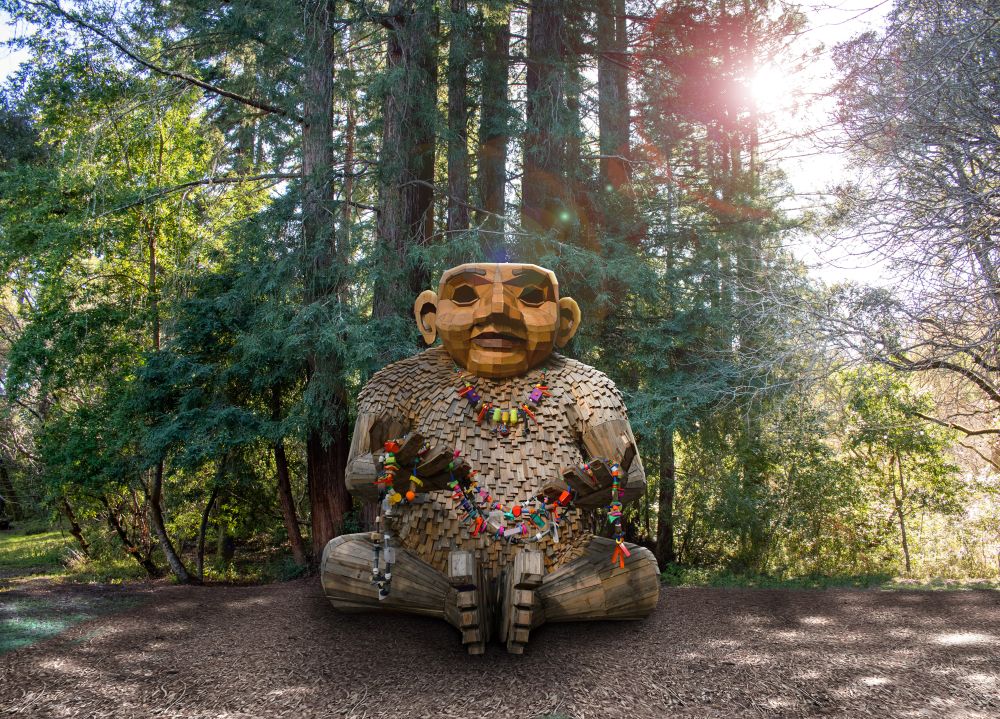
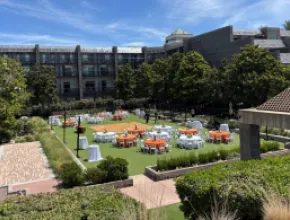
“We sometimes say that our region is like the best little-known destination because people just don’t know what’s here,” she continued, adding that events at the airport hotels boast Bay views and are on the 60-mile Bay Trail for those that want to stretch their legs in the urban 101 corridor.
Just five miles south of the airport is Burlingame, which just welcomed a flagship, three-deck Topgolf facility that’s about a mile from Hyatt Regency San Francisco Airport, which hosted the March Northern California chapter of MPI’s annual ACE industry event.
“The views from each bay overlook the landing path for SFO—it’s stunning and it’s become a huge selling amenity for planners,” Lang said. “They’re like, ‘OK, now there’s something to do here and it’s all walking distance right along the water from those convention hotels.’”
Lang said a recent incentive travel program for 600 top sales managers used the Hyatt as a base and ventured out to the coast to Half Moon Bay for paddleboarding and kayaking in its harbor.
Farther south of Burlingame is the beginning of the Silicon Valley, with a variety of hip boutique hotels ideal for sub-200-room-night meetings. East Palo Alto, for instance, is the home of the 200-room Four Seasons Silicon Valley at East Palo Alto.
Lang added another relatively undiscovered aspect of The Peninsula is its dining scene, with more than 130 restaurants participating in its just-launched 10-day Flavors of the Peninsula culinary event. Due to the area’s thriving immigrant population, Lang said more than 80 culinary traditions are represented in the region.
And if that’s not enough, San Franciso, San Jose and Oakland are all within a 30-minute drive depending on where on the Peninsula one is staying, which is great for an evening event or bleisure option.
San Francisco
Coming off a successful effort hosting the Super Bowl, San Francisco is also riding a wave tied to the explosion of AI companies that have set up headquarters in the city.
[Related: San Francisco Travel CEO Believes the Tide Has Turned]
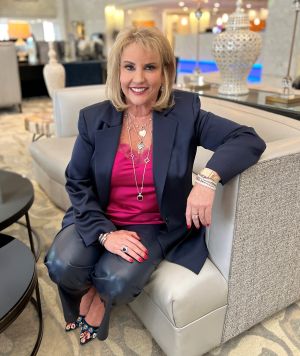
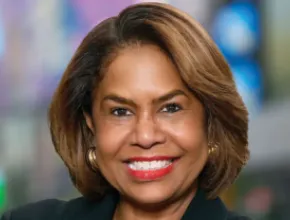
“Conventions and global sporting events continue to drive San Francisco’s tourism economy in 2026, with 37 Moscone Center events on the books,” said Anna Marie Presutti, president and CEO of San Francisco Travel. “What makes this year distinct is that our biggest sporting moments are running in tandem with a strong convention calendar. When FIFA World Cup matches come to the Bay Area this summer, San Francisco will simultaneously host six major conventions at Moscone Center, including Snowflake Summit, Databricks’ Data + AI Summit and Figma’s Config 2026. Business travelers and football fans will be filling the same hotels, dining at the same restaurants and walking the same neighborhoods. That convergence of sports tourism and meetings business is something very few cities in the world can offer."
Sporting events are certainly not the only game in town (or the region, as the case may be). Not by a long shot.
With more than 800 AI startups calling San Francisco home as of late 2025, the City by the Bay is poised to ride the wave of its next Gold Rush and meetings groups are ripe to tap the positive vibes.
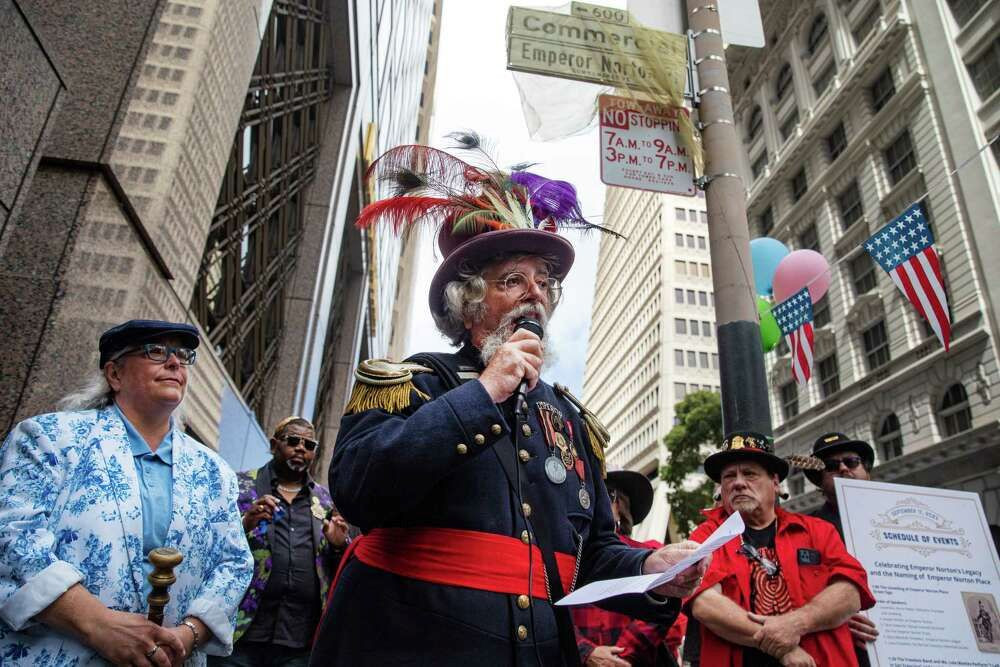
What better way to understand the energy of the new Gold Rush than by consulting with a prominent figure from the original boom, Emperor Norton, a local eccentric who loomed large as a public figure during the original Gold Rush and who is currently portrayed by tour guide and speaker Joseph Amster?
[Related: A Bleisure Tour of San Francisco Bay With Visit California]
For the uninitiated, Emperor Norton arrived in San Francisco at the fevered start of the Gold Rush, 1849. After visiting a local newspaper and declaring himself “First Emperor of the United States and Protector of Mexico,” the paper ran with it and the local populace embraced its newly crowned king, with officers of the U.S. Presidio presenting him with a uniform complete with gold epaulets.
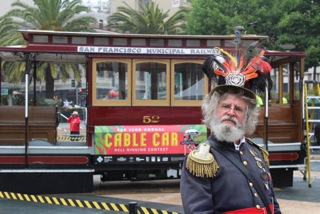
According to Amster, it was good to be king: “He wears a top hat with feathers. Eats for free in restaurants. Gets the best seats in the theater. The police salute him. Businesses want his endorsement. He rides transit for free and even prints his own currency.”
The original Emperor Norton’s reign lasted 21 years, until his death, and still serves as the best example of how San Francisco lovingly embraces eccentrics.
Adopting the Emperor Norton persona, for the last 15 years Amster has run a variety of tours, including custom programs for meeting groups, and also has multiple history-based presentations for groups visiting the city.
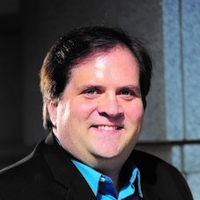
A literal “man about town,” Amster may be one of the best sources on the health of San Francisco’s tourism and meetings economy.
[Related: Dreamforce Defies 'Doom Loop' by Re-Upping San Francisco Show]
“The city’s back, no doubt about that. I really saw it in Chinatown last week, which was packed,” he said. “Do not believe all the things you hear or read about San Francisco. It’s safe. There’s always something to do. You will never be bored in San Francisco. This is just a great town to have a meeting in, and if you’re bringing your spouse, there’ll be plenty for them to do; we’ve got the great restaurants, we have tremendous history and it’s just so beautiful.”
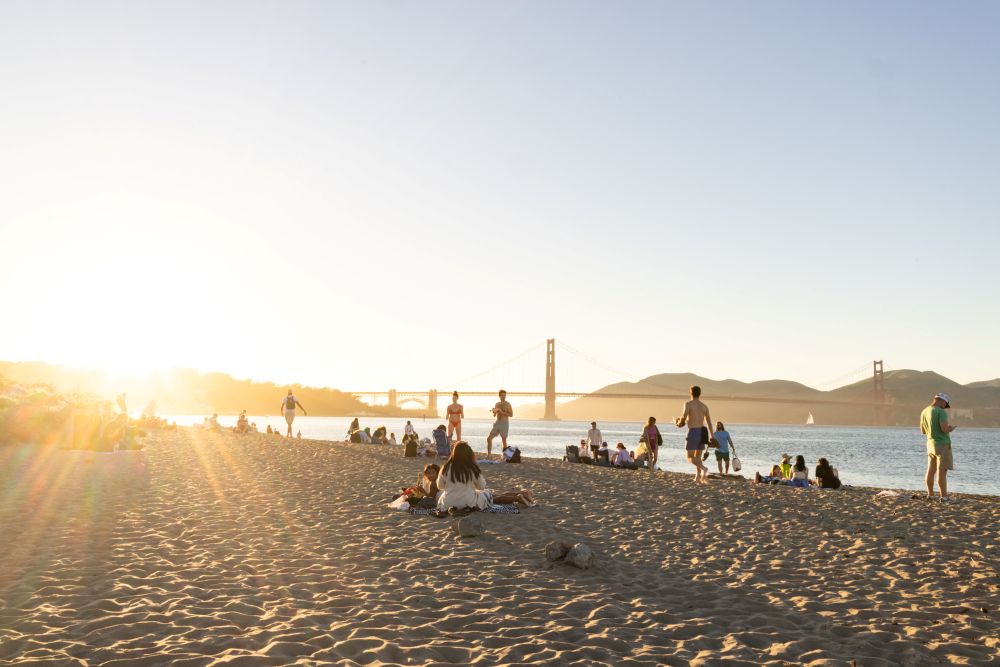
Amster, as Emperor Norton, has taken part in the ongoing Making History Fun Again speaker series at the recently renovated, 372-room The Clift Royal Sonesta San Francisco, which offers 12,500 square feet of meeting space downtown. A popular event option is to hire one or more of the speakers and buy out the historic Redwood Room, featuring an interior composed of the wood from one 2,000-year-old redwood tree harvested in the early 1930s, along with the adjacent Applegarth room.
Another really interesting option is an exclusive new meetings buyout offer from Presidio Lodging, which operates venues in Presidio of San Francisco, a national park within the city featuring jaw-dropping views of the bay, Pacific Ocean, Golden Gate Bridge and beyond.
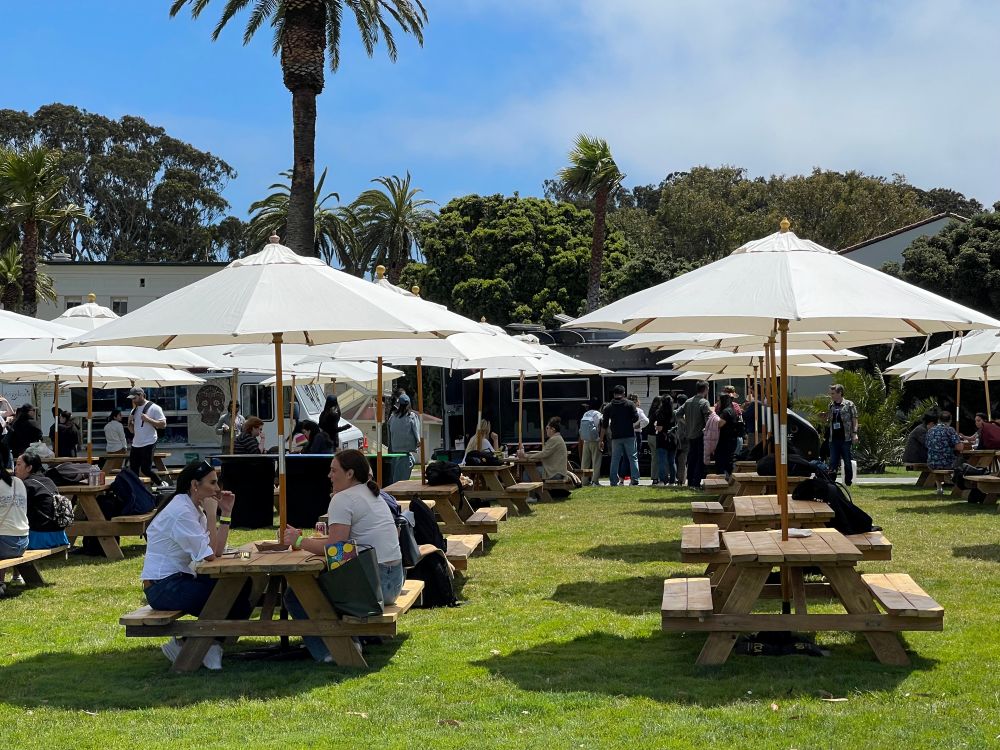
The truly unique offering allows groups of up to 200 to do full-property buyouts at the Lodge at the Presidio and Inn at the Presidio, transforming meetings into private retreats.
Aside from staying at the two LEED Gold-certified hotels, groups also have access to a network of partner venues, including the Golden Gate Club, outdoor lawn venues, the Presidio Officers’ Club, Presidio Bowling Center Presidio Golf Course & Tented Terrace, and The Walt Disney Family Museum, among other venues.
Oakland
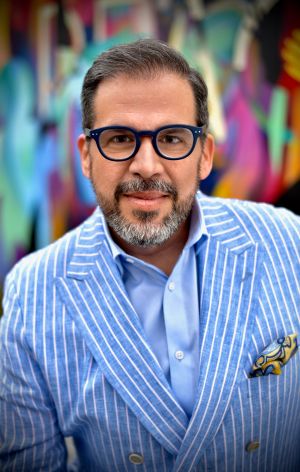
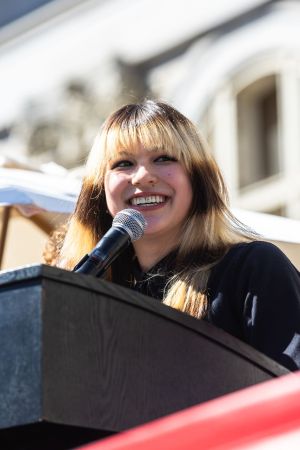
Although often in the shadow of its cross-bay sister San Francisco, Oakland stood at the top of the podium when “Oaktown” native Alysa Liu won figure skating gold at the 2026 Winter Olympics and subsequently sang the praises of her hometown far and wide.
“It’s been written that this is now our golden moment here in Oakland, with Alysa Liu winning the gold medal and that pride brought to our city,” said a proud Peter Gamez, president and CEO of Visit Oakland. “We’re on Good Morning America and The Today Show, and that rally we threw for her put a lot of eyes on Oakland. We’ve had RFP actual data showing that there are more people submitting requests for proposals ever since that rally, year-over-year.
“And then Ryan Coogler wins an Academy Award for Sinners the following week, and prior to the Olympics, we had Kehlani win two Grammys,” he continued.
Visit Oakland is capitalizing on the success of its recently minted stars by adding a Golden Opportunities section to its website.
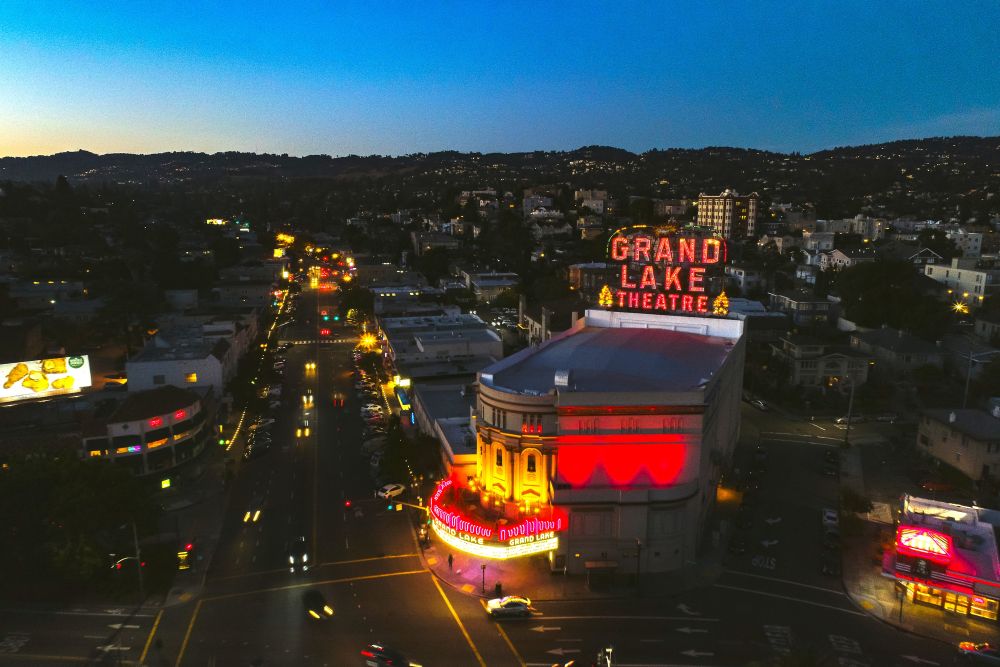
“If a planner wants to go to Oakland Ice Center where Alysa Liu trained, we can do teambuilders there or a corporate networking experience by renting out the rink,” Gamez offered. “Or they can do something at the Fox Theater, where Kehlani went to the Oakland School of the Arts. For Ryan Coogler, we offer the Grand Lake Theater, a 100-year-old theater where he was motivated after attending movies as a kid.
[Related: Diverse and Immersive Event Experiences in Oakland, California]
“I need to put [actress] Zendaya somewhere in this meetings package,” Gamez joked, noting that the Oaklander has won two Emmy Awards for her role in Euphoria.
For a city its size, Oakland certainly has had an outsize impact on arts, politics and culture, which all comes down to the people who got their start there.
“When you start thinking about how you pitch Oakland to the meetings world, you can talk about how we have everything from boutique to grande dame hotels, but I really start off with the people of Oakland and what it’s been,” Gamez said. “This was really the birth of the social justice movement, from the Black Panther Party being based here in the ’60s to migrations that took place from Jim Crow laws that brought people from the South to our Port of Oakland to work. There are 125 languages spoken here. It impacts your meeting experience just because of the culture of the city and the diversity that we bring.”
Gamez highlighted Oakland’s food scene as a major benefit of its cultural diversity, along with chefs that are making a name for themselves throughout the East Bay.
“Our chefs are really being recognized by Michelin and James Beard, and that’s capturing the attention of planners,” he said. “We are now doing cooking classes and taking groups to experience teambuilding through cooking via a company that we’re working with, Kitchen on Fire, and people like to include markets such as Prescott Market in West Oakland pre or post or even during their meeting.”
Other fun meeting options include entertainment from Bandaloop, an aerial acrobatics troupe with a studio in West Oakland, and mural and art gallery tours.
San Jose
Larger in population than San Francisco and nearly four times as large in land area, San Jose is the southern capital of Silicon Valley and is frequently host to large tech meetings such as AI powerhouse NVIDIA’s GTC conference in March.
The city’s DMO, Team San Jose, recently came up with an innovative citywide contract strategy to help facilitate citywide events.
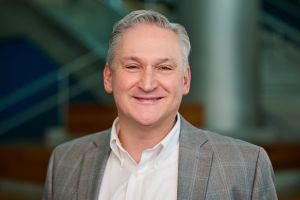
“The biggest challenge San Jose faces when we’re trying to book a citywide group is the amount of hotels that it takes to put together a package—we don’t really have any large hotels,” said Matthew Martinucci, vice president of sales and destination services, Team San Jose. “Five-hundred-fifty rooms is a very midsize hotel across the country and that is the largest that we have. When a group is shopping, they have the option in many cases to go to a city where they can put everybody in one hotel or two at the most. Often, for that group, San Jose needs seven or eight hotels. This is so challenging if you’re the group meeting planner and you’ve got to ask your legal department to look at seven or eight contracts.”
Team San Jose enlisted some of its major-brand meetings hotels, including Marriott and Hilton, to devise a citywide contract that has been endorsed by all of the major properties in the city.
[Related: San Jose’s Emerging Cuisine Scene Plates Well for Meeting Groups]
“It has been kind of a game-changer for us, and there’s a side benefit to the customer,” he said. “[Planners] don’t need to negotiate seven or eight contracts, they only have to do one, and if you’re a Hyatt customer, you get to stay at a Hyatt. If you’re Hilton, you stay at Hilton. If you’re IHG, you can stay there. It’s a real upside for the customer that they can still come to the conference and stay at the brand where they will get their points and maintain their status.”
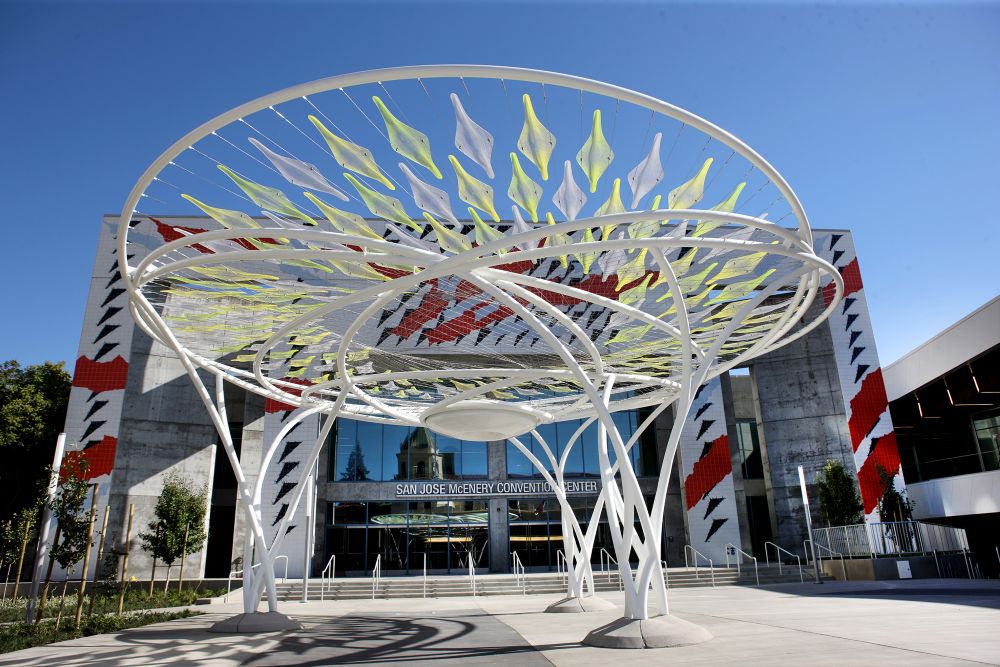
Martinucci said the contracts have a two-page addendum for each hotel that details the room block, group rates, commissions (if applicable) and concessions. The cut-off dates, attrition allowances and cancellation terms are all in the master document.
“I’ve never heard of a city doing this,” he said, “because what’s normal is if you go to a city where you have a handful of, say, Marriott hotels, it’s pretty common to have a Marriott product contract, but not something that has Marriott, Hilton and Hyatt.”
Martinucci said one group of about 1,000 rooms on peak at 14 hotels used the contract and said, “Oh my goodness, how much better is it to sign one contract than do 14 tiny addenda?’”
Connections
The San Francisco Peninsula
San Francisco Travel
Team San Jose
Visit Oakland